















SEO and Digital Marketing
Learn about SEO and digital marketing strategies to improve online visibility, drive traffic, and enhance brand presence.
SEO (Search Engine Optimization) and digital marketing are at the core of any successful online business strategy. In 2024, they continue to evolve with new trends, technologies, and best practices. Understanding how SEO complements digital marketing is vital for driving traffic, building brand authority, and increasing conversions.
Digital marketing uses several online channels to promote products or services, including search engines, social media, email, and content marketing. Conversely, SEO focuses on optimizing your website so it appears higher in search engine results, making it easier for your target audience to find you.
Both are critical to online success; mastering them can significantly improve your business's reach and revenue.
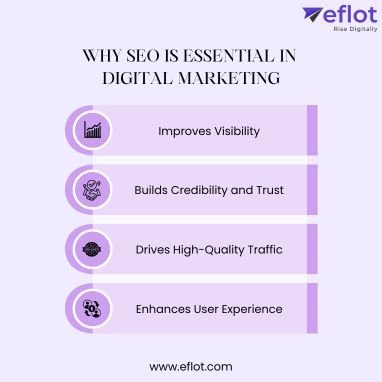
Why SEO is Essential in Digital Marketing
SEO is the backbone of digital marketing. Without proper SEO, digital marketing campaigns may struggle to reach their target audience. Why is SEO so crucial? Here are the key reasons:
-
Improves Visibility: When people search for products or services, they rarely go past the first page of search results. Effective SEO gets your website ranked higher.
-
Builds Credibility and Trust: Websites that rank high on Google are often considered more trustworthy.
-
Drives High-Quality Traffic: SEO helps attract users actively searching for what you offer.
-
Enhances User Experience: SEO requires optimizing website speed, mobile-friendliness, and content quality, all of which improve the user experience.
In digital marketing, SEO is the foundation upon which successful campaigns are built. Whether through content marketing, paid ads, or social media efforts, SEO ensures that your online presence is visible to the right audience.
On-Page SEO Techniques
On-page SEO refers to the optimization strategies implemented directly on your website. These techniques help search engines understand your content and rank it accordingly. On-page SEO ensures that each page of your site is well-optimized for its target keywords and is structured to deliver an excellent user experience.
H1 Optimization
Your H1 tag is one of the most important signals to search engines. It's the main title of a page, and it must include your primary keyword. Search engines give more weight to this tag than others, so it should reflect the page's core topic.
Keyword Placement
Keywords should appear naturally within your content. Overstuffing keywords can lead to penalties from search engines. Instead, focus on strategically placing your keywords in:
-
Title tags
-
Meta descriptions
-
H1 and H2 headers
-
Throughout the body text
Use variations of your keywords to maintain a natural flow while ensuring that your content is comprehensive and relevant.
Off-Page SEO: Building Authority
Off-page SEO involves tactics that occur outside of your website but still affect your rankings. It's primarily about building your website's authority and reputation through quality backlinks and mentions on other websites.
Backlink Strategies
Backlinks are one of the most powerful ranking factors in SEO. They are essentially "votes of confidence" from other websites that signal to search engines your site's authority. However, not all backlinks are created equal. Here are a few key strategies for building high-quality backlinks:
-
Outreach: Reaching out to bloggers, influencers, and other websites in your niche to ask for links to your content.
-
Guest Posting: Writing articles for other websites in your niche and including a link back to your site.
-
Broken Link Building: Finding broken links on other websites and suggesting your content as a replacement.
Guest Posting
Guest posting on reputable websites within your industry not only provides valuable backlinks but also helps build your brand's authority. When writing guest posts, focus on delivering high-quality, informative content that genuinely adds value to the host site’s audience.
Technical SEO for 2024
Technical SEO deals with improving the technical aspects of a website to enhance its crawling and indexing by search engines. In 2024, certain technical aspects will play a pivotal role in your SEO success.
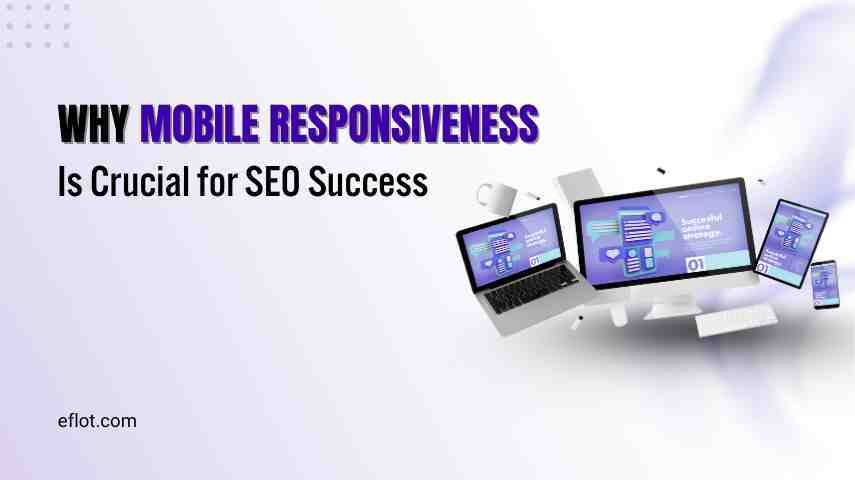
Mobile Optimization
Mobile-first indexing means Google predominantly uses the mobile version of your content for indexing and ranking. Ensure that your site is responsive and provides a seamless experience across all devices. Key mobile optimization factors include:
-
Fast load times
-
Easy navigation
-
Readable text without zooming
Page Speed
Page speed continues to be a critical ranking factor. A slow-loading site not only frustrates users but also leads to lower rankings. Improve your site speed by:
-
Compressing images
-
Using browser caching
-
Minimizing JavaScript and CSS
Local SEO for Business Growth
Local SEO helps businesses attract nearby customers. It’s especially important for small businesses that rely on foot traffic or operate within a specific geographic area. Optimizing for local search ensures your business appears when people search for products or services near them.
Here are a few local SEO tactics to boost your business:
-
Google My Business: Claim and optimize your Google My Business listing. This helps your business appear in local search results and Google Maps.
-
Local Keywords: Incorporate local keywords such as your city or region in your content and meta tags.
-
NAP Consistency: Ensure your business name, address, and phone number (NAP) are consistent across all online directories.
Content Marketing in Digital Strategy
Content marketing remains one of the most effective ways to engage your audience and drive traffic. High-quality content builds trust, educates your audience, and encourages sharing. Here are some content marketing tactics that should be part of your digital strategy in 2024.
Blog Content
A blog is an excellent way to provide valuable information to your audience. Focus on creating long-form, in-depth content that covers relevant topics in your industry. Blog content helps build trust with your audience, improve search rankings, and drive traffic.
Video Marketing
Videos have become a preferred content format for users. They are engaging, easy to consume, and shareable. Here’s how you can incorporate video into your content strategy:
-
Product Demos: Showcase your product’s features and benefits.
-
Tutorials: Create how-to videos that provide value to your audience.
-
Testimonials: Feature real customers discussing their positive experiences.
Social Media’s Role in Digital Marketing
Social media platforms like Facebook, Instagram, and LinkedIn play a significant role in digital marketing. They provide a space where you can connect with your audience, promote content, and drive traffic to your website. Effective social media strategies include:
-
Regular posting of engaging content
-
Interaction with followers
-
Using paid ads to expand your reach
Measuring SEO Success with Analytics
SEO is an ongoing process, and measuring its effectiveness is crucial. Analytics tools such as Google Analytics and Google Search Console provide valuable insights into your website’s performance. Here’s how to measure your SEO success:
-
Traffic: Monitor organic traffic growth to see how well your SEO strategies are performing.
-
Keyword Rankings: Keep track of how your target keywords are ranking over time.
-
Bounce Rate: A high bounce rate may indicate poor user experience or irrelevant content.
-
Conversion Rate: Track the percentage of visitors who complete desired actions, such as making a purchase or filling out a form.
FAQs
1. What is SEO in digital marketing?
SEO in digital marketing refers to optimizing a website to rank higher in search engine results pages (SERPs) and drive organic traffic to the site.
2. How does content marketing help with SEO?
Content marketing helps with SEO by providing valuable, keyword-rich content that can attract backlinks, improve rankings, and engage users.
3. What are backlinks, and why are they important?
Backlinks are links from other websites to your site. They are important because they signal to search engines that your website is reputable and valuable, helping improve your rankings.
4. How do I optimize my website for local SEO?
To optimize for local SEO, focus on creating a Google My Business listing, using local keywords, and ensuring your NAP information is consistent across all directories.
5. Why is page speed important for SEO?
Page speed is a ranking factor in SEO because fast-loading websites provide a better user experience and are favored by search engines.
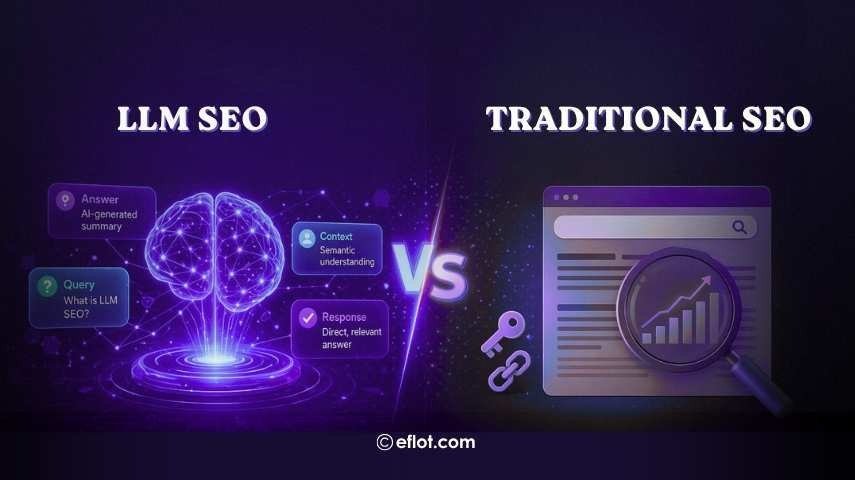
SEO and digital marketing are constantly evolving. Staying updated with the latest trends and best practices is essential for maintaining a competitive edge. In 2024, expect to see even more focus on user experience, mobile optimization, and AI-driven search algorithms.
Investing in a solid SEO and digital marketing strategy today ensures long-term success for your business. As search engines become more sophisticated, so too must your approach to staying visible, relevant, and authoritative in the online space.
Digital Marketing services in Other Locations in India
Bangalore | Hyderabad | Chennai | Pune | Ahmedabad | Coimbatore | Mumbai | Kolkata | Patna | Amritsar | Indore | Kozhikode | Trivandrum | Jaipur | Nagpur | Gwalior | Dehradun | Noida | Vizag | Raipur | Agra | Gurgaon | Madurai | Udaipur | Thrissur |