






















What Are Backlinks? A Beginner’s Guide to SEO Growth
Learn what are backlinks, how they impact SEO, and effective strategies to improve your website's search engine ranking using backlinks.
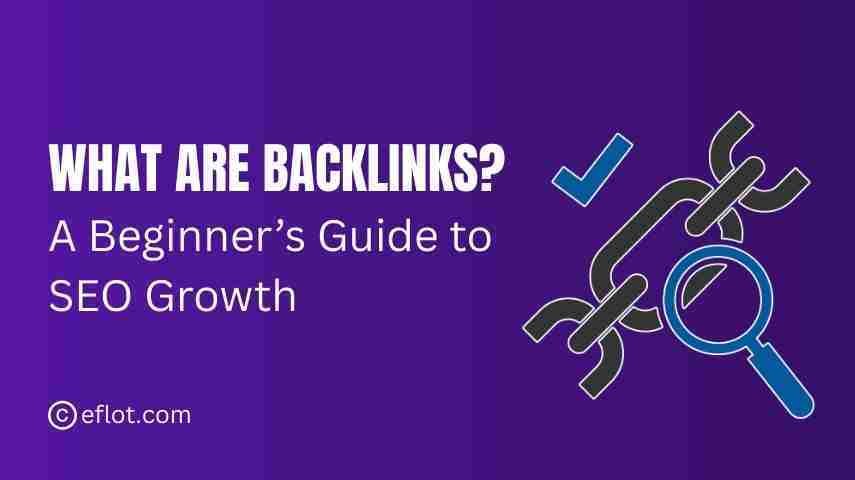
Backlinks, also known as "inbound" or "incoming" links, are hyperlinks from one website to another. They are a crucial factor in determining a website's credibility, authority, and ranking on search engines like Google. In simple terms, when one site links to another, it signals to search engines that the content on the linked page is valuable, trustworthy, and worthy of citation.
Imagine backlinks as digital referrals. Just like in real life, a recommendation from a credible source holds weight, and the same applies in the online world. Quality backlinks are an essential component of any effective SEO (Search Engine Optimization) strategy. But not all backlinks are created equal, and understanding how to harness their power can make or break your online presence.
Types of Backlinks
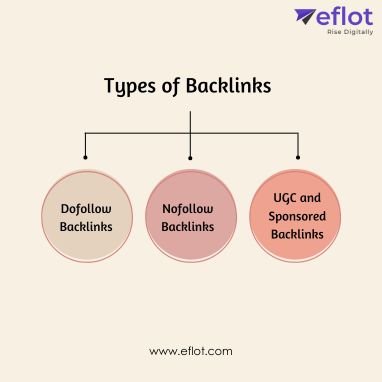
Not all backlinks have the same impact on your website's SEO. There are various types of backlinks, and understanding these distinctions is key to crafting a successful link-building strategy.
1. Dofollow Backlinks
A do-follow backlink is the most powerful type of link. It passes on what is called “link juice” or ranking power from the originating site to the linked site. When a site with high domain authority links to your content via a do-follow link, your site's SEO benefits by gaining authority and trust from the search engines.
Example: A reputable news site linking to your blog post as a source of information would be a high-quality do-follow backlink.
2. Nofollow Backlinks
Nofollow backlinks are links that do not pass on SEO authority or ranking power. They are marked with a rel="nofollow" attribute in the HTML code, signaling to search engines that they should not influence the ranking of the linked page. Nofollow links are commonly used in blog comments, forum posts, or paid advertisements.
Example: A nofollow link from a social media platform or blog comment section.
3. UGC and Sponsored Backlinks
Google introduced two additional link attributes to distinguish between different kinds of nofollow links:
-
UGC (User-Generated Content): This tag is used for links in user-generated content such as comments and forum posts.
-
Sponsored: This tag is for links that are part of advertisements or sponsorships.
Both types are intended to provide more context for search engines regarding the nature of the link, though they function similarly to nofollow links.
Why Are Backlinks Important for SEO?
Backlinks are critical for SEO because search engines, particularly Google, view them as votes of confidence for a website's authority and content quality. Websites with more high-quality backlinks tend to rank higher in search results, leading to more organic traffic.
Here are a few key reasons backlinks are essential:
-
Increased Organic Ranking: High-quality backlinks can improve your site's search engine ranking. Pages with a lot of backlinks tend to rank higher in Google search results.
-
Faster Indexing: Search engines find new pages faster when they are linked to authoritative websites. Backlinks help your content get discovered quicker by web crawlers.
-
Referral Traffic: Backlinks drive traffic from other websites, bringing in new visitors and potential customers.
-
Domain Authority Boost: A strong backlink profile enhances your domain authority, which is crucial for long-term SEO success.
How Search Engines Evaluate Backlinks
Search engines don’t just count the number of backlinks a website has; they also assess the quality of those backlinks. Here are the factors that search engines consider when evaluating the value of a backlink:
-
Domain Authority
The Domain Authority (DA) of the linking site is critical. A backlink from a well-established, authoritative website (e.g., a government or educational site) is far more valuable than a link from a small, low-traffic blog.
-
Relevance
Relevance plays a major role in backlink evaluation. Search engines analyze whether the content of the linking site is related to your website’s content. For example, if you run a fitness blog, getting a backlink from a health or fitness-related site is more valuable than a link from an unrelated industry.
-
Anchor Text
The anchor text used in the backlink matters. Anchor text is the clickable text of a link, and it should be relevant to the content on the linked page. For example, a link with the anchor text “best SEO practices” is more beneficial if it points to an article about SEO.
-
Link Placement
Where a link appears on a page can impact its value. Links embedded within the body of an article, where they are relevant and part of the content, carry more weight than links in sidebars or footers.
Strategies to Build Quality Backlinks
Building a strong backlink profile requires a deliberate and sustained effort. Below are some of the most effective SEO strategies for generating high-quality backlinks:
-
Content Creation
Creating valuable, high-quality content is the most organic way to attract backlinks. When your content is insightful, informative, and unique, other websites are more likely to link to it as a reference.
-
Guest Blogging
Guest blogging is a tried-and-true method for building backlinks. By contributing posts to other blogs in your industry, you can often include links back to your website, gaining both visibility and authority.
-
Influencer Outreach
Reaching out to influencers and thought leaders in your niche is another effective strategy. When influencers mention your content or website in their blogs or social media posts, it can lead to valuable backlinks from trusted sources.
-
Broken Link Building
In broken link building, you find broken links on websites in your niche, inform the site owner, and offer your content as a replacement. This benefits the website owner and earns you a valuable backlink.
-
Directory Submissions
Submitting your website to reputable online directories can help generate backlinks. Be cautious, though, as only high-quality, niche-specific directories are beneficial for SEO.
Common Mistakes to Avoid in Backlink Building
While backlinks are powerful, building them the wrong way can lead to penalties and damage your SEO. Avoid these common mistakes:
-
Buying Links: Purchasing backlinks is against Google’s guidelines and can result in penalties.
-
Low-Quality Link Farms: Avoid obtaining backlinks from spammy or irrelevant websites, as they can harm your SEO.
-
Ignoring Relevance: Backlinks from irrelevant or unrelated websites won’t help your SEO efforts.
-
Overusing Exact Match Anchor Text: Using the same anchor text repeatedly can appear unnatural and may be penalized by search engines.
FAQs About Backlinks
1. What is the difference between internal and external backlinks?
Internal links are links that point to pages within the same website, while external backlinks are links from one website to another.
2. How many backlinks do I need to rank on Google?
There is no specific number of backlinks needed to rank. Quality, relevance, and the authority of the linking sites are more important than quantity.
3. Can nofollow links help with SEO?
While nofollow links don’t directly pass ranking authority, they can still drive referral traffic and help with brand visibility.
4. How can I check my backlinks?
You can use tools like Ahrefs, SEMrush, or Google Search Console to analyze your backlink profile.
Backlinks are a cornerstone of a strong SEO strategy. By understanding the different types of backlinks, how search engines evaluate them, and the best practices for building high-quality links, you can significantly improve your website’s search engine rankings and online visibility. Focus on creating valuable content, engaging in ethical link-building strategies, and avoiding common pitfalls to ensure long-term SEO success.
Digital Marketing services in Other Locations in India
Bangalore | Hyderabad | Chennai | Pune | Ahmedabad | Coimbatore | Mumbai | Kolkata | Patna | Amritsar | Indore | Kozhikode | Trivandrum | Jaipur | Nagpur | Gwalior | Dehradun | Noida | Vizag | Raipur | Agra | Gurgaon | Madurai | Udaipur | Thrissur |