















What is Email Marketing?
Learn about email marketing, its benefits, key strategies, and how businesses use it to engage customers and drive conversions.
In the digital age, businesses face an overwhelming number of marketing channels. Social media, paid ads, SEO, and content creation dominate the scene. Yet, one channel has consistently proven its value: email marketing. Despite the rise of new platforms, email marketing remains one of the most effective ways to reach and engage customers. But what is email marketing exactly? Why does it remain so powerful?
Email marketing refers to using email to promote products or services, build relationships with customers, or communicate information. It involves sending messages to a group of people via email to achieve specific marketing goals, such as driving sales, building brand loyalty, or nurturing leads.
Unlike other marketing channels, email marketing allows direct communication with an audience that has already shown interest in your brand. These customers or leads have willingly signed up to hear from you. As a result, email marketing tends to deliver higher engagement rates than social media posts or paid advertisements.
Key Components of Email Marketing
For a successful email marketing campaign, certain key components are essential. These elements ensure that the messages resonate with the audience and deliver tangible results.
1. The Email List
Your email list is a database of customers or leads who have subscribed to receive communications from your business. Without a well-maintained email list, an email marketing campaign cannot exist. Building a strong, high-quality list is crucial to any email marketing effort.
2. Email Content
Compelling content is the backbone of any successful email campaign. It includes subject lines, body text, images, and call-to-action buttons. The email must capture attention and deliver value, whether it's an exclusive offer, helpful advice, or exciting news.
3. Email Design
An aesthetically pleasing design makes a big difference. The email design should be mobile-friendly, visually engaging, and aligned with your brand's style. A clear structure allows for easy readability, and visual elements such as images, videos, and buttons enhance user experience.
4. Call-to-Action (CTA)
A call-to-action is an essential part of your email content. This element encourages the recipient to take a specific action, such as clicking a link, signing up for an event, or making a purchase. Clear and compelling CTAs significantly increase conversion rates.
5. Timing and Frequency
Knowing when and how often to send emails is crucial to maintaining a healthy relationship with your subscribers. Too many emails can overwhelm, leading to high unsubscribe rates. Too few may cause your audience to forget about your brand. Finding the perfect balance is key.
How Email Marketing Works
Email marketing works by delivering tailored messages directly to a user’s inbox. The process begins with collecting emails via signup forms or lead generation tools. Once you have an email list, marketing campaigns can be built around specific goals.
For example, a brand might send out promotional emails to drive sales, informational newsletters to keep their audience informed, or follow-up emails to encourage engagement. Each email can be customized based on the subscriber’s behavior, preferences, and purchase history to increase the relevance of the message.
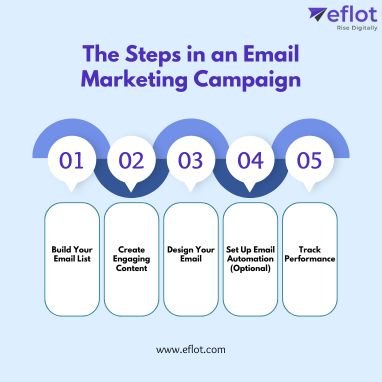
The Steps in an Email Marketing Campaign:
-
Build Your Email List: Start by gathering email addresses from interested customers. You can use sign-up forms on your website, social media, or during in-store purchases.
-
Create Engaging Content: Whether it’s a promotional offer, company update, or educational material, ensure the email content is valuable and relevant.
-
Design Your Email: Make the email visually appealing. Include images, a catchy subject line, and a clear call to action.
-
Set Up Email Automation (Optional): Many email marketing platforms allow you to automate messages based on triggers like user behavior or specific dates (e.g., birthday discounts).
-
Track Performance: Use analytics to measure the success of your campaigns, monitoring open rates, click-through rates, and conversions.
Benefits of Email Marketing
Email marketing offers several distinct advantages compared to other marketing methods. Here’s why it remains a dominant marketing strategy:
1. Cost-Effective
Email marketing is incredibly affordable. It has a high return on investment (ROI), allowing businesses to communicate with thousands of customers for a fraction of the cost of traditional marketing channels.
2. Personalization
Email marketing allows for highly personalized content. By segmenting your audience based on factors like past purchases, demographics, or behaviors, you can send customized emails tailored to each group.
3. High Engagement
Because email marketing reaches people directly in their inboxes, it tends to have higher engagement rates. When done right, emails can capture attention and encourage direct responses or actions.
4. Measurable Results
With tools that track open rates, click-through rates, and conversions, email marketing offers clear, measurable results. This data helps marketers adjust their strategies for continuous improvement.
5. Customer Retention
Staying connected with your audience through regular email updates helps maintain loyalty. Engaging emails that provide value or exclusive offers strengthens your relationship with subscribers, increasing customer retention.
Types of Email Marketing Campaigns
Email marketing campaigns can serve many purposes. Below are some common types of campaigns:
1. Welcome Emails
Sent to new subscribers, these emails introduce your brand, outline what they can expect, and often include a special offer.
2. Promotional Emails
Promotional emails aim to drive sales by offering discounts, deals, or exclusive promotions. These emails have a clear focus on conversion.
3. Newsletter Emails
Newsletters are periodic emails that share company updates, news, or blog posts. They help maintain regular contact with subscribers.
4. Re-engagement Emails
Re-engagement emails target inactive subscribers, attempting to reignite interest in your brand through incentives or reminders.
5. Abandoned Cart Emails
These emails remind users who left items in their cart to complete their purchase. They often include incentives like free shipping or discounts to encourage the purchase.
Building an Email List
An effective email marketing strategy starts with building a high-quality list of subscribers. Here’s how you can build your email list:
1. Offer Value
People won’t hand over their email addresses unless they get something in return. Whether it’s exclusive content, discounts, or access to special events, make sure your offer is compelling.
2. Use Signup Forms
Incorporate signup forms on your website, blog, or social media platforms. Ensure the forms are easy to find and fill out.
3. Leverage Social Media
Use your social media presence to encourage people to join your email list. Direct followers to your signup forms or offer a special reward for signing up.
4. Host Webinars or Giveaways
Webinars, contests, or giveaways are excellent ways to capture email addresses. People are more likely to sign up if they stand to gain something of value.
Email Marketing Strategies
The success of your email marketing depends heavily on your strategy. Here are some effective email marketing strategies to consider:
1. Segmentation
Segment your email list based on specific criteria such as behavior, interests, or purchase history. This allows you to send more relevant and personalized content.
2. A/B Testing
Test different variations of your email to see what resonates best with your audience. Using an AI tool to generate email variations can simplify this process by instantly creating different subject lines, tones, content, and CTAs, helping you identify which version performs best.
3. Automation
Use automation tools to send pre-set emails based on user actions. This could include welcome emails, birthday emails, or follow-ups after a purchase.
4. Content Marketing Integration
Incorporate your email marketing efforts with your broader content marketing strategy. Share blog posts, videos, or whitepapers through your emails to drive traffic and engagement.
Best Practices for Effective Email Marketing
1. Keep it Simple
Don’t overwhelm your audience with too much information. Keep your emails clear, concise, and focused on one main goal.
2. Optimize for Mobile
Most users check their emails on mobile devices. Make sure your email design is mobile-friendly to prevent losing engagement from mobile users.
3. Craft Catchy Subject Lines
Your subject line determines whether someone will open your email. Make it intriguing, yet relevant, to encourage higher open rates.
4. Include a Strong CTA
Always include a clear and compelling call to action. This could be a button that links to your website, product, or landing page.
Common Mistakes to Avoid
1. Ignoring Unsubscribes
If people want to unsubscribe, let them. Forcing them to stay will only hurt your brand in the long run.
2. Neglecting Personalization
Personalized emails outperform generic ones. Use your audience’s names, preferences, and past behavior to tailor your messages.
3. Sending Too Many Emails
Bombarding your subscribers with emails can lead to high unsubscribe rates. Ensure your email frequency matches your audience's expectations.
Tools for Email Marketing
Several tools help streamline the email marketing process. Popular platforms include:
-
Mailchimp
-
Constant Contact
-
Sendinblue
-
ActiveCampaign
These tools offer email automation, list segmentation, and analytics to optimize your campaigns.
Email marketing remains a powerful tool for building relationships, driving sales, and increasing customer loyalty. With a solid strategy, engaging content, and proper segmentation, businesses can unlock the full potential of this timeless marketing channel. Whether you’re looking to grow your brand or increase conversions, email marketing is a proven method that can deliver exceptional results.
Digital Marketing services in Other Locations in India
Bangalore | Hyderabad | Chennai | Pune | Ahmedabad | Coimbatore | Mumbai | Kolkata | Patna | Amritsar | Indore | Kozhikode | Trivandrum | Jaipur | Nagpur | Gwalior | Dehradun | Noida | Vizag | Raipur | Agra | Gurgaon | Madurai | Udaipur | Thrissur |