







Why Influencer Marketing Is the Future of Advertising
Explore why influencer marketing is shaping the future of advertising, with insights on trends, engagement, and audience connections.
Tired of Ads That Don’t Work Anymore?
You invest in ads.
You post regularly.
But the results don’t match the effort.
It’s not about visibility, it’s about trust.
Audiences no longer believe polished brand messages.
They rely on real voices they connect with.
That’s where influencer marketing comes in.
It bridges the gap between brands and people through authentic recommendations.
When someone trusted talks about a product, it feels personal, not promotional.
And that’s what drives attention, interest, and action.
Influencer marketing isn’t just another trend.
It’s how modern consumers decide what’s worth their time.
What is Influencer Marketing?
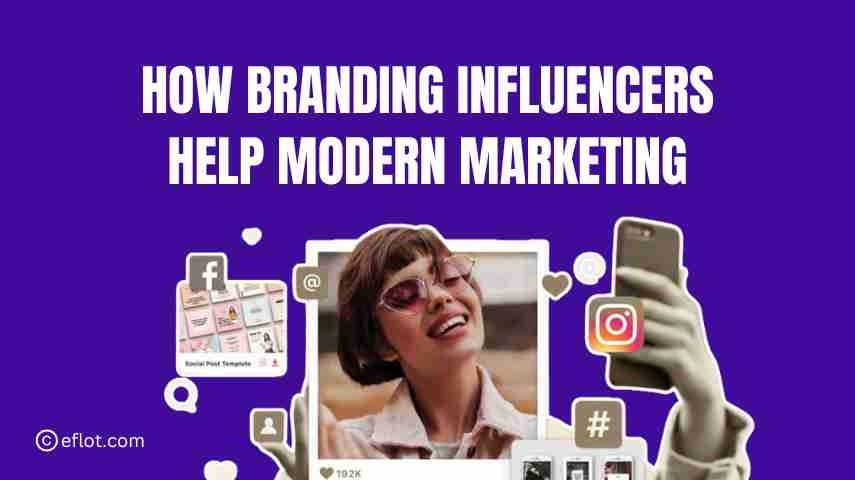
Influencer marketing involves partnering with individuals who have a significant online following and can impact their audience's purchasing decisions. These individuals, called influencers, leverage their trust and credibility to promote products or services.
Key Points:
-
Influencers operate on platforms like Instagram, YouTube, TikTok, and Twitter.
-
Their endorsements often feel authentic and relatable, resonating more with consumers compared to traditional ads.
The Rise of Influencers
With the proliferation of social media, consumers are increasingly turning to online personalities for product recommendations. The rise of influencers can be attributed to:
-
The democratization of content creation, allows everyday individuals to grow substantial followings.
-
The growing distrust of traditional advertising, as audiences prefer genuine opinions over polished campaigns.
-
Increased engagement on social media platforms, where people spend significant time interacting with their favorite creators.
Benefits of Influencer Marketing
Businesses are investing heavily in influencer marketing because it offers unique advantages over traditional advertising. Let’s see the Benefits of Influencer Marketing:
a. Authenticity and Trust
Consumers trust influencers because they see them as peers, not salespeople. Their recommendations feel more genuine, leading to higher engagement and conversions.
b. Targeted Reach
Influencers cater to niche audiences, allowing brands to connect directly with specific demographics and interests.
c. High ROI (Return on Investment)
Studies show that influencer marketing often delivers a significantly higher ROI compared to traditional advertising channels.
d. Social Proof
When influencers endorse a product, it provides social proof, making consumers more likely to follow suit.
The Shift in Consumer Behavior
Today’s consumers prioritize:
-
Personalized experiences: They respond better to tailored messaging, which influencers excel at delivering.
-
Peer recommendations: word-of-mouth and social proof drive purchasing decisions more than generic ads.
-
Visual storytelling: Influencers use engaging visuals and stories to showcase products in a relatable context.
The Role of Technology
Advancements in technology have amplified the impact of influencer marketing. Tools such as:
-
Analytics platforms help measure the success of campaigns and track engagement metrics.
-
AI-powered tools assist in identifying the right influencers for specific campaigns based on audience overlap, engagement, and relevance.
-
Augmented reality (AR) enables interactive experiences like virtual product trials, further engaging followers.
Emerging Trends in Influencer Marketing
Influencer marketing is continually evolving. Some of the latest trends include:
a. Nano and Micro-Influencers
Smaller influencers often have higher engagement rates and stronger connections with their audience. Brands are increasingly collaborating with them for cost-effective campaigns.
b. Long-Term Partnerships
Instead of one-off collaborations, brands are building long-term relationships with influencers to maintain consistency and build credibility.
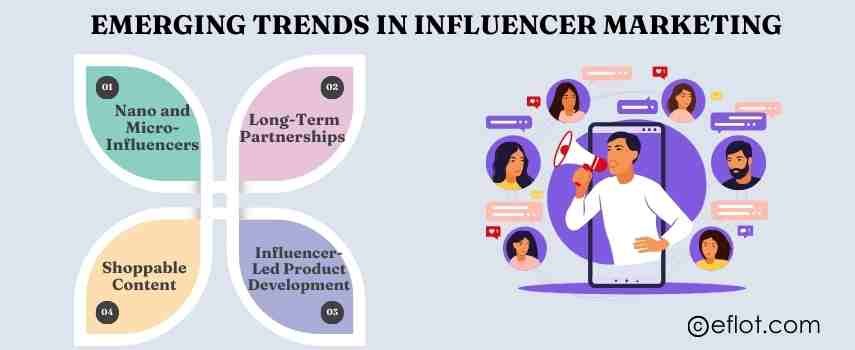
c. Influencer-Led Product Development
Some brands are co-creating products with influencers to leverage their audience insights and market influence.
d. Shoppable Content
Platforms now offer tools that allow influencers to directly link products in their posts, making it easier for followers to purchase items.
Challenges in Influencer Marketing
While it’s a powerful strategy, influencer marketing isn’t without its challenges.
-
Fake Followers: Some influencers inflate their following with fake accounts, which can mislead brands.
-
Saturation: Overexposure of products can lead to a loss of authenticity.
-
FTC Regulations: Ensuring compliance with disclosure guidelines (e.g., #ad, #sponsored) is crucial to maintaining transparency.
Future Outlook
The future of influencer marketing is bright, as it continues to adapt to changing consumer preferences and technological advancements. PredictionsFv include:
-
Integration with the Metaverse: Influencers will play a significant role in promoting products in virtual spaces.
-
Growth in Video Content: Platforms like TikTok and YouTube will remain dominant for influencer campaigns.
-
AI Influencers: Virtual influencers, powered by AI, are emerging as a novel way to engage audiences.
How Brands Can Succeed with Influencer Marketing
To maximize the potential of influencer marketing, businesses should:
-
Identify the Right Influencers: Look for authentic engagement rather than just a large following.
-
Set Clear Goals: Define what success looks like—whether it’s brand awareness, website traffic, or sales.
-
Measure Performance: Use analytics to track the impact of campaigns and optimize strategies.
-
Build Authentic Relationships: Foster genuine partnerships with influencers to ensure consistent messaging.
How Top Brands Are Winning Through Influencer Marketing?
CoverGirl’s Comeback with Creator Partnerships
The Challenge:
CoverGirl, once famous for its “Easy, breezy, beautiful” line, saw its sales drop as beauty trends shifted and younger audiences turned to newer brands.
The Move:
Under Coty’s CEO Sue Nabi, the brand made a bold shift.
It launched TikTok content studios in New York and Miami, spaces built for influencer collaboration.
Creators like Karen Sarahi Gonzalez (Iluvsarahi) and Lexie Learmann led the way, while micro- and nano-influencers filled the feed with real, everyday looks.
No glossy commercials, just honest, relatable content that people could connect with.
The Result:
The outcome spoke volumes.
CoverGirl’s market share stabilized while competitors fell behind.
The brand also saw renewed momentum on Amazon, driving its comeback among younger shoppers.
CoverGirl proved that staying relevant isn’t about louder ads, it’s about real voices creating real conversations.
Sol de Janeiro’s Viral Moment on TikTok
The Challenge:
Sol de Janeiro wanted the world to know its signature scents, Cheirosa 68 and Cheirosa 62.
But standing out in a crowded beauty market is tough.
The Move:
Instead of relying on one big campaign, the brand turned to influencer communities, over 6,000 creators, to be exact.
Each shared short, engaging TikTok videos showing their favorite sprays, focusing on scent, packaging, and how these perfumes fit everyday life.
The content didn’t feel like marketing.
It felt like genuine excitement, and that’s what made it viral.
The Result:
The numbers were massive.
Over 850 million views on TikTok.
Sales tripled, crossing $1 billion in revenue.
The brand’s fragrances became instant bestsellers, with users calling them affordable, fresh, and uniquely memorable.
Sol de Janeiro turned everyday creators into its strongest brand ambassadors, and turned authenticity into global recognition.
Influencer marketing is more than just a trend; it’s a transformation in how brands connect with consumers. Its ability to merge authenticity, targeted reach, and technological innovation makes it a vital component of modern advertising strategies. As consumers continue to prioritize trust and relatability, influencer marketing will remain at the forefront of the advertising world, reshaping the way brands communicate and engage with their audiences.
Digital Marketing services in Other Locations in India
Bangalore | Hyderabad | Chennai | Pune | Ahmedabad | Coimbatore | Mumbai | Kolkata | Patna | Amritsar | Indore | Kozhikode | Trivandrum | Jaipur | Nagpur | Gwalior | Dehradun | Noida | Vizag | Raipur | Agra | Gurgaon | Madurai | Udaipur | Thrissur |