






















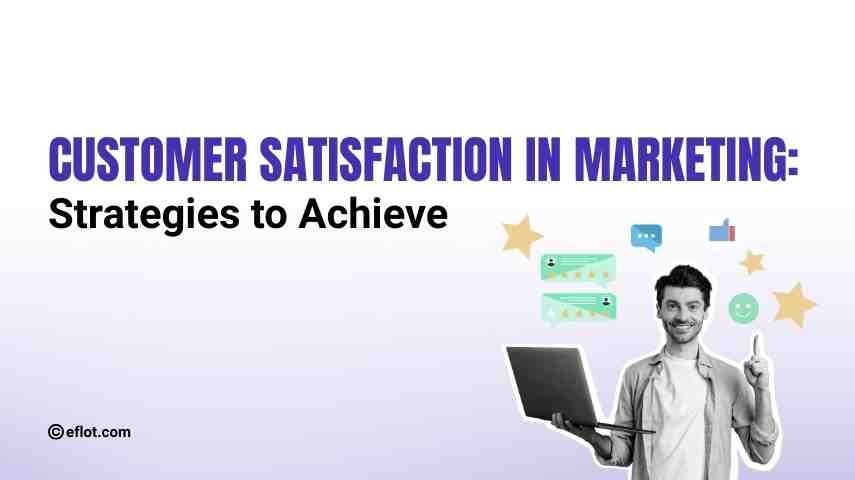
Customer Satisfaction in Marketing: Strategies to Achieve
Customer satisfaction depends on honest marketing, clear messaging, and real value. Brands that connect well with customers build trust and long-term growth.
Losing Customers Even With Great Products?
You may have an excellent product or service, but customers' mindset and preferences according to the trends are unpredictable. The reason often isn’t Quality, it’s how your brand connects with them.
Marketing isn’t just about attracting buyers; it’s about keeping them happy. Customer satisfaction determines loyalty, repeat business, and referrals.
Why Customer Satisfaction Is Crucial for Business Growth
Customer satisfaction is the backbone of growth. Happy customers buy more, share their experiences, and recommend your brand.
-
Repeat business comes naturally when customers feel valued.
-
Positive experiences reduce complaints and negative reviews.
-
Satisfied customers become advocates, spreading word-of-mouth marketing.
Without customer satisfaction, even high-quality products struggle to maintain revenue and brand strength.
How Marketing Influences Customer Satisfaction
Marketing shapes customer expectations. The way you communicate, deliver, and support users impacts how satisfied they feel. When marketing aligns with the real experience, customers feel confident, valued, and understood.
Key Ways Marketing Affects Satisfaction
-
Clear Messaging Creates Trust: When ads, website content, and sales messages are clear, customers know what to expect. Confusion leads to disappointment. Simple and honest messaging reduces frustration and builds confidence from the start.
-
Consistency Across All Channels: Customers interact with your brand on websites, emails, ads, and social media. When the tone, message, and offers remain consistent, customers feel secure. Mixed messages create doubt and reduce satisfaction.
-
Education Helps Customers Succeed: Marketing is not only promotion. Helpful content such as guides, FAQs, videos, and tutorials makes it easier for customers to use the product or service. When customers understand how to use what they buy, satisfaction increases.
-
Customer-Centered Campaigns Matter: Marketing that focuses only on sales often ignores real customer needs. Campaigns that speak to problems, pain points, and everyday use feel more relatable. Customers feel heard, not pushed.
-
Post-Purchase Communication Builds Loyalty: Marketing does not stop after the sale. Follow-up emails, tips, updates, and support messages show customers they matter. This reduces confusion and improves their overall experience.
-
Listening Improves Experience: Surveys, reviews, and feedback requests help marketing teams understand customer emotions. When feedback is reflected in future messages or offers, customers feel respected.
-
Emotional Connection Plays a Role: People remember how a brand makes them feel. Honest stories, helpful advice, and respectful communication create positive emotions. Positive emotions lead to higher satisfaction.
-
Long-Term Focus Beats Short-Term Wins: Marketing that values customer satisfaction looks beyond clicks and conversions. With the support of a digital marketing agency, brands can focus on building strong relationships, earning trust, and encouraging repeat interactions. A well-planned digital strategy helps create positive experiences that keep customers engaged over time. Satisfied customers stay loyal and share positive feedback, strengthening the brand and supporting long-term growth.
Common Factors That Affect Customer Satisfaction
Several elements influence how satisfied customers feel. Brands need to monitor and improve each factor.
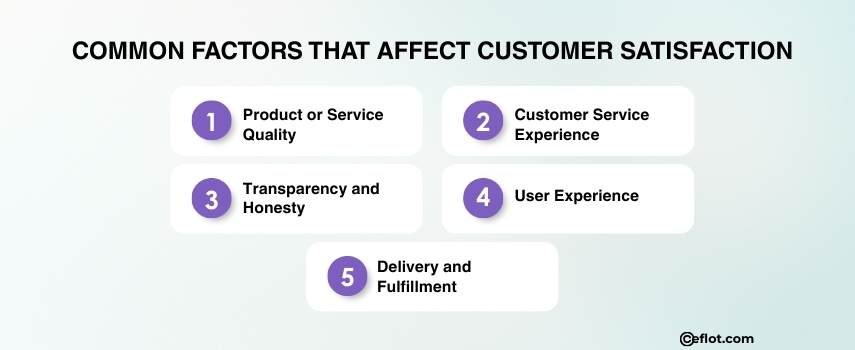
1. Product or Service Quality
-
Products must perform as promised and solve the customer’s problem.
-
Consistency matters. Customers expect the same quality every time.
-
Reliability builds confidence and encourages repeat purchases.
-
Continuous improvement based on feedback helps maintain high standards.
2. Customer Service Experience
-
Quick, helpful, and empathetic support increases satisfaction.
-
Customers remember interactions more than ads.
-
Well-trained staff can turn problems into positive experiences.
-
Multiple support channels (chat, email, phone) make help more accessible.
3. Transparency and Honesty
-
Hidden fees, unclear policies, or over-promising reduce satisfaction.
-
Transparency builds trust.
-
Clear pricing and straightforward communication prevent frustration.
-
Admitting mistakes and correcting them strengthens brand credibility.
4. User Experience
-
Websites, apps, or purchase processes should be smooth and simple.
-
Complicated steps frustrate customers.
-
Fast load times and intuitive navigation improve engagement.
-
Mobile-friendly design ensures a positive experience across devices.
5. Delivery and Fulfillment
-
Timely delivery and proper packaging enhance satisfaction.
-
Delays or errors harm trust.
-
Real-time tracking helps customers feel informed and secure.
-
Easy returns and exchanges reduce anxiety about purchasing.
How Customer Feedback Improves Marketing Strategies
Customer feedback is a goldmine for improving satisfaction. It tells you what works, what doesn’t, and what your audience truly values.
Ways to use feedback:
-
Collect surveys after purchases or service interactions.
-
Monitor social media mentions and reviews.
-
Analyze support tickets and frequently asked questions.
-
Use insights to refine messaging, campaigns, and service delivery.
Brands that act on feedback improve customer satisfaction, reduce churn, and create more targeted marketing campaigns.
What to Focus On in Marketing Campaigns
Marketing campaigns work best when they focus on clarity, trust, and real value. Instead of hype or pressure, strong campaigns guide customers by setting the right expectations and showing how a product genuinely fits into their lives.
Key Focus Areas in Marketing Campaigns
|
Focus Area |
What It Means |
Why It Matters |
|
Expectation Matching |
Align messaging with the real product experience |
Reduces drop-offs, complaints, and refunds |
|
Education Over Pressure |
Explain benefits instead of forcing urgency |
Builds confidence and informed decisions |
|
Simple Visuals |
Use clean layouts and readable text |
Improves understanding and attention |
|
Consistent Brand Voice |
Maintain the same tone across all channels |
Builds familiarity and trust |
|
Value-Based Messaging |
Highlight practical, everyday use |
Resonates more than hype |
|
Clear Call-to-Action |
Guide users with simple next steps |
Improves conversion quality |
|
Trust Signals |
Use reviews, transparency, and proof |
Increases credibility and confidence |
Customer satisfaction is built through honest marketing, clear communication, and real value at every stage of the journey. When marketing reflects the true customer experience, trust grows and long-term relationships follow. Brands that focus on people, not just promotions, see stronger loyalty, referrals, and steady business growth.
Digital Marketing services in Other Locations in India
Bangalore | Hyderabad | Chennai | Pune | Ahmedabad | Coimbatore | Mumbai | Kolkata | Patna | Amritsar | Indore | Kozhikode | Trivandrum | Jaipur | Nagpur | Gwalior | Dehradun | Noida | Vizag | Raipur | Agra | Gurgaon | Madurai | Udaipur | Thrissur |