






Social Media Campaigns for Startups
Learn how social media campaigns help startups grow, engage customers, and boost sales with clear goals and smart strategies.

Isn’t it surprising when social media posts receive minimal engagement despite consistent effort? Many startups struggle to turn campaigns into measurable results, such as increased followers, likes, comments, or shares. The reality is, it doesn’t have to be difficult, when you step into the customer’s shoes and focus on delivering value, campaigns naturally attract attention and give results.
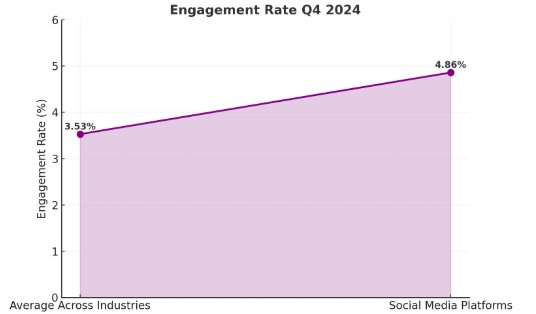
In fact the average engagement rate across all industries in Q4 2024 was 3.53%, with social media platforms leading at 4.86% .
Noise started as a smartphone accessory brand and later shifted to smart wearables, including smartwatches and wireless earbuds. Their early products laid the foundation for future growth.
Noise needed to establish a distinct presence in a competitive market while earning the confidence of tech-savvy, budget-friendly aimed consumers.
Noise used social media platforms like Instagram, YouTube, and Facebook to connect with its audience. Collaborations with influencers and celebrities, along with campaigns like "Made of Noise" highlighted the brand’s identity and resonated with young consumers.
The Importance of Social Media Campaigns
Social media campaigns are a core part of digital marketing. They help businesses build brand awareness so more people recognize the company, improves customer connection through direct engagement, and increases traffic to websites or online stores. Campaigns also support conversions such as sign-ups, downloads, or purchases, and give brands a clear advantage in the market. Businesses often rely on Social Media Marketing Services to plan, execute, and optimize these campaigns effectively.
Example: Assume a D2C fashion-focused startup launches an Instagram campaign to showcase its new clothing line. The campaign attracts followers, drives visitors to the online store, and results in higher sales.
How To Set Measurable Campaign Goals for Startups
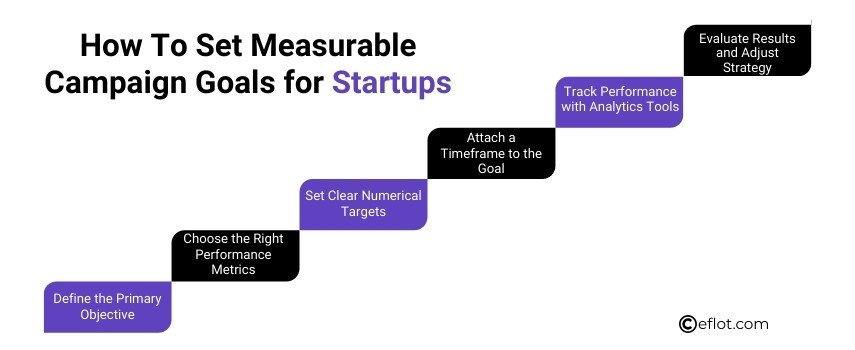
Step 1: Define the Primary Objective
Start by identifying the main purpose of the campaign. The objective could be to create brand awareness, drive website visits, increase customer engagement, or generate direct sales. A campaign without a specific objective often delivers scattered results that cannot be properly analyzed.
Example: A D2C fashion-focused startup decides that the objective of its next campaign is to generate awareness for a newly launched seasonal collection.
Step 2: Choose the Right Performance Metrics
Once the objective is defined, select the metrics that will be used to measure performance. Awareness campaigns can track impressions or follower growth, engagement campaigns may focus on likes, shares, and comments, while sales-driven campaigns will rely on clicks, sign-ups, or completed purchases.
Example: The same startup chooses Instagram followers and website traffic as its key metrics because both indicate growing awareness of the new collection.
Step 3: Set Clear Numerical Targets
A goal is measurable only when it is tied to numbers. Instead of saying “increase followers,” define exactly how many followers the campaign should gain. Numerical targets make it easier to track progress and evaluate the outcome.
Example: The startup sets a target to gain 1,000 new Instagram followers and record 700 visits to its online store within the campaign period.
Step 4: Attach a Timeframe to the Goal
Without a defined timeframe, goals lose urgency and campaigns may stretch without focus. Deadlines create accountability and allow marketers to measure results within a fixed period.
Example: The brand sets a 45-day period to achieve its follower and website visit goals.
Step 5: Track Performance with Analytics Tools
Use platform analytics or third-party tools to monitor progress during the campaign. Regular tracking helps identify which content or ads are performing well and where adjustments may be needed.
Example: The startup uses Instagram Insights and Shopify analytics to measure growth in followers and website visits every week.
Step 6: Evaluate Results and Adjust Strategy
At the end of the campaign, compare the actual numbers with the targets. If the goals are met or exceeded, the strategy can be repeated in future campaigns. If the results fall short, analyze where the campaign underperformed and refine the next plan accordingly.
Why Visual Content Gains More Reach?
Visuals capture attention faster than text. Social media platforms show images and videos more because users spend more time on them. That’s why visual-led campaigns are an important part of digital marketing. Using social media growth hacks, like posting at the right time, using clear captions, and trying different features, can make these campaigns work better.
-
Instant Attention: Photos and videos grab focus within seconds. In crowded feeds, visuals act as a natural pause point, encouraging users to stop scrolling and interact with the content instead of moving past it.
-
High Engagement: Posts with visuals generate stronger interaction in the form of likes, comments, shares, and saves. Engagement is not only a sign of audience interest but also pushes content to wider audiences through platform algorithms.
-
Better Storytelling: Images and graphics explain messages quickly and effectively. Visual storytelling helps communicate brand strength, product benefits, or campaign themes in a way that audiences can understand and connect with in less time.
-
Platform Preference: Instagram, TikTok, and even LinkedIn highlight visuals first. Algorithms on these platforms reward visual content by giving it higher placement in feeds, recommendations, and explore sections, increasing discoverability.
-
Memory Retention: People remember brands with strong visuals for longer. Consistent use of brand colors, styles, and themes creates recall, helping audiences identify and recognize the brand easily when making decisions.
Why Targeted Ads Win Customer Attention?
Targeted ads deliver marketing messages to people who are most likely to respond. Instead of showing campaigns to everyone, they focus on the audience segments that match specific demographics, interests, or behaviors. This increases efficiency and ensures that advertising works toward measurable business outcomes.
-
Reach the Right Audience: Target ads by age, location, and interests to reach users with higher intent.
-
Save Budget: Focus spending on relevant users to avoid wasted impressions.
-
Higher Conversions: Targeted campaigns lead to more clicks, sign-ups, and purchases.
-
Personal Relevance: Ads that match user needs get more attention and action.
-
Strong Engagement: Relevant ads generate more likes, shares, comments, and interactions.
Illustration: Solution-Oriented Campaign
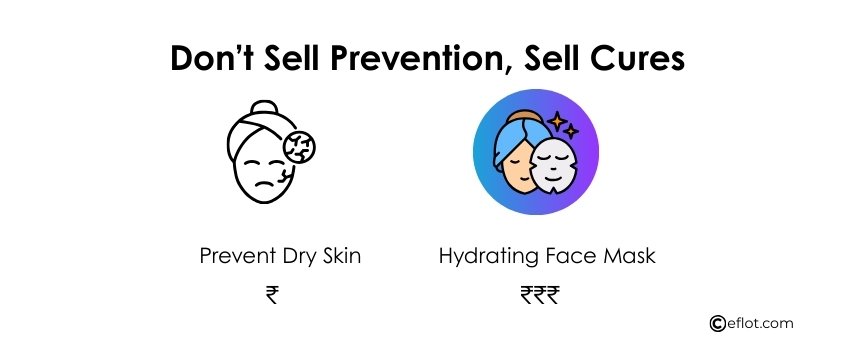
Instead of running an ad that says “Prevent Dry Skin” (which feels generic and preventive), a D2C skincare startup designs an ad that highlights “Hydrating Face Mask”. The second approach speaks directly to customer desire, offering a clear solution rather than an abstract prevention message. This targeted approach wins attention because it solves a specific problem the audience already relates to.
How A/B Testing Improves Results
A/B testing allows brands to compare two versions of content in order to determine which approach resonates more effectively with the target audience and achieves better engagement or conversions. This method provides actionable insights that guide future campaigns and reduce uncertainty in marketing decisions.
-
Test Headlines: Experimenting with different headlines helps identify which wording or tone captures audience attention and drives more clicks, ensuring that messaging is aligned with user interest.
-
Compare Images: By testing multiple visuals, brands can determine which images or graphics hold attention, generate interactions, and communicate the intended message more effectively.
-
Experiment with Calls-to-Action: Trying various call-to-action phrases, placements, and designs provides insight into what motivates users to take desired actions such as visiting a website, signing up, or making a purchase.
-
Optimize Posting Time: Testing different posting times reveals when the audience is most active and responsive, allowing campaigns to reach users when engagement potential is highest.
-
Refine Strategy: Insights from A/B testing inform future campaigns, enabling brands to replicate the most effective combinations of visuals, headlines, and calls-to-action to continuously improve results.
How to Monitor Campaign Performance
Monitoring campaigns helps brands see what works, measure results, and adjust strategies for better outcomes. For a digital marketing agency, tracking the right metrics is essential, it shows which content generates engagement, attracts clicks, or leads to conversions, enabling data-informed strategy adjustments.
-
Track Key Metrics: Focus on metrics that match your goals, such as follower growth, website visits, engagement, or sales.
-
Use Analytics Tools: Use platform insights or analytics tools like Instagram Insights, Facebook Business Suite, or Google Analytics to view performance data.
-
Analyze Audience Behavior: Observe how users interact with posts, including clicks, shares, and comments, to understand what content resonates.
-
Compare Campaign Results: Review past campaigns to identify trends, top-performing content, and opportunities to improve future strategies.
Social media campaigns help startups reach the right audience and drive measurable results. Monitoring performance, testing content, and using visuals effectively improve outcomes. Regular analysis and adjustments keep campaigns on track and focused on business goals.
Get results with your social media campaigns.
Email: [email protected]
Phone: 7996669915
Digital Marketing services in Other Locations in India
Bangalore | Hyderabad | Chennai | Pune | Ahmedabad | Coimbatore | Mumbai | Kolkata | Patna | Amritsar | Indore | Kozhikode | Trivandrum | Jaipur | Nagpur | Gwalior | Dehradun | Noida | Vizag | Raipur | Agra | Gurgaon | Madurai | Udaipur | Thrissur |