
















What is Social Media Analytics? A Simple Guide
Struggling to make sense of social media data? Discover how analytics can boost engagement, track trends & maximize ROI in this simple guide!

As a digital marketing specialist, I’ve always believed that data is the backbone of any successful marketing strategy. When I first started working with brands to optimize their online presence, I quickly realized that just posting content wasn’t enough. We needed to understand how our audience interacted with our posts, what resonated with them, and how we could refine our approach. This led me to get deep into social media analytics, a marketing game-changer.
Over the years, I have seen businesses transform their strategies by using insights derived from social media analytics. Whether it’s improving engagement, refining content strategies, or driving conversions, the power of analyzing social media data is undeniable. Here, I will share with you what social media analytics is, why it matters, and how some of the top companies have used it to their advantage.
What is Social Media Analytics?
Social media analytics refers to the process of gathering, analyzing, and interpreting data from social media platforms to make informed business decisions. It involves tracking metrics such as social media engagement metrics, social media sentiment analysis, social media ROI, and conversions to understand user behavior and improve marketing strategies.
Social media analytics provides valuable insights into audience preferences, content performance, and overall brand reputation. It enables marketers and business owners to adjust their strategies, ensuring they create relevant and engaging content for their target audience.
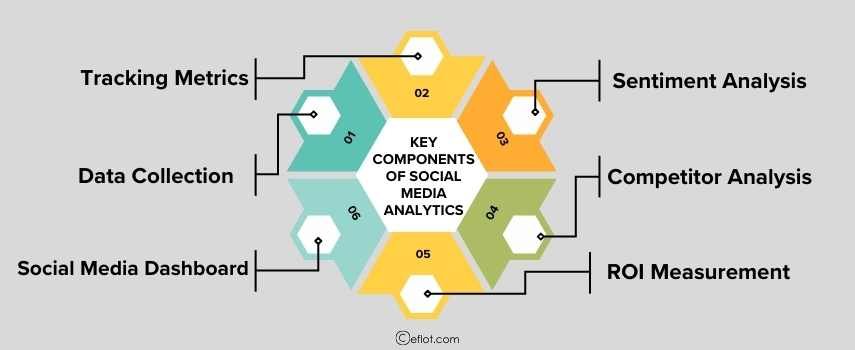
Key Components of Social Media Analytics
-
Data Collection – Gathering data from various social media platforms such as Facebook, Instagram, Twitter, LinkedIn, and TikTok using social media measurement tools.
-
Tracking Metrics – Measuring engagement (likes, shares, comments), impressions, reach, and conversion rates with social media engagement metrics.
-
Sentiment Analysis – Understanding customer emotions and brand perception through social media sentiment analysis.
-
Competitor Analysis – Benchmarking performance against industry rivals to identify growth opportunities.
-
ROI Measurement – Evaluating how social media efforts contribute to business objectives such as sales, lead generation, and brand awareness through social media ROI.
-
Social Media Dashboard – Using an interactive social media dashboard to monitor and visualize key performance indicators (KPIs) in real time.
Why is Social Media Analytics Important?
Social media analytics is crucial for businesses looking to maximize their online presence. Here’s why:
-
Better Audience Understanding: This helps businesses understand their target audience’s preferences, behaviors, and pain points.
-
Enhanced Engagement: Identifies the type of content that resonates with the audience, increasing interaction rates.
-
Informed Decision-Making: Provides actionable insights to improve marketing strategies and achieve business goals.
-
Optimized Budget Allocation: Helps marketers invest in strategies that yield the best return on investment through social media ROI.
-
Crisis Management: Monitors brand sentiment using social media sentiment analysis to address potential PR crises before they escalate.
How to Get Started with Social Media Analytics
If you want to leverage social media analytics effectively, follow these step-by-step actions:
1. Define Your Goals
Before diving into analytics, set clear objectives that align with your business needs. Ask yourself:
-
Do you want to increase engagement (likes, comments, shares)?
-
Are you looking to boost website traffic from social media?
-
Is your focus on improving brand awareness and reputation?
-
Do you need to generate leads or sales through social platforms?
-
Are you tracking customer sentiment to understand brand perception?
By defining these goals, you’ll determine which social media engagement metrics to track.
2. Choose the Right Tools
To analyze social media data effectively, you need the right tools. Here are some of the best social media measurement tools:
-
Google Analytics – Tracks social media traffic to your website and conversion data.
-
Hootsuite – Monitors multiple platforms, schedules posts, and provides analytics.
-
Sprout Social – Offers in-depth social media insights, audience demographics, and competitor analysis.
-
Brandwatch – Ideal for social media sentiment analysis and monitoring brand mentions.
-
HubSpot – Integrates social media analytics with inbound marketing campaigns.
Each tool has strengths, so choose one based on your goals.
3. Track Relevant Metrics
Once you’ve chosen your tools, track the right data points. Here are the essential social media engagement metrics:
-
Engagement Rate – Measures likes, shares, comments, and interactions to gauge audience involvement.
-
Reach and Impressions – Determines how many people see your posts and how often they appear.
-
Conversion Rate – Tracks how many users take the desired action (clicks, sign-ups, purchases).
-
Customer Sentiment – Uses social media sentiment analysis to classify audience emotions (positive, neutral, or negative).
-
Social Media ROI – Calculates the return on investment from paid campaigns and organic engagement.
By tracking these KPIs, you can measure success and areas for improvement.
4. Use A/B Testing for Optimization
A/B testing (also known as split testing) allows you to experiment with different elements to see what works best. You can test:
-
Content types (videos vs. images vs. carousels)
-
Posting times (morning vs. evening engagement)
-
Headlines and captions (long-form vs. short, question-based vs. statement)
-
Ad creatives (different colors, visuals, and calls to action)
Through A/B testing, you can refine your social media strategy based on data-backed insights.
5. Use a Social Media Dashboard for Real-Time Monitoring
A social media dashboard provides an overview of your analytics in one place, helping you:
-
Monitor multiple social platforms simultaneously
-
Visualize engagement trends over time
-
Track real-time sentiment analysis to gauge public perception
-
Measure ad performance and optimize campaigns for higher social media ROI
Some tools like Hootsuite, Sprout Social, and Brandwatch offer built-in dashboards to make tracking easier.
6. Adjust Your Strategy Based on Data Insights
Finally, use your collected data to continuously improve your social media performance.
-
Low engagement? Try changing post formats, frequency, or storytelling approach.
-
Poor reach? Experiment with different hashtags and paid promotions.
-
Is negative sentiment rising? Use crisis management techniques and customer support responses.
-
Low conversion rates? Optimize your call-to-action and landing pages.
By analyzing and adjusting regularly, you’ll stay ahead in the ever-changing social media environment.
Case Studies
Case Study1:
Coca-Cola is one of the world’s most recognized beverage brands, known for its innovative marketing strategies and customer engagement initiatives.
Challenge
Coca-Cola needed to enhance customer engagement and identify emerging consumer trends through social media. They aimed to improve customer sentiment, increase brand interaction, and optimize their marketing campaigns in real time.
Solutions
-
23% increase in customer engagement across social media platforms.
-
Higher participation in user-generated content campaigns.
-
Improved customer retention through personalized interactions.
Case Study2:
Nike is a global leader in sports apparel and footwear, known for its high-impact marketing campaigns and strong brand loyalty.
Challenge
Nike needed to optimize product launches and drive sales using social media insights. They wanted to track consumer behavior, improve targeting for their advertising campaigns, and measure the ROI of influencer marketing.
Solutions
-
35% increase in social media-driven sales.
-
20% reduction in marketing costs through improved ad targeting.
-
Higher brand engagement and stronger customer loyalty.
Social media analytics is a powerful tool that helps businesses understand their audience, optimize marketing efforts, and improve engagement. If you haven’t started using social media analytics yet, now is the time to get in. With the right tools and strategies, you can transform your brand’s online performance and stay ahead of the competition. By following this "What is Social Media Analytics? A Simple Guide," you’ll be equipped with the knowledge to make data-driven decisions that enhance your social media success.
Digital Marketing services in Other Locations in India
Bangalore | Hyderabad | Chennai | Pune | Ahmedabad | Coimbatore | Mumbai | Kolkata | Patna | Amritsar | Indore | Kozhikode | Trivandrum | Jaipur | Nagpur | Gwalior | Dehradun | Noida | Vizag | Raipur | Agra | Gurgaon | Madurai | Udaipur | Thrissur |