






















How to Build a Strong Organic Site from Scratch
Struggling to get noticed online? Learn how to build a strong organic site from scratch with SEO strategies that drive sustainable traffic and growth!
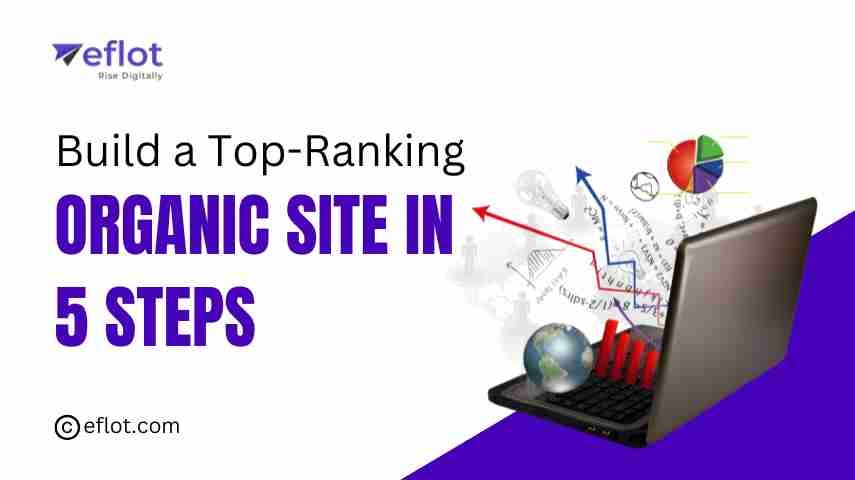
As a digital marketing specialist, I’ve had the privilege of working with a variety of businesses, from small startups to large corporations. Over the years, I've seen how a strong organic site can completely transform a business’s digital presence. Initially, many of the businesses I worked with focused heavily on paid advertising and other short-term tactics to drive traffic. However, I quickly realized that the businesses that thrived long-term were the ones that invested in building a strong organic site through sustainable SEO strategies.
Creating an organic site isn’t just about ranking for keywords, it's about building a foundation for long-term growth through high-quality content, on-page SEO techniques, and brand authority. While it may take some time to see significant results, the benefits of organic traffic growth such as higher conversion rates, lower acquisition costs, and improved user engagement are well worth the investment. Here, I’ll share with you how to build a strong organic site from scratch, focusing on creating a user-friendly experience, producing valuable content, and ensuring your website is optimized for both users and search engines.
What is an Organic Site?
An organic site is essentially a website that attracts traffic from unpaid, organic search results on search engines like Google, rather than relying on paid ads. Unlike paid search results, which appear as advertisements on search engines, organic traffic is driven by quality content, relevant keywords, and backlinks from other authoritative websites.
Building a successful organic page requires a comprehensive SEO strategy, which includes optimizing your site’s structure, producing engaging content, obtaining high-quality backlinks, and constantly adapting to the changing algorithms of search engines. One of the biggest advantages of having an organic page is that it drives consistent traffic over time, without ongoing costs. Once your site ranks for relevant keywords, it can continue to generate leads, drive traffic, and grow your business organically.
Why is Building a Strong Organic Site Essential?
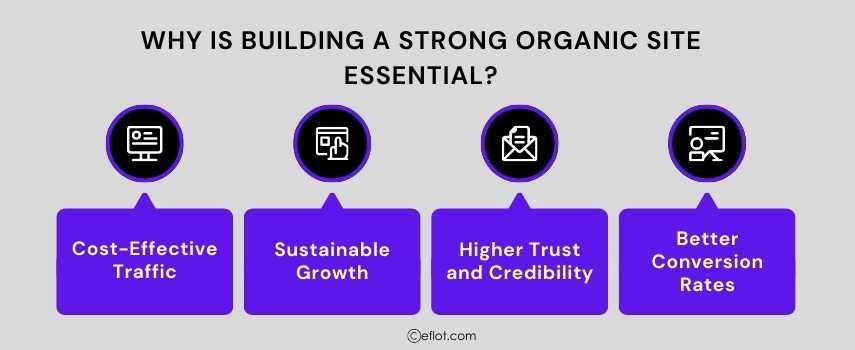
Building an organic site is essential for several reasons:
-
Cost-Effective Traffic: Unlike paid campaigns, once your website is well-optimized, you don’t need to keep spending money on ads to drive traffic.
-
Sustainable Growth: SEO-driven organic growth provides consistent, long-term results, helping you attract a steady stream of visitors.
-
Higher Trust and Credibility: Organic rankings are often seen as more credible by users. People tend to trust organic search results over paid advertisements.
-
Better Conversion Rates: Organic traffic tends to result in higher engagement and better conversion rates because the visitors are already searching for what you offer.
Step-by-Step Guide to Building a Strong Organic Site
Building a powerful organic page is a process that requires planning, commitment, and consistent effort. Below are the key steps you should follow to create an effective organic site:
1. Perform Thorough Keyword Research
The first step in building a strong organic page is to perform thorough keyword research. This process involves identifying the search terms that your potential customers are using when looking for products, services, or information in your industry.
Tools for Keyword Research:
-
Google Keyword Planner: A free tool from Google that helps identify popular keywords related to your business.
-
SEMrush: A paid tool that offers advanced keyword analysis and competitive research features.
-
Ahrefs: Another advanced SEO tool that provides keyword research and backlink analysis.
Focus on identifying long-tail keywords that are more specific and have lower competition, making them easier to rank for and often more likely to convert. These long-tail keywords SEO strategies will make your content easier to find and more targeted. Incorporating these keywords into your content strategy will help your organic page rank better in search engines.
2. Optimize Your Website's Structure and Navigation
An optimized site structure is essential for both search engines and users. If your website is hard to navigate or doesn't load quickly, visitors may leave quickly, resulting in a high bounce rate. Additionally, search engines need to crawl and index your site’s pages effectively.
Key Elements of Website Structure:
-
Clear and organized URLs: Use SEO-friendly URLs that describe the page’s content and include relevant keywords.
-
Clear navigation: Make sure users can easily find the information they are looking for. A simple, well-structured menu helps both users and search engines.
-
Mobile-friendly design: Ensure your website is responsive, meaning it functions well across all devices, including smartphones and tablets.
-
Internal linking: Connect your pages with internal links to help search engines understand your content and help users navigate the site.
By making sure your website’s structure is both intuitive and search engine optimized, you’ll set the stage for better rankings in the long run.
3. Create High-Quality, Relevant Content
Creating high-quality content is the cornerstone of a strong organic page. Content that is engaging, informative, and aligned with user intent will naturally attract backlinks, rank well in search engines, and keep visitors engaged.
Content Tips for Building an Organic Site:
-
Focus on user intent: Your content should solve the problem or answer the question that the user is searching for.
-
Create valuable resources: Offer how-to guides, case studies, tutorials, or long-form articles that provide real value to your audience.
-
Regularly update content: Fresh, up-to-date content ranks higher in search results. Regularly review and refresh your content to keep it relevant.
-
Multimedia: Add relevant images, videos, and infographics to make your content more engaging and shareable.
Make sure to integrate your targeted keywords naturally within your content, but avoid overstuffing. On-page SEO techniques, such as using proper header tags (H1, H2, H3), will help search engines better understand your content.
4. Build High-Quality Backlinks
Backlinks are one of the most important ranking factors in SEO. A backlink is when another website links to your content. Search engines consider these backlinks as “votes of confidence” in the quality and authority of your website.
How to Build Backlinks for Your Organic Site:
-
Guest blogging: Write articles for reputable blogs in your industry and include backlinks to your site.
-
Content promotion: Share your content on social media and engage with influencers or bloggers who might link back to your content.
-
Broken link building: Find broken links on other websites and offer your content as a replacement.
-
Local partnerships: Partner with local businesses or organizations and get backlinks from local sites.
The key is to focus on acquiring relevant, authoritative backlinks that will boost your site’s credibility in your niche. Building backlinks for SEO is crucial for improving your domain authority and driving organic traffic.
5. Improve Your Site’s Technical SEO
Technical SEO involves optimizing your website’s backend to ensure that search engines can crawl, index, and rank your site effectively. This includes improving site speed, and mobile-friendliness, and fixing crawl errors.
Key Technical SEO Practices for Your Organic Site:
-
Site speed optimization: Use tools like Google PageSpeed Insights to ensure your site loads quickly. A fast site is crucial for user experience and SEO.
-
XML sitemap: Ensure that your site has a sitemap that search engines can use to crawl and index your pages.
-
SSL certificate: Security is important for both users and search engines. Having an SSL certificate (HTTPS) is a ranking factor.
-
Fix crawl errors: Regularly monitor your website’s crawl errors via Google Search Console and fix any issues.
By focusing on website optimization in these areas, you can ensure your organic page performs well in search engines and offers a better user experience.
6. Track Your Site’s Performance and Make Adjustments
Once your organic page is live and optimized, it’s important to monitor its performance regularly. Use tools like Google Analytics and Google Search Console to track traffic, conversions, and user behavior. This will allow you to identify what’s working and what needs improvement.
Important Metrics to Monitor:
-
Organic traffic: Monitor the volume of traffic coming from search engines.
-
Bounce rate: A high bounce rate could indicate that your site’s content isn’t resonating with visitors.
-
Keyword rankings: Track your rankings for target keywords to assess your SEO efforts.
Use this data to make necessary adjustments and continually improve your organic page performance.
Case Studies
Case Study1:
HubSpot is a leading inbound marketing software company that built its brand largely through content marketing and SEO.
Challenge:
When HubSpot first started, it faced the challenge of breaking into the competitive field of inbound marketing and sales software. They needed a sustainable way to attract organic traffic without heavily relying on ads.
Solution:
HubSpot created a comprehensive content library and SEO strategy that focused on high-value keywords. They produced in-depth how-to guides, blog posts, and case studies that answered user questions and aligned with search intent.
Case Study2:
Shopify is one of the top e-commerce platforms in the world, helping businesses create online stores.
Challenge:
Shopify faced intense competition from other e-commerce platforms and needed a way to stand out and attract organic traffic to their site.
Solution:
Shopify focuses on creating valuable educational content for entrepreneurs and small business owners. They implemented long-tail SEO strategies, producing blog posts and resources for e-commerce entrepreneurs, alongside gaining backlinks through partnerships.
Building a strong organic site from scratch requires dedication, strategy, and ongoing effort. By focusing on solid SEO fundamentals, creating high-quality content, and building authority through backlinks, your site will steadily rise in search rankings. Remember, patience is key, and consistency is the foundation of success. Just like HubSpot and Shopify, any business can build a strong organic page by applying these principles and staying committed to continual improvement. If you're ready to take your business to the next level, start implementing these strategies today, and watch your organic page grow and thrive over time!
Digital Marketing services in Other Locations in India
Bangalore | Hyderabad | Chennai | Pune | Ahmedabad | Coimbatore | Mumbai | Kolkata | Patna | Amritsar | Indore | Kozhikode | Trivandrum | Jaipur | Nagpur | Gwalior | Dehradun | Noida | Vizag | Raipur | Agra | Gurgaon | Madurai | Udaipur | Thrissur |