



















What is Page Load Time? Ways to Improve it
Improve your website’s Page Load Time to improve user experience, engagement, trust, and SEO. Fast pages increase conversions and keep visitors exploring.

People visit websites to read, learn, compare, or contact a business.
They expect the page to appear clearly and work properly without confusion.
When a page takes too much time to show content, users feel disconnected.
This is why Page Load Time plays a key role in how people see your website.
It shapes their first experience and decides whether they stay or leave.
What does Page Load Time mean?
Page Load Time means the total time a web page takes to appear on the screen after a user clicks a link.
It covers:
-
When text becomes readable
-
When images appear fully
-
When buttons and links start responding
If these things appear smoothly, users feel comfortable. If they take time, users feel confused and distracted.
Even a small delay can change how users feel about a website.
Why slow loading pages cause problems
Slow pages affect people in quiet but serious ways. Users may not understand why the page feels uncomfortable, but their reaction is immediate. The content does not get enough time to communicate its value.
A slow Page Load Time can lead to:
-
Users leaving without reading
-
Forms not being filled
-
Fewer calls or messages
-
Reduced interest in services
-
Trust Decline: When a page responds slowly, confidence in the website decreases. Users may feel the site is not well-maintained or carefully handled. This impression forms even before the content is explored. Additionally, slow pages negatively impact technical SEO, as search engines monitor site speed, crawl efficiency, and user engagement. Poor performance can reduce search rankings, limit visibility, and hinder the overall effectiveness of SEO efforts.
-
Limited Interaction: Slow response discourages users from opening more pages. Navigation feels uncertain, which reduces movement across the site. Key pages receive less attention as a result.
-
Search Impact: Search engines monitor how users behave on a site. Quick exits and low interaction send negative signals. Over time, this can reduce search visibility.
-
Long-Term Effect: An uneven Page Load Time creates mixed experiences across devices. This weakens reliability and consistency. Improving speed supports clarity, confidence, and lasting engagement.
How page speed shapes first impressions
First impressions are formed within a very short moment. Users begin judging a website as soon as the page starts loading. Page speed sets the mood of the experience even before any content is read.
When a page loads smoothly:
-
Users feel comfortable and confident while viewing the site
-
Content appears clean and easy to read
-
Navigation feels simple and predictable
-
The layout feels organized and well structured
-
Users are more likely to explore multiple pages and engage with key content
When loading feels slow, interest reduces quickly. Users may doubt the quality of the website without clear reason. A steady Page Load Time helps build confidence, encourages meaningful interaction, and strengthens overall trust in the site.
Common technical reasons behind slow pages
Page speed often declines as content, tools, and functionality expand over time. This process happens gradually, making performance issues easy to miss until user experience and results are affected.
Main technical reasons include:
-
Images uploaded without compression or proper sizing
-
Excessive plugins, scripts, or third-party integrations on a single page
-
Pages loading all resources at once instead of prioritizing visible content
-
Limited or underpowered server capacity
-
Unoptimized CSS and JavaScript running in the background
Other factors that can contribute include outdated themes or frameworks, large font files, poorly optimized videos, and a lack of browser caching or content delivery networks (CDNs). Each factor adds extra weight and processing time. Combined, they silently increase page load time, reducing usability, engagement, conversion potential, and overall website performance without any clear warning signs.
Ways to improve website speed
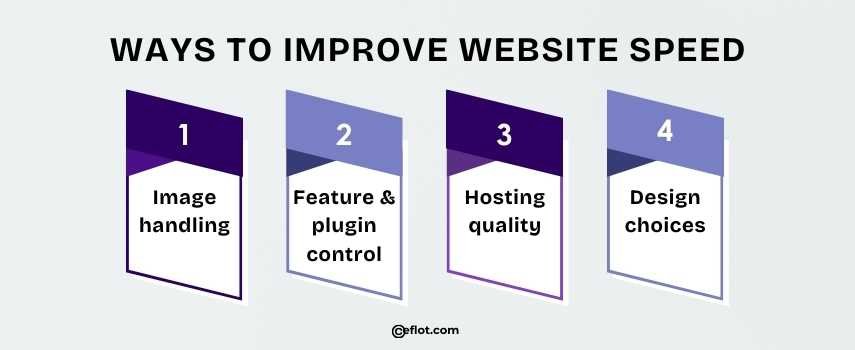
1. Image handling
Images help explain ideas, but they must be managed carefully.
-
Resize images before uploading
-
Avoid using images larger than needed
-
Use clear but lightweight formats
Smaller image files reduce Page Load Time across all devices.
2. Feature and plugin control
Websites often collect extra tools over time.
-
Remove tools that are not in use
-
Keep only features that help users
-
Avoid adding functions without a purpose
Clean structure helps pages load more smoothly.
3. Hosting quality
Hosting decides how fast a server responds.
Low-grade hosting may cause:
-
Delays during peak traffic
-
Inconsistent loading
-
Slower page delivery
Stable hosting supports better Page Load Time and consistent access.
4. Design choices
Design is not only about appearance.
It also affects performance.
Simple design choices that help:
-
Clean layouts
-
Limited animations
-
Focused content sections
When design stays clear, pages load with less effort.
Why speed checks should be part of routine
Websites change often.
New blogs, images, or updates can affect speed.
Regular checks help:
-
Spot slow pages early
-
Fix issues before users notice
-
Keep performance steady
Monitoring Page Load Time helps maintain long-term stability.
What happens when speed issues are ignored
Slow pages rarely trigger obvious alerts, which makes them easy to overlook. Instead of sudden drops, the damage builds quietly over time. Performance issues affect both users and search visibility.
You may start noticing:
-
Visitors leaving before the page fully loads
-
Traffic that arrives but does not engage
-
Content that receives fewer clicks and interactions
-
Lower time spent on important pages
-
Fewer returning visitors and repeat sessions
In most cases, the main issue is poor page load time. When speed is not optimized, user trust decreases, engagement drops, and overall site performance gradually declines. Optimizing page speed effectively, with the support of an SEO agency, ensures smoother performance, higher engagement, and improved search visibility.
Page Load Time is more than a technical metric, it shows how users perceive and interact with your website. Slow pages quietly reduce engagement, trust, and conversions, while fast pages build confidence and encourage exploration. Regular speed checks and optimization keep your site performing smoothly across all devices.
Digital Marketing services in Other Locations in India
Bangalore | Hyderabad | Chennai | Pune | Ahmedabad | Coimbatore | Mumbai | Kolkata | Patna | Amritsar | Indore | Kozhikode | Trivandrum | Jaipur | Nagpur | Gwalior | Dehradun | Noida | Vizag | Raipur | Agra | Gurgaon | Madurai | Udaipur | Thrissur |