











The Fundamental Needs of Digital Marketing
Explore the essential components of digital marketing, including strategy, SEO, content, social media, analytics, and more.
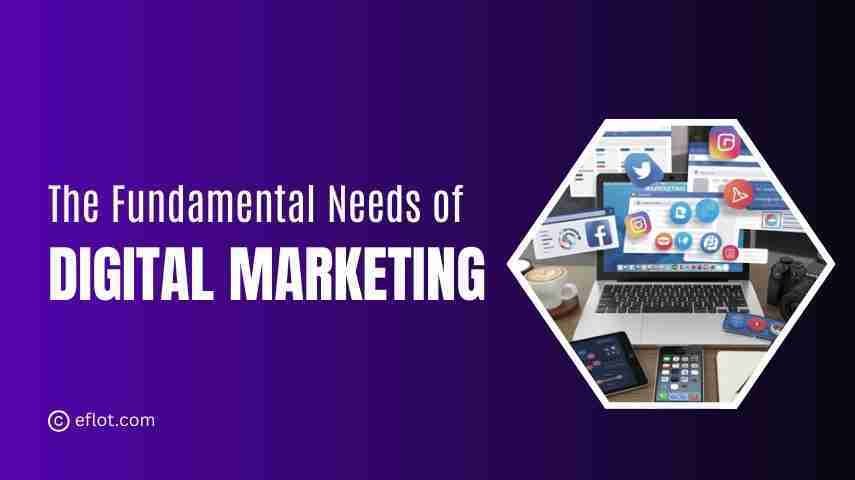
Digital marketing has become the cornerstone of business success. No longer confined to traditional methods, businesses are leveraging digital platforms to reach a global audience. However, to stand out in this competitive world, understanding the core needs of digital marketing is vital.
This comprehensive guide will explore the various aspects of digital marketing, focusing on how businesses can meet these needs to thrive in the online world. From SEO to social media, content marketing, and analytics, we’ll dive into each component and outline how to integrate them effectively into your strategy.
What is Digital Marketing?
Digital marketing refers to the use of digital channels, such as websites, social media, email, and search engines, to promote products or services to a target audience. It encompasses a wide array of activities aimed at building brand awareness, driving traffic, generating leads, and increasing conversions. Whether you're running a small business or a large corporation, mastering digital marketing is essential for staying competitive.
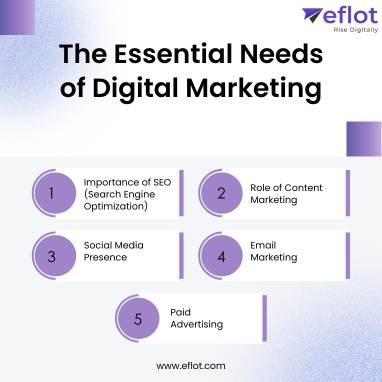
The Essential Needs of Digital Marketing
Understanding the core needs of digital marketing is crucial for creating an effective strategy that brings results. Let’s break down the primary areas where every digital marketing plan should focus.
-
Importance of SEO (Search Engine Optimization)
Search Engine Optimization(SEO) is the practice of optimizing your website so that it ranks higher in search engine results, making it easier for potential customers to find you. A well-executed SEO strategy increases visibility, enhances brand credibility, and drives organic traffic to your site.
-
Keywords: Using the right keywords ensures that your content is discoverable.
-
Meta tags: Optimizing meta titles and descriptions can increase click-through rates.
-
Link building: Establishing credibility through backlinks from reputable sites is essential for boosting search rankings.
-
Role of Content Marketing
Content marketing plays a significant role in meeting the needs of digital marketing, relevant content that resonates with your audience. Through blogs, articles, videos, and infographics, businesses can educate their audience, solve problems, and build trust.
-
Blogging: Regular blog posts can help drive consistent traffic.
-
Video content: Videos tend to have higher engagement rates and can be a powerful tool for storytelling.
-
Infographics: Simplifying complex information into visually appealing graphics can attract more shares and clicks.
-
Social Media Presence
A robust social media presence helps businesses connect with customers on a personal level. Platforms like Facebook, Instagram, LinkedIn, and Twitter offer a way to engage directly with your audience, promote your content, and build a community.
-
Audience targeting: Platforms allow for precise audience segmentation based on demographics, behaviors, and interests.
-
Engagement: Responding to comments and messages fosters a sense of community.
-
Advertising: Paid social media ads help reach broader or more specific audiences.
-
Email Marketing
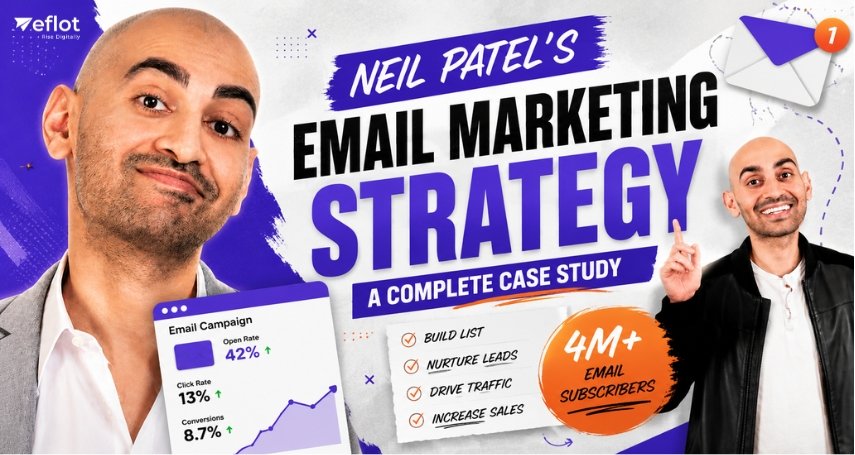
Email marketing remains one of the most effective digital marketing strategies, allowing businesses to send personalized messages to their audience. By delivering tailored content directly to consumers' inboxes, businesses can nurture leads, build relationships, and increase sales.
-
Personalization: Customized emails yield higher open rates and engagement.
-
Segmentation: Dividing your audience into segments ensures more relevant content delivery.
-
Automation: Automated email campaigns save time while improving efficiency.
-
Paid Advertising
Paid advertising, including Pay-Per-Click (PPC) and social media ads, enables businesses to target potential customers quickly. By investing in paid ads, companies can appear at the top of search results, boost traffic, and enhance conversions.
-
PPC (Pay-Per-Click): Highly targeted ads that only charge when clicked, ensuring budget control.
-
Display ads: Visually appealing banners or video ads shown on partner sites.
-
Retargeting: Ads that target users who have previously interacted with your brand, increasing the likelihood of conversion.
Building an Effective Digital Marketing Strategy
Crafting an effective digital marketing strategy starts with understanding your business goals and target audience. Here’s a step-by-step process to guide your efforts:
-
Define your objectives: Whether it's brand awareness, lead generation, or sales, your goals will determine the direction of your strategy.
-
Research your audience: Know your customers' demographics, behaviors, and pain points.
-
Choose your channels: Decide which platforms—search engines, social media, email, or paid ads, best suit your goals.
-
Create a content plan: Develop a calendar for producing and distributing content.
-
Measure your success: Use analytics tools to track your progress and optimize your campaigns accordingly.
SEO: The Backbone of Digital Marketing
Search Engine Optimization (SEO) is often referred to as the backbone of digital marketing because it directly addresses one of the major needs of digital marketing visibility. A well-optimized site is easier for search engines like Google to find and rank, leading to more organic traffic and conversions.
On-Page SEO
On-page SEO refers to optimizing individual web pages for specific keywords to increase search visibility.
-
Title tags: Craft unique, keyword-optimized titles for every page.
-
Meta descriptions: Summarize your page’s content in a compelling way.
-
Internal linking: Improve user navigation and link authority within your site.
Off-Page SEO
Off-page SEO refers to activities that occur outside your website, such as earning backlinks from reputable sites.
-
Backlinking: Quality backlinks signal to search engines that your content is credible.
-
Guest posting: Writing articles for other websites can build authority and drive traffic.
-
Social signals: Shares and likes on social media can indirectly impact SEO rankings.
Technical SEO
Technical SEO ensures your site is set up correctly so that search engines can crawl and index it efficiently.
-
Site speed: Fast-loading pages improve user experience and ranking.
-
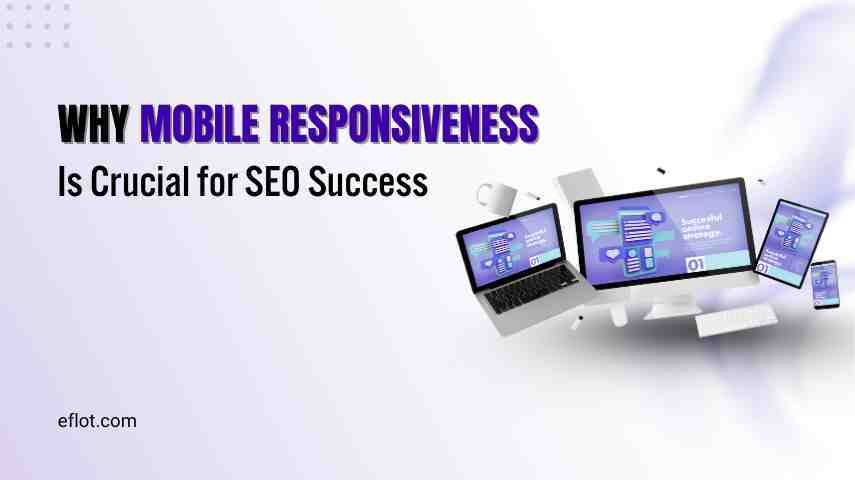
Mobile-friendliness: With mobile search on the rise, responsive design is critical.
-
XML sitemaps: Help search engines discover and crawl your pages more effectively.
Content Marketing: Driving Engagement and Trust
Content marketing is more than just blogging, it’s about delivering value consistently. By offering useful content that addresses the needs and questions of your audience, you can establish yourself as an industry authority.
-
Thought leadership: Publishing expert insights can differentiate your brand.
-
User-generated content: Encouraging customers to share their stories builds community.
-
Multimedia content: Using videos, podcasts, and interactive tools can appeal to different audience preferences.
Social Media Marketing: Expanding Your Reach
Social media marketing is a powerful tool for businesses to connect with customers and foster brand loyalty. By being active on platforms like Facebook, Instagram, LinkedIn, and Twitter, businesses can drive engagement and expand their reach.
-
Organic vs. Paid: While organic reach is valuable, paid social ads can target specific audiences more effectively.
-
Influencer partnerships: Collaborating with influencers can amplify your brand’s message.
-
Analytics: Tracking likes, shares, and comments helps fine-tune your social media strategy.
Email Marketing: The Power of Personalization
Email marketing meets several Needs of Digital Marketing, particularly in the areas of customer retention and personalization. Sending tailored content directly to users’ inboxes helps keep your brand top of mind while nurturing leads through the sales funnel.
-
Welcome emails: First impressions count. A welcome email sets the tone for future interactions.
-
Drip campaigns: Timed sequences of emails designed to nurture leads over time.
-
Re-engagement campaigns: Target inactive subscribers with compelling offers or content to win them back.
Paid Advertising: Targeting the Right Audience
Paid advertising directly addresses one of the immediate needs of digital marketing, targeted reach. With tools like Google Ads and social media ads, businesses can ensure their message reaches the right audience, increasing the chances of conversion.
-
Google Ads: Appear at the top of search results for keywords relevant to your business.
-
Social ads: Use Facebook, Instagram, or LinkedIn ads to target specific demographics.
-
Display networks: Visual ads on partner sites can increase brand awareness and drive traffic.
Analytics and Data: Tracking and Improving Performance
Without analytics, it’s impossible to measure the success of your digital marketing campaigns. By analyzing data, businesses can optimize their strategies to achieve better results.
-
Google Analytics: Track website traffic, user behavior, and conversions.
-
Social media insights: Platforms provide analytics on reach, engagement, and audience demographics.
-
A/B testing: Experiment with different versions of ads or emails to see what works best.
Digital marketing is no longer an option, it’s a necessity for businesses looking to succeed in the modern world. By focusing on SEO, content marketing, social media, email, and analytics, businesses can create a cohesive strategy that meets the needs of their target audience and drives growth.
Incorporating these essential elements into your digital marketing strategy will not only enhance your brand's online presence but also improve customer engagement and ultimately boost revenue.
Digital Marketing services in Other Locations in India
Bangalore | Hyderabad | Chennai | Pune | Ahmedabad | Coimbatore | Mumbai | Kolkata | Patna | Amritsar | Indore | Kozhikode | Trivandrum | Jaipur | Nagpur | Gwalior | Dehradun | Noida | Vizag | Raipur | Agra | Gurgaon | Madurai | Udaipur | Thrissur |