




Digital Marketing List of Services
Explore a comprehensive list of essential digital marketing services, including SEO, content marketing, PPC, and social media management.

I’ve seen personally how essential it is for businesses to have a strong online presence. A digital marketing list of services plays a critical role in ensuring that your brand is visible, relevant, and engaging to potential customers. With the right strategies, businesses can drive traffic, increase conversions, and build lasting relationships with their audience.
Digital marketing involves a wide range of services that cater to different business needs, from search engine optimization (SEO) to pay-per-click advertising (PPC), social media campaigns, content creation, and much more. This article provides a comprehensive guide to various digital marketing services, helping businesses choose the right ones to maximize their online potential.
The Importance of Digital Marketing for Businesses
In an era where consumers are constantly online, having a solid digital marketing list of services is essential. AI in Digital marketing offers businesses the ability to reach a global audience, reduce marketing costs,
-
Global Reach: Unlike traditional marketing, digital marketing allows you to reach audiences worldwide.
-
Cost-Effectiveness: Digital marketing services, such as SEO and PPC, provide a more affordable way to reach a large audience than traditional advertising.
-
Measurable Results: You can track the success of your campaigns in real-time, optimizing for better performance.
-
Targeted Marketing: Digital tools allow precise targeting based on demographics, interests, and behaviors.
-
Enhanced Customer Engagement: With social media and personalized email campaigns, businesses can build better relationships with their customers.
Core Digital Marketing Services
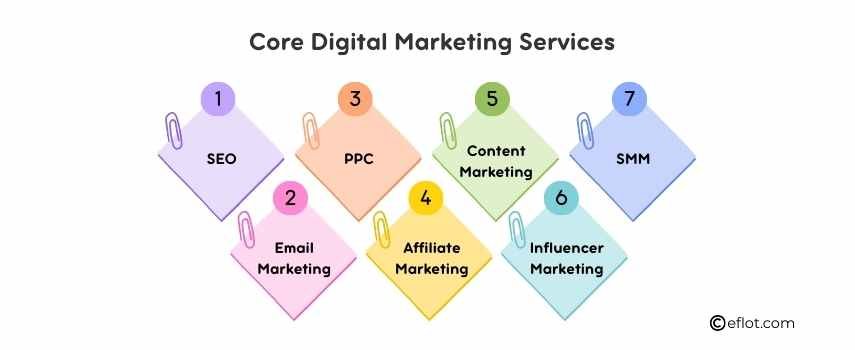
Every business needs to focus on a variety of tactics to build its online presence. Here is a digital marketing list of services that form the foundation of any successful online strategy:
1. Search Engine Optimization (SEO)
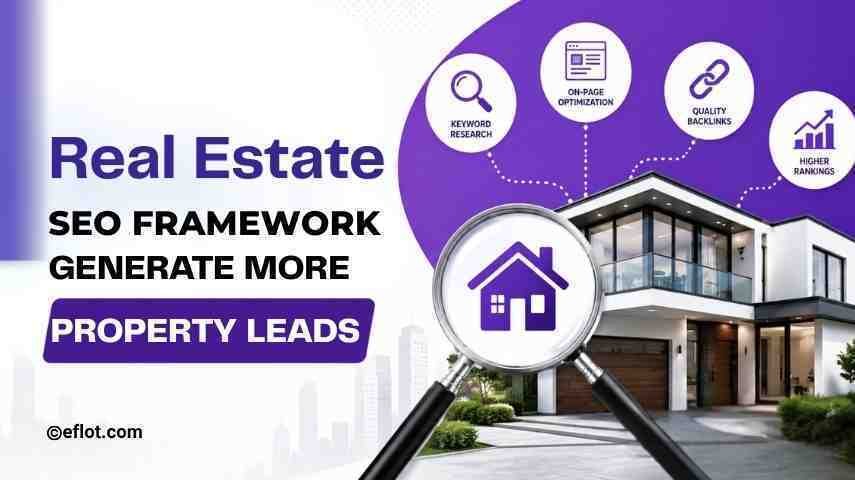
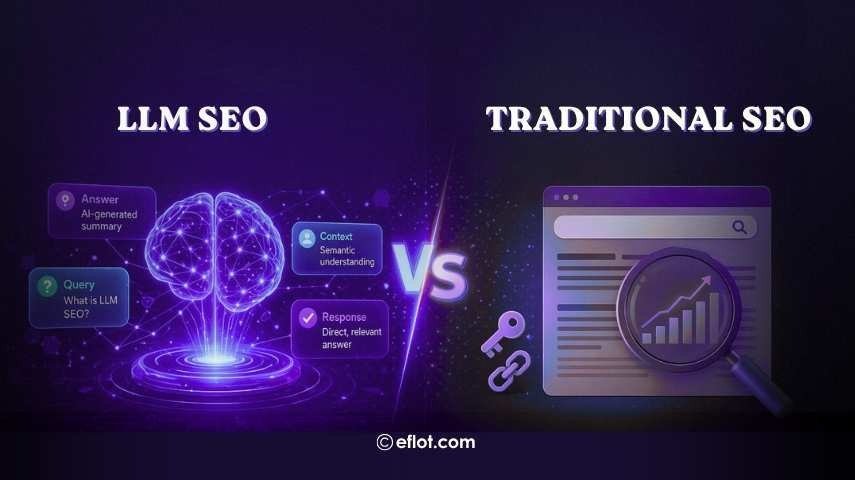
SEO is improving your website's visibility on search engines like Google. The goal is to appear on the first page of search results for relevant keywords, which increases organic traffic to your site.
Key Aspects of SEO:
-
On-Page SEO: Focuses on optimizing individual pages on your site, including meta tags, keywords, and content quality.
-
Off-Page SEO: Involves building backlinks and boosting your site’s authority through external signals.
-
Technical SEO: Ensures that your site is structured in a way that search engines can crawl and index it easily.
2. Pay-Per-Click Advertising (PPC)
PPC advertising is a model where advertisers pay a fee each time their ad is clicked. Google Ads and social media platforms like Facebook and LinkedIn offer robust PPC services to target specific demographics.
Benefits of PPC:
-
Immediate results, as opposed to SEO’s longer timeline.
-
Targeted campaigns based on location, interests, and more.
-
Budget control with adjustable daily limits.
3. Content Marketing
Content marketing involves creating valuable, relevant, and consistent content to attract and engage your audience. This could be in the form of blog posts, videos, podcasts, infographics, and more.
Why Content Marketing Works:
-
Builds Authority: High-quality content positions your brand as an industry leader.
-
Boosts SEO: Content marketing naturally supports your SEO strategy by driving organic traffic.
-
Engages Customers: Useful content keeps visitors on your site longer, increasing conversion chances.
4. Social Media Marketing (SMM)
Social Media Marketing uses platforms like Facebook, Instagram, LinkedIn, and Twitter to promote your brand and engage with your audience.
Core Strategies for SMM:
-
Organic Posting: Sharing valuable content to engage your followers.
-
Paid Advertising: Running targeted ads to boost reach and conversions.
-
Influencer Partnerships: Collaborating with influencers to promote your brand to their audience.
5. Email Marketing
Email marketing is one of the most effective digital marketing channels for nurturing relationships and driving conversions. It involves sending personalized, targeted messages to subscribers.
Effective Email Marketing Practices:
-
Segmentation: Grouping your audience by interests, behaviors, or demographics.
-
Personalization: Tailoring emails to individual customers for higher engagement.
-
Automation: Sending scheduled, behavior-triggered emails to maintain engagement over time.
6. Affiliate Marketing
Affiliate marketing allows businesses to partner with affiliates (individuals or other companies) who promote their products. Affiliates earn a commission for every sale generated from their referral.
Benefits of Affiliate Marketing:
-
Cost-Effective: You only pay for results—when a sale is made.
-
Scalable: You can grow your network of affiliates to expand your reach.
-
Increased Brand Exposure: Affiliates often have their loyal following, exposing your brand to new audiences.
7. Influencer Marketing
Influencer marketing involves collaborating with influencers—people with large online followings—to promote your products or services.
Key Points:
-
Authenticity: Influencers can authentically promote your brand to their engaged audience.
-
Targeting Specific Niches: With the right influencer, you can reach a highly specific demographic.
-
High ROI: When done correctly, influencer marketing can deliver a high return on investment.
Advanced Digital Marketing Services
-
Conversion Rate Optimization (CRO)
Conversion Rate Optimization (CRO) involves improving your website or landing pages to increase the percentage of visitors who take a desired action, such as making a purchase or signing up for a newsletter.
Key CRO Strategies:
-
A/B Testing: Experimenting with different elements on your site to see what performs better.
-
User Experience (UX) Improvements: Enhancing site navigation, loading times, and overall design.
-
Compelling CTAs (Call to Action): Strategically placed CTAs that encourage user engagement.
-
Marketing Automation
Marketing automation uses software to automate repetitive tasks like email marketing, social media posting, and ad campaigns. This allows for more personalized and timely communication with your audience.
Key Tools for Marketing Automation:
-
CRM Integration: Syncing customer data to send targeted messages.
-
Email Workflows: Automating email sequences based on user actions or time intervals.
-
Automated Ad Campaigns: Running and adjusting PPC campaigns automatically based on performance.
-
Web Design and Development
Your website is often the first impression potential customers have of your brand. Web design and development services focus on creating visually appealing, user-friendly websites that are optimized for conversions.
Essential Web Design Elements:
-
Mobile Responsiveness: Ensuring the site works well on all devices.
-
Fast Load Times: Users expect sites to load quickly, or they’ll leave.
-
Intuitive Navigation: Easy-to-use menus and clear site structure improve user experience.
-
Analytics and Data Reporting
Analytics and data reporting involves tracking your marketing efforts’ performance to make informed decisions. By understanding what's working and what isn't, you can optimize campaigns for better results.
Tools and Metrics:
-
Google Analytics: Tracks website traffic, user behavior, and conversions.
-
Social Media Insights: Provides data on engagement, reach, and audience demographics.
-
Email Metrics: Measures open rates, click-through rates, and conversions from email campaigns.
Benefits of Using Digital Marketing Services
Using a comprehensive digital marketing list of services can offer many benefits, including:
-
Increased Online Visibility: SEO, PPC, and social media help boost your online presence.
-
Targeted Audience Reach: You can tailor campaigns to specific demographics and behaviors.
-
Measurable Results: Digital marketing provides clear, actionable data to track performance.
-
Scalability: You can start small and gradually increase your investment as you see results.
-
Improved ROI: Compared to traditional advertising, digital marketing offers a better return on investment due to its targeted nature.
How to Choose the Right Digital Marketing Services for Your Business
When selecting a digital marketing list of services, it’s crucial to align your choices with your business goals. Here’s how to pick the best services for your needs:
-
Identify Your Goals: Whether it’s increasing brand awareness, generating leads, or boosting sales, having clear goals will help you choose the appropriate services.
-
Understand Your Audience: Different demographics respond to different types of marketing. Know who your audience is and what platforms they frequent.
-
Evaluate Your Budget: Consider how much you’re willing to invest in marketing and choose services that provide the best ROI within your budget.
-
Analyze Competitors: Look at what your competitors are doing and identify gaps in their strategies where you can excel.
Digital marketing services are essential for any business looking to thrive in the digital age. From SEO and content marketing to PPC and social media strategies, the right combination of services can help you build a strong online presence, engage your audience, and grow your business. By understanding your goals and audience, you can choose the digital marketing services that best align with your business needs.
Digital Marketing services in Other Locations in India
Bangalore | Hyderabad | Chennai | Pune | Ahmedabad | Coimbatore | Mumbai | Kolkata | Patna | Amritsar | Indore | Kozhikode | Trivandrum | Jaipur | Nagpur | Gwalior | Dehradun | Noida | Vizag | Raipur | Agra | Gurgaon | Madurai | Udaipur | Thrissur |