





















How Shopify SEO Can Improve Your Ecommerce Visibility
Improve Shopify SEO by optimizing product pages, site structure, keywords, speed, and internal links to increase visibility rankings traffic and sales on Google search
Your Shopify store may have strong product pages and a clean design, but without proper SEO, it remains hard to find in search results.
If product pages are not optimized with the right keywords, search engines cannot clearly understand or rank them.
As a result, your store does not appear when users search for products you already sell.
Shopify SEO focuses on improving site structure, keyword mapping, and on-page elements so your pages can rank higher on Google.
What Is Shopify SEO?
Shopify SEO is the process of improving your Shopify website so that it ranks higher in search engines. It involves targeting relevant keywords, improving site structure, and making your Shopify ecommerce website easy to navigate for both customers and search engines.

An effective SEO strategy for Shopify stores helps:
Google visibility → More visitors → Customer trust → Increased sales
I’ve seen this work myself while optimizing Shopify stores for more visibility and engagement.
In fact, 39.8% of searchers click the first organic result, making Shopify SEO more effective than paid ads for attracting buyers.
What Makes Your Shopify Store SEO-Friendly?
Not sure what improves your Shopify store’s SEO performance?
Then focus on optimizing these areas:
-
Optimized Product Pages: Use clear titles, descriptions, and images that match what people search for.
-
Fast Loading Speed: Would you wait 5 seconds for a page to load? Most people won’t, and a slow store can frustrate visitors and affect your Google rankings.
-
Mobile-Friendly Design: Most shoppers browse on phones. A smooth mobile experience keeps them buying.
-
Clean URL Structure: Short, readable URLs with keywords make it easier for search engines to understand your pages.
-
Internal Linking: Linking your products and content pages together helps Google crawl your store and keeps visitors exploring.
-
Relevant Content: Blog posts, guides, and FAQs not only inform customers but also increase search visibility.
WooCommerce vs. Shopify
Comparing Shopify and WooCommerce highlights why Shopify is often preferred for managing ecommerce performance and SEO efficiently.
|
WooCommerce |
Shopify |
|
WordPress plugin; requires hosting and setup |
Fully hosted; ready to launch |
|
Flexible but needs technical knowledge |
User-friendly, drag-and-drop interface |
|
Highly customizable |
Customizable via themes and apps |
|
Supports almost any payment gateway (setup needed) |
100+ built-in gateways; Shopify Payments included |
|
Performance depends on hosting |
Can handle stores of all sizes |
Tools for Shopify SEO Optimization
Optimizing your store doesn’t have to be manual. I’ve tested a few tools that really helped streamline my SEO efforts.
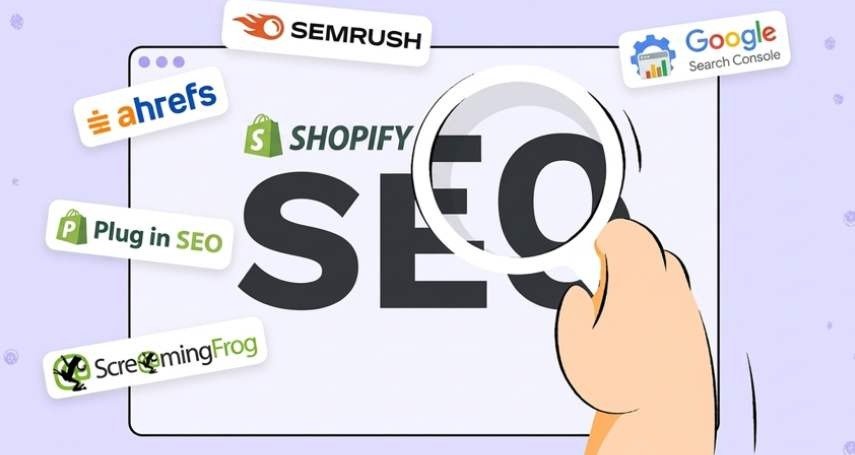
Ahrefs
-
Track keywords and backlinks for your Shopify website.
-
Monitor competitor backlinks to spot new opportunities.
SEMrush
-
Analyze competitors and improve your Shopify e-commerce website visibility.
-
Find keywords with high traffic potential.
Plug in SEO
-
Detects issues and optimize your Shopify store.
-
Identify broken links, missing meta tags, and SEO errors.
Google Search Console
-
Monitor indexing, errors, and traffic for your Shopify website.
-
Find and fix crawl issues that affect your site.
Screaming Frog
-
Scan your Shopify website for broken links, duplicate content, and technical SEO issues.
-
Generate reports on internal links, meta data, and page status.
Free tools can highlight areas to improve your SEO, with Shopify SEO services making sure those improvements have maximum impact with the help of ecommerce marketing agency.
Shopify UX Best Practices for Mobile Shopping
Ever experienced high bounce rates on your Shopify website?
It usually happens if your site didn’t meet visitors’ expectations for a smooth, effortless shopping experience.
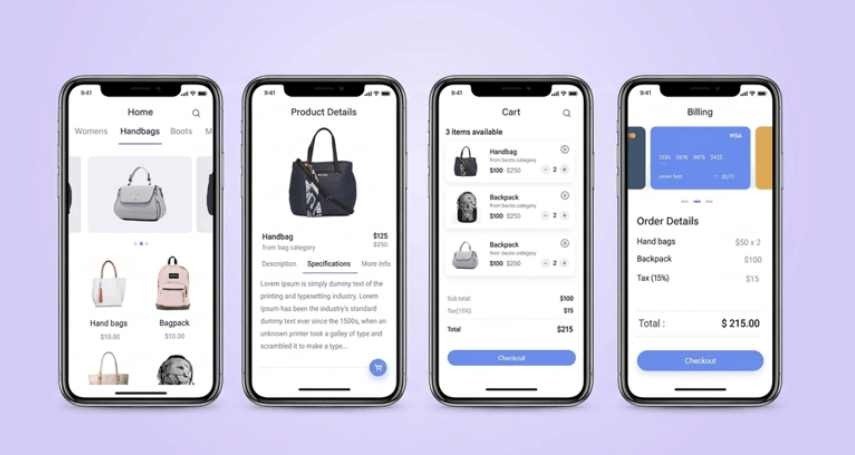
A well-optimized Shopify store improves user experience and supports Shopify-SEO optimization.
-
Responsive & Mobile-Friendly Themes: Choose themes that adapt to all devices for a smooth shopping experience.
-
Clear Product Descriptions: Keep descriptions short and easy to read so shoppers understand products quickly.
-
Simple Navigation: Use intuitive menus and buttons for easy browsing.
-
Fast Checkout: Streamline forms and reduce steps to speed up purchases.
-
Minimal Pop-Ups: Keep pop-ups to a minimum to maintain focus and support SEO.
I’ve implemented these above changes on my Shopify project, improving mobile UX, customer satisfaction, and SEO.
How to Fix Technical SEO Issues in Shopify
Technical SEO helps Google crawl, index, and rank your Shopify store.
Here’s how to fix common issues:
1. Optimize Site Structure & URLs
Use short, readable, keyword-rich URLs: Home → Collection → Product. Avoid auto-generated codes.
2. Use Canonical Tags
Specify the main URL for products in multiple collections to prevent duplicate content.
3. Submit Sitemap & Configure Robots.txt
Submit /sitemap.xml in Google Search Console and block irrelevant pages like checkout or admin.
4. Add Structured Data / Schema
Implement a product schema (price, availability, reviews) and an article schema for rich snippets.
5. Mobile Optimization
Ensure fonts, buttons, and menus work well; simplify navigation and checkout forms.
6. Fix Broken Links & Redirects
Scan for 404 errors and set up 301 redirects to maintain SEO value.
7. Enable HTTPS & Security
Activate SSL Configuration for a secure store and improved search visibility.
Following these steps will help your Shopify store rank higher in search results and provide a smooth experience for visitors. For businesses looking for expert guidance, an expert Shopify SEO agency can handle all the technical optimizations.
Shopify SEO Tips for Ecommerce Growth
Top tips to optimize your Shopify store for SEO:
1. Prioritize Landing Pages
-
Best sellers and category pages attract the most visitors.
-
Consider which products sell the most and which categories get traffic.
2. Regularly Update Content
-
Old product pages and blogs can lose visibility over time.
-
Try refreshing content regularly to keep it relevant and maintain search rankings.
3. Track Your SEO Progress
-
You can’t improve what you don’t measure.
-
Make a proper track on checking traffic, rankings, and conversions to see what works.
4. Use Internal Linking
-
Guiding visitors keeps them exploring your site.
-
Make sure related products, collections, and blog posts are linked logically for easy navigation.
5. Add Customer Reviews
-
Fresh, user-generated content helps shoppers make decisions.
-
Show product reviews and ratings to provide social proof and keep pages active.
FAQs
What is Shopify SEO?
Shopify SEO is the process of optimizing your store to rank higher in search engines. It involves using the right keywords, improving site structure, creating quality content, and making your store easy to navigate for both users and search engines.
Why is SEO important for a Shopify store?
SEO helps your store appear in Google searches, attract organic visitors, and build customer trust. A reliable Shopify SEO company can guide these efforts to increase sales and support long-term business growth.
How do I optimize my Shopify product pages?
Use clear titles, descriptions, and images with alt text. Add relevant keywords, clean URLs, fast-loading pages, and mobile-friendly navigation to improve search rankings.
What are the benefits of Shopify SEO services?
Shopify SEO services improve Google rankings, visibility, user experience, and product discoverability. Optimizing keywords, content, and site structure helps increase traffic, engagement, and sales.
Which tools help improve Shopify optimization?
Popular tools include Ahrefs (keywords), SEMrush (competitor analysis), Plug in SEO (site audits), Google Search Console (traffic and errors), and Screaming Frog (technical SEO).
Shopify SEO helps your store reach more customers and increase sales. Focus on clear product pages, fast loading speed, quality content, and proper internal links. Avoid common mistakes and use the right tools to monitor your progress. With consistent effort, your Shopify store can attract more visitors and retain customers effectively.
Digital Marketing services in Other Locations in India
Bangalore | Hyderabad | Chennai | Pune | Ahmedabad | Coimbatore | Mumbai | Kolkata | Patna | Amritsar | Indore | Kozhikode | Trivandrum | Jaipur | Nagpur | Gwalior | Dehradun | Noida | Vizag | Raipur | Agra | Gurgaon | Madurai | Udaipur | Thrissur |