



















Importance of Online Reputation Management for Businesses
Learn why managing online reputation is essential for businesses to build trust, attract customers, and stay competitive in the digital space.

Every business faces the risk of getting negative comments or reviews online. Handling these properly is key to keeping your brand strong. Online reputation management (ORM) involves protecting and improving your business’s image on the internet, making sure your brand stays trustworthy and respected.
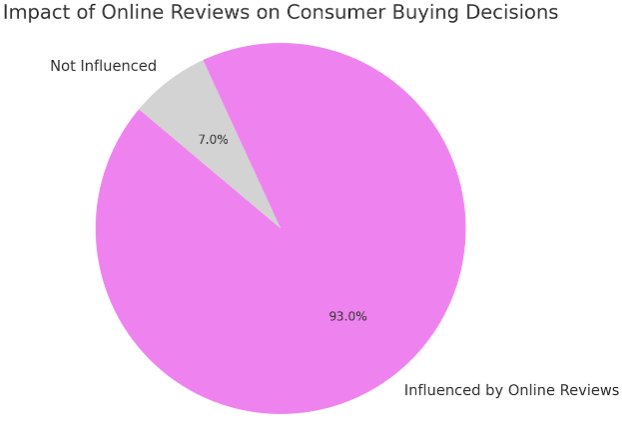
Studies suggest that 93% of consumers say online reviews influence their buying decisions.
Nestlé is a famous food company, and Maggi noodles were one of its most popular products in India. Many people loved Maggi and ate it often. One day, some tests said that Maggi had too much lead, which is bad for health. After that, the news spread fast, and many people got worried. Some places banned Maggi, and people stopped buying it. Nestlé first said the tests were wrong, but people did not believe them.
Because Nestlé didn’t explain things clearly at the start, people lost trust. The company had to take Maggi off the shelves and throw away many noodles. Nestlé also lost a lot of money. But the biggest problem was that the brand’s image was hurt, and many people were talking badly about it online and in the news.
To solve the problem, Nestlé stopped making Maggi for a while. They did many new tests to prove it was safe. Then they talked to the public, shared the test results, and worked with health officials. When everything was clear, they brought Maggi back with better packaging and safety checks. They also used ads and social media to explain the truth. Slowly, people started to trust Maggi again.
What is Online Reputation Management?
Online reputation management means keeping track of what people are saying about your online presence and taking steps to maintain a positive brand image. This includes replying to negative reviews, correcting false or outdated information, and making sure the best parts of your brand are easy to find. It also involves sharing positive feedback, highlighting customer experiences, and staying active on platforms where your audience is most engaged.
While ORM shares some ideas with digital public relations, its main goal is to protect and manage your reputation, not just promote your brand. It’s about building trust, responding quickly to issues, and making sure your online presence reflects your values and strengths.
Why Is Online Reputation Management Important?
Online reputation management matters because it shapes how customers see your business, which influences their decisions to buy from you or not.
-
Most buyers check online before purchasing. Around 60% of people avoid brands that seem untrustworthy.
-
Reviews affect sales. Nearly all shoppers read product reviews, and bad reviews can turn them away.
-
It helps handle complaints. Responding quickly to unhappy customers can turn their bad experiences into future sales.
-
You get useful feedback. When you notice common complaints, you can improve your products or services.
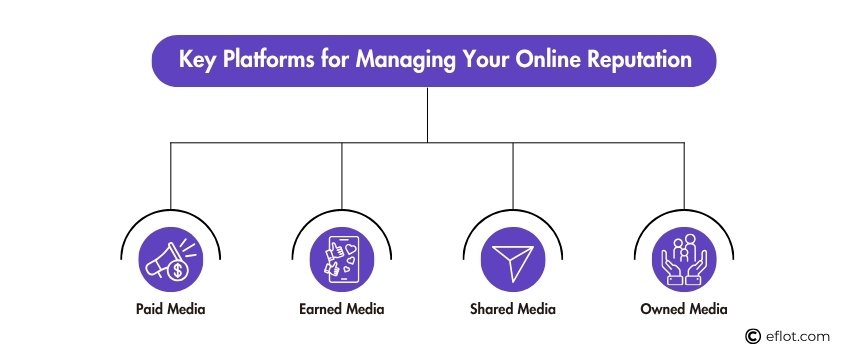
Key Platforms for Managing Your Online Reputation
You need to keep an eye on several online places where people talk about your business:
-
Paid Media: This includes advertisements and sponsored content you pay for, such as Google ads, social media promotions, and influencer partnerships. While you have full control over the messaging, these channels can be expensive.
-
Earned Media: This refers to unpaid coverage like news stories, blog articles, and third-party reviews. Because this content is not controlled by your business, it is generally viewed as more credible by consumers.
-
Shared Media: This encompasses social media posts and comments from both your brand and customers. Negative remarks can quickly gain traction, making prompt responses essential.
-
Owned Media: These are platforms you fully own, including your website and email newsletters. Use these channels to communicate your brand message effectively and improve your reputation through quality content and SEO.
Common Reputation Management Mistakes to Avoid
Effectively managing your online reputation requires careful attention. Here are frequent mistakes to avoid:
-
Ignoring Negative Feedback
Failing to respond to negative reviews or comments can quickly erode customer trust and harm your brand’s credibility. It’s important to acknowledge concerns promptly and address them with empathy and professionalism to show that you value customer opinions. -
Responding Emotionally
Reacting defensively or emotionally to criticism can escalate conflicts and damage your brand’s image. Staying calm, polite, and professional—even in difficult situations- helps to de-escalate tensions and demonstrates maturity and accountability. -
Limited Monitoring
Only checking a few platforms or neglecting to monitor your brand’s mentions regularly can cause you to miss important feedback or early signs of a reputation issue. Using comprehensive monitoring tools ensures you stay informed and can respond quickly wherever conversations happen. -
Generic Responses
Sending automated or copy-paste replies to customer reviews may come across as insincere and uncaring. Personalized, thoughtful responses show genuine engagement and help build stronger relationships with your audience.
Avoiding these mistakes can significantly improve how your brand is perceived and help you maintain a strong, trustworthy online presence.
How to Manage Your Online Reputation in 5 Simple Steps
-
See What People Are Saying
Search your business name on Google and social media to check reviews, comments, and mentions.
-
Create a Clear Plan
Identify which issues need urgent attention and set guidelines for how your team should respond, including tone and timing.
-
Monitor Mentions Regularly
Use tools like Google Alerts or reputation monitoring apps to stay updated on what’s being said about your brand online.
-
Be Prepared for Crises
Have a crisis plan in place outlining who responds and how. Use personalized messages to handle negative situations quickly and thoughtfully.
-
Encourage and Respond to Reviews
Ask happy customers to share their positive experiences, make it easy for them to leave reviews, and always reply to feedback to show engagement.
Your online reputation greatly affects how people see your brand. Staying aware and responding quickly helps protect and improve your image. With the right approach, you can build trust, handle problems, and keep your online presence strong.
Want to improve your online presence? Email us at [email protected].
Digital Marketing services in Other Locations in India
Bangalore | Hyderabad | Chennai | Pune | Ahmedabad | Coimbatore | Mumbai | Kolkata | Patna | Amritsar | Indore | Kozhikode | Trivandrum | Jaipur | Nagpur | Gwalior | Dehradun | Noida | Vizag | Raipur | Agra | Gurgaon | Madurai | Udaipur | Thrissur |