



















Create the Perfect Social Media Plan for Your Business
Unlock your business’s potential with a social media plan that drives growth, boosts engagement, and converts followers into loyal customers.

Are you struggling to engage your audience on social media?
Wondering how to create a social media plan that drives business results? In a digital environment, social media plays a critical role in marketing strategies, and a well-crafted social media plan can help you stand out from the competition, build brand loyalty, and convert followers into customers.
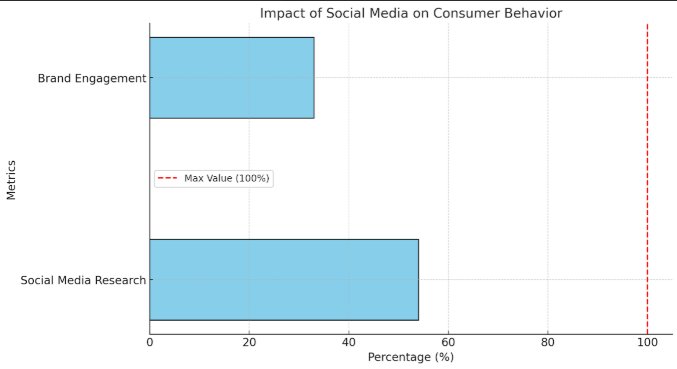
According to Sprout Social, 54% of people use social media to research products and services before making a purchase. Additionally, businesses with a strong social media presence see 33% more brand engagement than those that don’t.
Nike’s social media plan is a textbook example of how to successfully leverage social media for business growth. Nike understands its audience’s values and aspirations, focusing on storytelling and authenticity. Their “Just Do It” campaign is one of the most recognizable and successful marketing campaigns globally, not only in ads but also on social media.
Nike uses inspirational content that resonates with their target audience, promoting both products and the brand’s values. Their success lies in their ability to connect emotionally with customers, creating a sense of community and empowerment through their posts. As a result, Nike has built a loyal following of engaged customers and increased its sales globally.
What is a Social Media Plan?
A social media plan is a strategic document that outlines your business's objectives, content strategy, target audience, and metrics for success on social media platforms. A successful social media ensures that every post, tweet, and update is aligned with your business goals and resonates with your target market. It not only guides content creation but also helps you stay on track and measure the impact of your efforts.
Your social media plan should include:
-
Goals and Objectives: What do you want to achieve with social media (e.g., brand awareness, lead generation, community engagement)?
-
Target Audience: Who are you trying to reach (e.g., demographics, interests, behaviors)?
-
Content Strategy: What type of content will you post (e.g., videos, blogs, infographics, polls)?
-
Platform Selection: Which social media platforms will you focus on (e.g., Facebook, Instagram, Twitter, LinkedIn)?
-
Posting Schedule: How often will you post and when?
-
Metrics and Analytics: How will you measure success (e.g., engagement rates, conversions, website traffic)?
Key Elements to Build a Perfect Social Media Plan
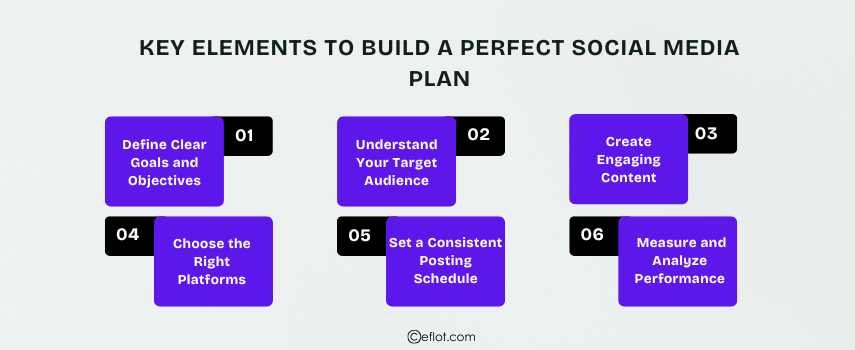
1. Define Clear Goals and Objectives
Before you create content, it’s important to know why you’re on social media. Your social media should align with your overall business objectives. Are you trying to increase brand awareness or drive sales? Establishing clear goals allows you to measure success and ensure your efforts are in the right direction.
2. Understand Your Target Audience
Social media is only effective if you know who you're talking to. Without a clear understanding of your target audience, your content won’t resonate, and your engagement rates will suffer. Research and define your audience based on factors like age, location, interests, and purchasing behavior. This helps you create content that speaks directly to their needs and desires.
3. Create Engaging Content
Content is at the heart of your social media. The type of content you share should align with your audience’s interests and your goals. Popular content types include videos, infographics, customer stories, and interactive polls. Don't forget to balance promotional content with engaging, informative, or entertaining posts.
4. Choose the Right Platforms
Different platforms attract different types of audiences. For example, Instagram is more visual and popular with younger audiences, while LinkedIn is ideal for B2B businesses and professionals. Your social media should identify which platforms your target audience frequents most and tailor your content accordingly.
5. Set a Consistent Posting Schedule
Timing is key when it comes to social media. Posting consistently helps you stay visible in your audience’s feed and increases engagement. Your social media should include a posting schedule that takes into account the best times for engagement on each platform.
6. Measure and Analyze Performance
To understand the effectiveness of your social media, you need to track key performance metrics like engagement rates, traffic, conversion rates, and ROI. Use analytics tools like Google Analytics, Facebook Insights, and Twitter Analytics to monitor your performance. By measuring your results, you can optimize future campaigns and improve your strategy over time.
A well-structured social media plan is vital for driving business success in today’s digital world. By setting clear goals, understanding your audience, creating compelling content, and choosing the right platforms, you can maximize the impact of your social media marketing efforts.
Ready to start building your social media plan? Reach out to us at [email protected] to create a customized strategy tailored to your business needs and goals. Don’t wait to start growing your business on social media today!
Digital Marketing services in Other Locations in India
Bangalore | Hyderabad | Chennai | Pune | Ahmedabad | Coimbatore | Mumbai | Kolkata | Patna | Amritsar | Indore | Kozhikode | Trivandrum | Jaipur | Nagpur | Gwalior | Dehradun | Noida | Vizag | Raipur | Agra | Gurgaon | Madurai | Udaipur | Thrissur |