





















Ethical AI SEO Practices & Google Compliance
Learn how to use AI for SEO ethically while staying fully compliant with Google guidelines to boost rankings safely and effectively.
Instant Gains can Backfire Fast. Using AI or shortcuts to manipulate SEO might give quick results, but Google penalties can hit without warning, causing sudden drops in traffic and visibility. Following ethical AI SEO practices helps you stay compliant, build trust, and keep your rankings steady over time.
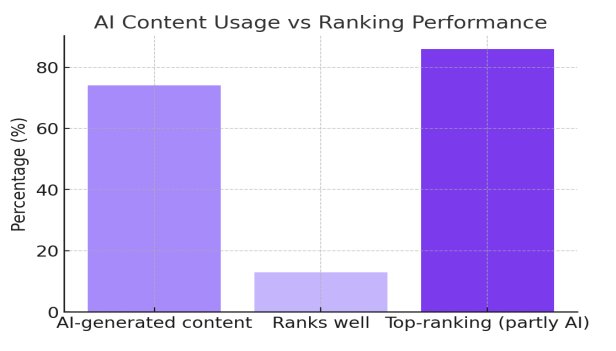
Around 74% of new web content uses AI, but only 13% ranks well. Most top-ranking content (86%) is partly AI-generated and focuses on quality and user intent.
Why Ethical AI SEO is Important for Businesses
Even with consistent SEO (Search Engine Optimization) and marketing efforts, websites can get very little traffic, and investments may not show the results you expect. For instance, some mid-sized Indian e-commerce brands saw only small changes in their audience engagement, despite posting regularly.
Ethical AI SEO practices can change this. When applied responsibly, AI can:
-
Handle repetitive SEO tasks automatically
-
Spot trends and opportunities quickly
-
Help create content that genuinely helps users
The aim isn’t to trick search engines. It’s about creating steady, reliable growth, following Google’s guidelines, and earning your audience’s trust.
The Role of AI in Shaping SEO Strategies
AI is changing how SEO works. It adds accuracy, speed, and useful insights, helping businesses make better decisions. Here’s how it helps:
How AI Analyzes Data and Finds Trends
-
Processes large amounts of search and user data quickly
-
Spots patterns that are hard for humans to notice
-
Identifies keyword trends and changes in user behavior
-
Helps focus SEO efforts on what matters most
AI in Keyword Research and Content Recommendations
-
Suggests high-performing keywords and topics
-
Provides ideas to improve content
-
Needs human review to keep recommendations relevant
-
Aligns with user intent for real value
AI for Technical SEO
-
Checks site issues and audits technical setup
-
Improves page speed and structured data
-
Lets SEO teams focus on strategy and content quality
-
Keeps websites following Google’s technical standards
How AI Can Improve Content Quality for SEO
AI can help improve content, but only when used responsibly.
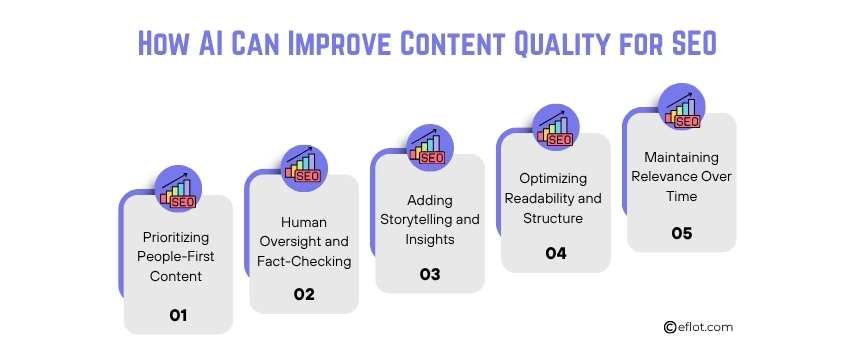
1. Prioritizing People-First Content
Focus on creating content that genuinely answers user questions, not just to rank higher.
2. Human Oversight and Fact-Checking
Humans review AI output to correct errors and maintain the brand’s voice.
3. Adding Storytelling and Insights
Use AI drafts as a base, then add examples, stories, and unique perspectives.
4. Optimizing Readability and Structure
AI can suggest headings, bullet points, and summaries to make content easy to scan.
5. Maintaining Relevance Over Time
AI helps spot trends, but human updates keep content accurate and up to date.
How to Implement Ethical AI SEO
Implementing AI in SEO is not just about technology, it’s about ethics, strategy, and human oversight.
Step-by-Step Strategy
-
Audit Current SEO Practices: Identify areas where AI can help without compromising ethical standards.
-
Define Content Goals: Focus on user intent, not just rankings.
-
Select AI Tools Wisely: Choose reputable tools for keyword research, content analysis, and technical SEO.
-
Maintain Human Oversight: Every AI-generated output should be reviewed for accuracy, relevance, and originality.
-
Continuous Monitoring: Regularly track performance, make adjustments, and refine AI applications.
Tools and Technologies
-
AI keyword research tools (e.g., SEMrush, Ahrefs AI features)
-
Content optimization tools (e.g., Clearscope, SurferSEO)
-
Technical SEO automation (e.g., Screaming Frog, Sitebulb with AI analytics)
Best Practices
-
Ensure transparency in AI usage for content creation
-
Mitigate algorithmic bias in AI outputs
-
Protect user data according to GDPR and other regulations
How to Comply with Google AI SEO Guidelines
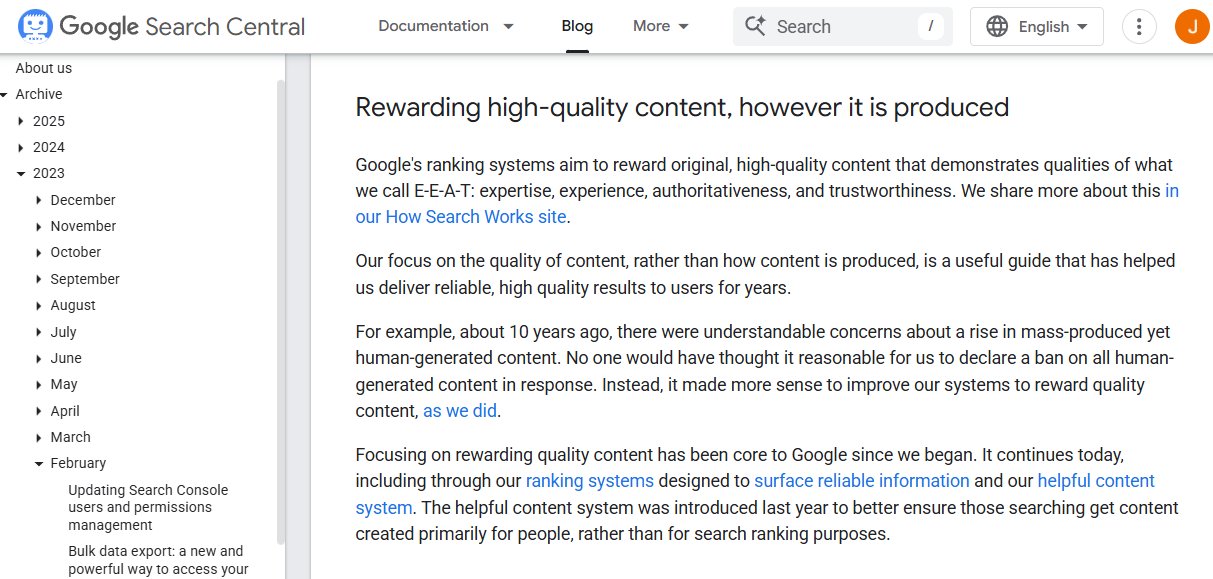
Google has made it clear that high-quality content is what truly matters, no matter how it’s produced. According to a recent Google Search Central blog update, their ranking systems reward content that demonstrates expertise, experience, authoritativeness, and trustworthiness (E-E-A-T).
The snap below highlights Google’s official stance:
What’s Allowed
AI practices that follow Google’s rules, provide real value, and avoid manipulative tactics.
-
Helpful AI content – When you create a product guide using AI that genuinely answers customer questions, it is allowed.
-
Automation for technical tasks – Assume you use AI to check broken links or generate structured data; this is permitted.
-
Drafts improved by humans – Using AI to draft a blog, then reviewing it with examples and facts, keeps it compliant.
What’s Not Allowed
AI practices that manipulate rankings, produce low-quality content, or mislead users.
-
Mass-produced, low-quality content – Publishing dozens of similar AI articles just to rank may trigger penalties.
-
Keyword stuffing or deceptive tactics – Repeating keywords excessively to trick search engines is prohibited.
-
Misleading or plagiarized content – Copying AI content from another site can lead to penalties.
Tracking Performance
Measuring results in an ethical way to understand what works and improve strategies.
-
Check traffic and engagement – When users leave your AI-written guide quickly, consider revising it.
-
Monitor search rankings – Tracking keywords over time helps evaluate which strategies work best.
-
Share transparent reports – Providing clear results to clients builds trust and accountability.
Risks of Unethical AI
Negative consequences from misusing AI in SEO.
-
Search penalties – Google may lower Google rankings if content appears spammy.
-
Loss of trust – Readers may stop visiting your site when content seems low-quality or misleading.
-
Legal issues – Using copyrighted material without permission can cause legal trouble.
Staying Safe with AI SEO
Best practices for using AI responsibly and effectively.
-
Always review AI content – Checking facts and relevance keeps content reliable.
-
Focus on user experience – Content that genuinely answers questions keeps readers engaged.
-
Follow Google’s guidelines – Regularly updating practices based on Google rules reduces risk.
FAQs
Does Google penalize AI content for SEO?
Google doesn’t penalize AI content automatically. What matters is quality and intent low-quality, misleading, or spammy content can trigger penalties, while helpful, accurate AI-assisted content is allowed.
What are the ethics of Google AI?
Google AI ethics focus on transparency, fairness, and user safety. This means creating content and tools that are truthful, unbiased, and respect privacy while avoiding manipulative tactics.
How is Google AI affecting SEO?
Google AI improves how search evaluates content, favoring helpful, relevant, and user-focused material. It pushes marketers to focus on quality and ethical practices rather than shortcuts or keyword stuffing.
Can AI-generated content rank on Google?
Yes, AI-generated content can rank if it is accurate, valuable, and written with human oversight. The key is ensuring it meets user intent and follows Google’s quality guidelines.
How can businesses stay safe with AI SEO?
Businesses should review AI outputs, focus on creating useful content, and avoid manipulative tactics. Ethical practices reduce risk of penalties and maintain trust with users and search engines.
Using AI ethically in SEO helps create content that genuinely serves users and follows Google’s guidelines. Responsible AI use builds trust, improves results, and protects your brand from penalties.
Digital Marketing services in Other Locations in India
Bangalore | Hyderabad | Chennai | Pune | Ahmedabad | Coimbatore | Mumbai | Kolkata | Patna | Amritsar | Indore | Kozhikode | Trivandrum | Jaipur | Nagpur | Gwalior | Dehradun | Noida | Vizag | Raipur | Agra | Gurgaon | Madurai | Udaipur | Thrissur |