





















Why Search Engine Optimization is Important?
Discover why search engine optimization is crucial for online visibility, increased traffic, and better rankings for your website.

Search Engine Optimization, commonly known as SEO, plays a pivotal role in driving traffic and enhancing online visibility. In the digital world, where billions of websites compete for attention, SEO ensures that your content reaches the right audience. With businesses and brands vying to rank high on search engines like Google, Yahoo, and Bing, SEO acts as the guiding force behind online success.
Search Engine Optimization refers to a set of practices designed to improve a website’s ranking on search engine results pages (SERPs). By aligning content with the algorithms used by search engines, businesses can enhance their site’s relevance, authority, and trustworthiness. Unlike paid advertising, SEO is an organic way to drive traffic, making it an essential component of any digital marketing strategy.
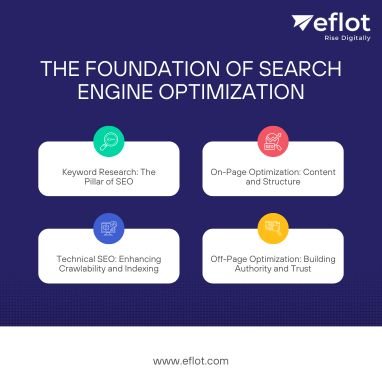
The Foundation of Search Engine Optimization
Effective SEO is built on several core elements. These elements focus on improving the overall user experience while helping search engines find and rank content. Let's explore the fundamental aspects of SEO that contribute to online success.
Keyword Research: The Pillar of SEO
Keyword research remains a cornerstone of SEO. Understanding the words and phrases your target audience uses when searching online can drive relevant traffic to your website. By strategically placing these keywords within your content, titles, and meta descriptions, you increase the chances of appearing higher on SERPs.
-
Short-tail vs. Long-tail Keywords: Short-tail keywords are general search queries consisting of one or two words, while long-tail keywords are longer and more specific. Using a combination of both types enhances your content’s visibility to different user search intents.
On-Page Optimization: Content and Structure
On-page optimization involves refining elements on your website to improve its performance and user experience. From ensuring that titles and headers contain relevant keywords to optimizing meta descriptions and alt text for images, these efforts help search engines understand what your content is about.
-
Optimized Headings (H1-H6): The correct use of headings not only enhances readability but also gives search engines a clearer structure of your content.
-
High-Quality Content: The content must be informative, unique, and valuable to the reader. Search engines prefer well-researched and up-to-date content that addresses user needs.
Technical SEO: Enhancing Crawlability and Indexing
Technical SEO focuses on improving the backend elements of your website. These changes might not be visible to users, but they significantly impact your site's performance on search engines.
-
Site Speed: Search engines prioritize fast-loading websites. Optimizing images, compressing files, and minimizing JavaScript helps improve site speed.
-
Mobile Optimization: With the rise of mobile searches, ensuring that your website is responsive and mobile-friendly is critical.
-
XML Sitemaps: An XML sitemap provides search engines with a roadmap of your website, allowing for better indexing of your pages.
-
Robots.txt: This file tells search engine crawlers which pages they should and shouldn’t crawl on your site.
Off-Page Optimization: Building Authority and Trust
Off-page SEO includes activities that occur outside your website but contribute to your site's authority and ranking. These tactics aim to show search engines that your website is trusted by others on the web.
-
Backlinking: High-quality backlinks from authoritative sites signal to search engines that your content is reliable and valuable. The more reputable the site that links to you, the better.
-
Social Signals: Social media shares and engagement also contribute to SEO rankings by demonstrating that people are interacting with your content.
-
Guest Posting: Writing for other blogs or websites and including links back to your site can drive traffic and improve your SEO authority.
SEO and Website Visibility
Without SEO, even the best-designed website can remain invisible to potential visitors. Search engines use algorithms that take into account hundreds of factors, from keyword relevance to website structure, when determining which pages to display.
A website optimized for SEO is easier to discover through organic searches, allowing more users to engage with your content. Visibility on search engines increases the likelihood of being chosen over competitors. The goal is to appear on the first page of SERPs since most users rarely venture beyond the first few results.
Ranking Factors that Influence Visibility
-
Keyword Optimization: Keywords are the terms that people enter into search engines. Properly optimized content ensures that your website matches the intent behind these searches.
-
Mobile Optimization: Websites must be mobile-friendly, as search engines like Google prioritize mobile-first indexing.
-
Page Speed: Fast loading speeds ensure that visitors have a smooth experience, which is critical in preventing high bounce rates.
Organic Traffic and User Engagement
Organic traffic refers to visitors who arrive at your site without paid ads. This traffic is particularly valuable because these visitors are genuinely interested in the information, products, or services you offer.
The Role of High-Quality Content
Quality content is a vital component of driving organic traffic. If users find your content helpful and engaging, they are more likely to spend time on your site, return for more, and recommend it to others. Using an article rewriter can help ensure your content remains fresh and unique, which search engines reward by ranking your site higher.
User Experience and SEO
The user experience (UX) goes hand-in-hand with SEO. Good SEO practices improve navigation, page loading speeds, and mobile responsiveness, all of which contribute to a positive user experience. Sites that provide a better UX often see lower bounce rates and longer session durations—both factors that search engines take into account when ranking pages.
How SEO Impacts Your Digital Marketing Strategy
Incorporating SEO into your digital marketing strategy is no longer optional; it’s essential. Businesses that fail to optimize their websites for search engines risk falling behind competitors who understand the value of SEO.
Boosts Organic Traffic
Organic traffic refers to visitors who find your website through unpaid search engine results. SEO helps you attract this type of traffic by improving your site's visibility on SERPs. The higher you rank, the more likely users will click on your link, leading to increased traffic without the need for paid advertising.
Enhances User Experience
SEO isn’t just about search engines; it’s also about the user experience. A well-optimized website that loads quickly is easy to navigate, and provides valuable content will keep users engaged. This reduces bounce rates and encourages repeat visits, both of which contribute to higher rankings.
Increases Conversion Rates
SEO drives targeted traffic, meaning that the users who visit your site are more likely to convert. Whether your goal is to sell products, generate leads, or build a subscriber base, SEO can help you attract visitors who are already interested in what you offer.
Strengthens Brand Awareness
As your website climbs the SERP rankings, more people will become familiar with your brand. Even if they don’t click on your link initially, seeing your name repeatedly increases brand recognition, which can lead to future interactions.
SEO Best Practices for 2024 and Beyond
As search engine algorithms evolve, staying updated on SEO best practices is crucial for maintaining and improving your rankings.
Prioritize User Intent
Google’s algorithms have become more sophisticated, focusing on delivering content that aligns with user intent. Instead of targeting keywords in isolation, create content that answers the specific questions your audience has. By prioritizing user intent, your content becomes more relevant and valuable to search engines.
Invest in Quality Content
Content quality is more important than ever. Long-form, in-depth articles that provide comprehensive insights tend to rank higher on search engines. In addition to being informative, your content should be engaging, well-researched, and tailored to your audience's needs.
Optimize for Voice Search
With the rise of digital assistants like Siri, Alexa, and Google Assistant, voice search has become increasingly popular. Optimizing your content for voice search involves focusing on natural language and long-tail keywords that reflect how people speak rather than type.
Leverage Video Content
Video content is a powerful tool for SEO. Websites with video content tend to rank higher, and videos also appear in Google's search results. Optimizing video descriptions, titles, and tags with relevant keywords can improve your visibility across multiple search platforms.
FAQs on Why SEO Is Important
What makes SEO so essential in digital marketing?
SEO is vital because it helps improve website visibility, increases organic traffic, and enhances user experience. Without SEO, websites would struggle to gain the attention of search engines and users, limiting their potential reach.
How does SEO affect a business’s online success?
SEO drives traffic, leads, and conversions, directly contributing to business success. A website that ranks well for its target keywords is more likely to attract users interested in the products or services offered, leading to higher revenue.
Is SEO a long-term strategy?
Yes, SEO is a long-term strategy. It requires consistent effort, from creating new content to updating existing pages and monitoring performance. However, the results are sustainable, and sites that implement strong SEO practices can maintain high rankings over time.
Can I rely solely on SEO for my marketing?
While SEO is critical, it should be part of a comprehensive marketing strategy. Combining SEO with other digital marketing tactics, such as social media marketing, email marketing, and paid advertising, ensures a balanced approach that reaches a broader audience.
How often should I update my SEO strategy?
Search engines update their algorithms frequently, so it’s essential to review and adjust your SEO strategy regularly. Staying informed about changes in SEO trends and best practices ensures your site remains competitive in search rankings.
Search Engine Optimization is the backbone of online visibility and success. By implementing the right SEO strategies, businesses can drive organic traffic, increase conversions, and enhance their digital presence. Whether you're focusing on on-page, off-page, or technical SEO, the benefits of optimizing your website for search engines cannot be overstated. As algorithms evolve and user behavior changes, staying updated on SEO best practices will ensure continued growth and success in the digital environment.
Digital Marketing services in Other Locations in India
Bangalore | Hyderabad | Chennai | Pune | Ahmedabad | Coimbatore | Mumbai | Kolkata | Patna | Amritsar | Indore | Kozhikode | Trivandrum | Jaipur | Nagpur | Gwalior | Dehradun | Noida | Vizag | Raipur | Agra | Gurgaon | Madurai | Udaipur | Thrissur |