














AI Content Optimization for Higher Google Ranking
AI content optimization improves Google rankings with clear, structured content, multimedia, and actionable insights for better search performance.
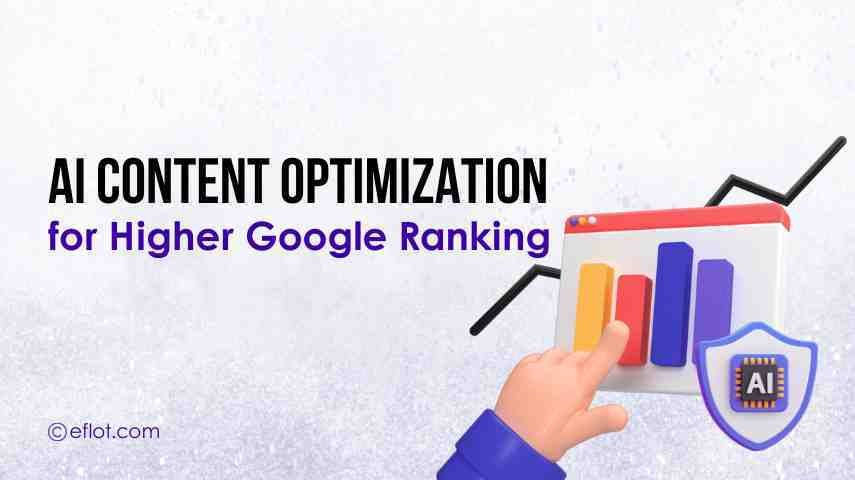
Publishing Quality Content but still Not Appearing on Google’s First Page? It’s a Common Frustration, Right? Low visibility, declining clicks, and wasted marketing efforts often happen because the content isn’t fully optimized for how search engines interpret relevance today. The solution lies in combining clear, structured content with insights from AI content optimization tools to improve visibility and engagement.
Studies suggest that websites using structured content and AI-driven optimization see up to 35% higher organic traffic and 25% more user engagement compared to standard content strategies.
How Google Ranks Content
Google now focuses on Relevance, Quality, and User Experience, not just keywords.
Here are the key factors that influence rankings:
-
Search Intent Match: Pages that directly answer what users are looking for tend to rank higher.
-
Content Depth and Structure: Clear headings, short paragraphs, and bullet points make content easy to read and understand.
-
E-E-A-T Principles: Google rewards content that shows Experience, Expertise, Authoritativeness, and Trustworthiness. Real examples help strengthen credibility.
-
User Engagement: Metrics like time spent on page, click-through rate, and bounce rate signal how useful the content is.
-
Technical SEO: Fast-loading, secure, and mobile-friendly pages perform better in search results.
Example:
Flipkart structures product pages with reviews, FAQs, and detailed descriptions, making it easier for users to find what they need. This clarity improves both user trust and search visibility.
Using professional SEO services can help implement these best practices effectively, ensuring content is optimized for both search engines and readers.
The Role of AI in Content Optimization
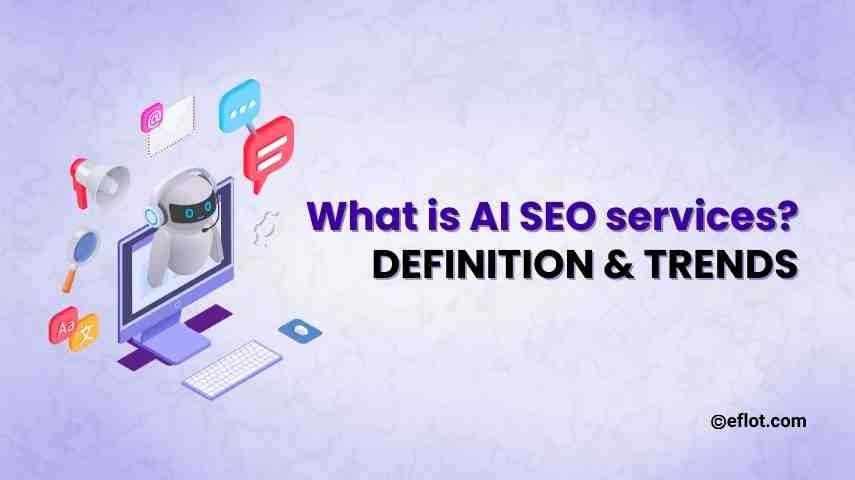
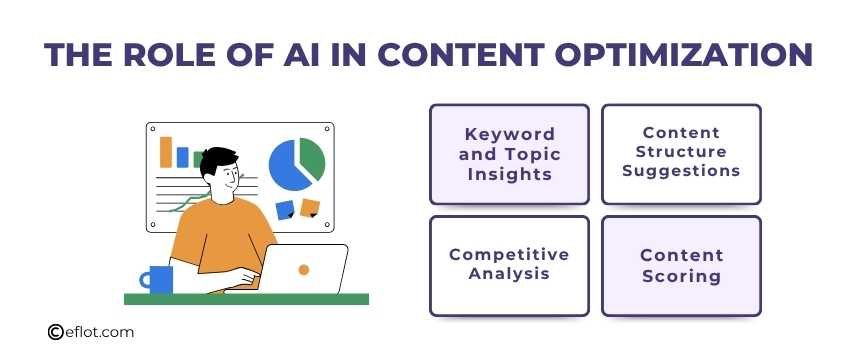
AI has transformed content creation, analysis, and refinement. An AI digital marketing agency can use ai content optimization tools to identify content gaps, track audience behavior, and suggest improvements for better search performance.
Some practical applications include:
-
Keyword and Topic Insights: AI examines search trends and identifies topics that resonate with the audience.
-
Content Structure Suggestions: Recommendations for headings, paragraph lengths, and flow improve readability and SEO impact.
-
Competitive Analysis: Comparing content against competitors highlights areas for improvement.
-
Content Scoring: Evaluating the quality, relevance, and comprehensiveness of content helps prioritize adjustments.
Swiggy, used AI insights to refine blog content around food delivery, local restaurant reviews, and seasonal promotions. Within months, organic traffic increased by over 35%.
Using AI content optimization tools makes content more aligned with both search engine requirements and reader expectations.
The Importance of Multimedia and Structured Data in Rankings
Content today isn’t just about words, visuals and data structure play a major role in how search engines and users perceive value.
-
Images and Videos: Visual elements grab attention, explain ideas faster, and increase time spent on a page.
-
Infographics: They turn complex data into quick, shareable insights that attract backlinks and improve engagement.
-
Structured Data (Schema Markup): This helps Google understand context, from product details to reviews, and enables rich snippets in search results.
-
Interactive Elements: Features like carousels or embedded videos can make content more dynamic and improve user retention.
Zomato is a strong example, its pages use structured data, high-quality visuals, and user reviews to create informative, engaging listings that consistently appear in top results. AI content optimization tools can help identify which visuals, formats, and schema types will have the biggest SEO impact.
How to Optimize Content for Answer Engine Optimization
Answer Engine Optimization (AEO) focuses on delivering direct, concise answers to user queries. AI plays a crucial role in this process:
-
Identify Frequently Asked Questions: AI analyzes search data to pinpoint common queries.
-
Provide Clear Answers Immediately: Summarize responses at the top of content for better visibility.
-
Use Structured Headings: Organize content with H2s, H3s, and bullet points for clarity.
-
Include Related Terms Naturally: Contextual keywords help Google understand the topic more thoroughly.
Paytm uses structured FAQs and AI-driven insights to answer common payment-related questions, improving long-tail search visibility and click-through rates. AI content optimization tools assist in refining headings, paragraph flow, and keyword integration to improve AEO performance.
The Importance of Clear Answers and Structured Content
Google favors content that is easy to read, organized, and provides direct answers. Best practices include:
-
Concise Opening Paragraphs: Highlight key answers within the first few sentences.
-
Logical Flow: Use headings and subheadings to match user intent.
-
Lists and Tables: Break down information for quicker understanding.
-
Relevant Links: Internal and external references provide context and credibility.
Hindustan Unilever, structures content hubs and product pages with summaries, step-by-step guides, and clear headings. This approach improves both user experience and search authority. Combining human editing with insights from ai content optimization tools ensures content is clear, useful, and aligned with SEO goals.
FAQs
Can AI-generated content rank better on Google?
Yes. AI-generated content can rank well if it’s original, accurate, and created for users, not search engines. Google rewards helpful, people-first content, regardless of how it’s produced.
How to use AI to rank higher on Google?
Use AI to analyze search intent, identify content gaps, and structure articles for clarity. Combine AI insights with human editing for accuracy and relevance.
Does Google allow AI content for SEO?
Yes. Google allows AI-generated content as long as it meets quality standards and follows E-E-A-T principles, Experience, Expertise, Authoritativeness, and Trustworthiness.
How to optimize for Google AI?
Create concise, structured content that directly answers queries. Use schema markup, multimedia, and internal links to help Google AI understand your page context.
What are the best AI content optimization tools?
Top AI content optimization tools include SurferSEO, Clearscope, MarketMuse, and Frase, they help refine keyword use, improve readability, and match Google’s ranking patterns.
AI-driven content isn’t about replacing human creativity, it’s about guiding it with data. When content is clear, structured, and user-focused, both readers and search engines respond better.
Digital Marketing services in Other Locations in India
Bangalore | Hyderabad | Chennai | Pune | Ahmedabad | Coimbatore | Mumbai | Kolkata | Patna | Amritsar | Indore | Kozhikode | Trivandrum | Jaipur | Nagpur | Gwalior | Dehradun | Noida | Vizag | Raipur | Agra | Gurgaon | Madurai | Udaipur | Thrissur |