
















Choose the Best Types of SEO for Your Business
Discover different types of SEO to match your business needs and goals. Learn which strategies work best for your specific industry.

Why isn’t your website showing up on Google? Competitors grab all the clicks while you stay invisible.
-
Tried SEO but see no results?
-
Leads not coming in?
The fix: Use the right search engine optimization (SEO) strategy. It drives traffic, increases leads, and grows sales, without wasting time.
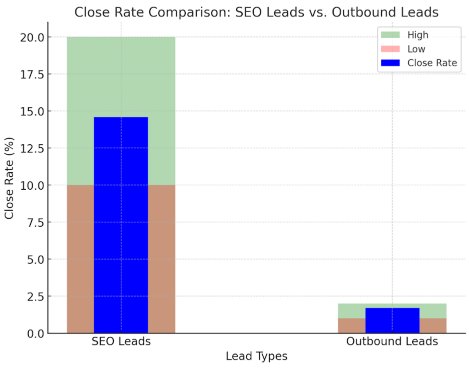
In fact, 53% of website traffic comes from organic search. SEO leads convert at 14.6% vs 1.7% for cold calls.
One prime example of a company that successfully uses all types of SEO is Amazon. Amazon dominates search engine results due to its comprehensive SEO strategy, which includes a combination of on-page SEO, off-page SEO, and technical SEO.
-
On-Page: Amazon optimizes product pages with detailed descriptions, customer reviews, and keyword-rich titles.
-
Off-Page: The company benefits from countless backlinks from trusted websites, as well as a strong presence on social media platforms.
-
Technical: Amazon’s website is fast, mobile-friendly, and optimized for search engines, ensuring that users can find products quickly and easily.
By leveraging these types of SEO, Amazon has managed to not only dominate search rankings but also drive massive traffic, making it one of the most successful e-commerce platforms in the world.
What Are the Types of SEO?
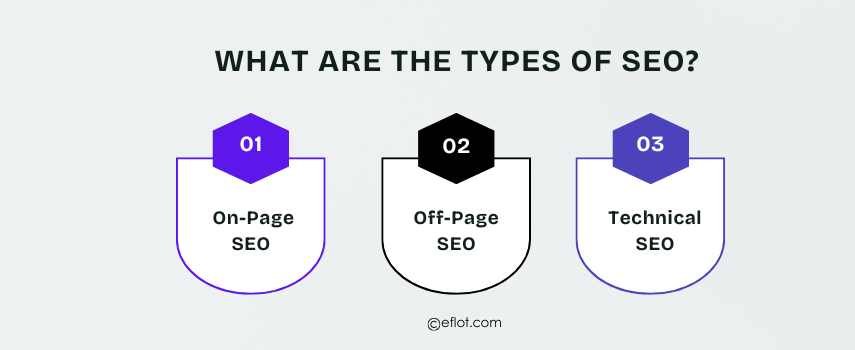
To get the most out of your SEO strategy, it's important to understand the different types of SEO and how they contribute to improving your site's ranking on search engines. The three main categories of SEO include on-page SEO, off-page SEO, and technical SEO. Each type plays a unique role in improving your website’s visibility and driving traffic.
1. On-Page SEO
On-page SEO refers to the tactics used within your website to optimize its content and structure, making it more appealing to search engines and users alike. This type of SEO focuses on individual pages of your website and ensures they are optimized for specific keywords and topics that your target audience is searching for. Some key aspects of on-page SEO include:
-
Keyword Optimization: Incorporating relevant keywords into titles, headings, and content, ensuring they are naturally placed and not overstuffed.
-
Content Quality: Creating high-quality, valuable content that answers user queries and provides detailed, informative answers.
-
Internal Linking: Linking to other pages within your website to improve navigation and help search engines crawl and index your pages more effectively.
-
Mobile Optimization: Ensure your website is mobile-friendly, as search engines like Google prioritize mobile-friendly sites.
By optimizing your website's content, you're not only improving your chances of ranking higher on search engines but also providing a better user experience, which is critical for engagement and conversions.
2. Off-Page SEO
Off-page SEO involves the activities that take place outside of your website but have a direct impact on its search rankings. The primary focus of off-page SEO is building your website’s authority and trustworthiness, which search engines use to determine how reliable and credible your content is. The most important factor in off-page SEO is backlinks, which are links from other websites that point to your pages. Backlinks act as a vote of confidence for your website, signaling to search engines that your content is valuable and worth sharing.
Key strategies for off-page SEO include:
-
Link Building: Acquiring high-quality backlinks from authoritative sites in your industry.
-
Social Media Engagement: Promoting your content on social media platforms to increase visibility and encourage sharing.
-
Guest Blogging: Writing articles for reputable websites in your industry and including backlinks to your site.
-
Influencer Marketing: Partner with influencers in your industry to help spread awareness of your brand and earn backlinks.
A strong off-page SEO strategy helps establish your website as an authority in your niche, which leads to better search rankings and more organic traffic.
3. Technical SEO
Technical SEO focuses on the backend of your website, ensuring that search engines can crawl and index your site efficiently. While on-page SEO deals with the content and structure of individual pages, technical SEO addresses the broader site-wide elements that impact your site's performance and accessibility.
Key aspects of technical SEO include:
-
Site Speed: Ensure that your website loads quickly, as slow loading times can hurt user experience and rankings.
-
Mobile-Friendliness: Make sure your website is optimized for mobile devices, especially as search engines like Google use mobile-first indexing.
-
XML Sitemaps: Submitting a sitemap to search engines helps them crawl and index your pages more effectively.
-
Structured Data (Schema Markup): Adding code to your pages to help search engines understand the content more effectively and display rich snippets in search results.
-
Fixing Crawl Errors: Ensuring that search engines can crawl all of your pages and identifying and fixing any broken links or 404 errors.
Digital Marketing services in Other Locations in India
Bangalore | Hyderabad | Chennai | Pune | Ahmedabad | Coimbatore | Mumbai | Kolkata | Patna | Amritsar | Indore | Kozhikode | Trivandrum | Jaipur | Nagpur | Gwalior | Dehradun | Noida | Vizag | Raipur | Agra | Gurgaon | Madurai | Udaipur | Thrissur |