

















How to Create a Social Media Content Strategy in 8 Steps
Learn how to create a successful social media content strategy in 8 simple steps to grow your audience, boost engagement, and achieve your business goals.

Businesses need to be strategic about how they present themselves online. Randomly posting without a clear plan can lead to wasted time and missed opportunities. This is where a solid social media content strategy becomes essential. A well-thought-out strategy helps businesses connect with their audience, build brand awareness, and achieve specific marketing goals. Whether you're a small business owner or managing a growing brand, creating and following structured social media content strategies is key to standing out in the crowded digital environment.
From my experience as a digital marketing specialist, I’ve seen many brands struggle with social media because they lack a clear plan. Some would post inconsistently, while others would share content that didn’t align with their brand’s voice or audience’s interests. Conversely, I’ve worked with brands that started seeing incredible results after implementing a strategic approach. Their engagement rates improved, website traffic increased, and they built stronger customer relationships. These success stories all began with one crucial step, developing clear and focused social media content strategies. These steps will help you set goals, understand your audience, create engaging content, and measure your results. Whether you're new to social media marketing or looking to improve your existing strategy, here I will share with you the tools you need to grow your online presence and achieve your business goals.
What Is a Social Media Content Strategy?
A social media content strategy is a detailed plan that outlines how a brand will use social media platforms to achieve its marketing goals. It includes creating and sharing content that engages your audience, aligns with your brand voice, and supports your overall business objectives. A well-crafted social media content strategy also helps in identifying the right platforms for your target audience, setting clear goals, and tracking performance. It ensures consistency in messaging and maximizes engagement, ultimately driving brand growth and customer loyalty.
Types of Social Media Content Strategies
-
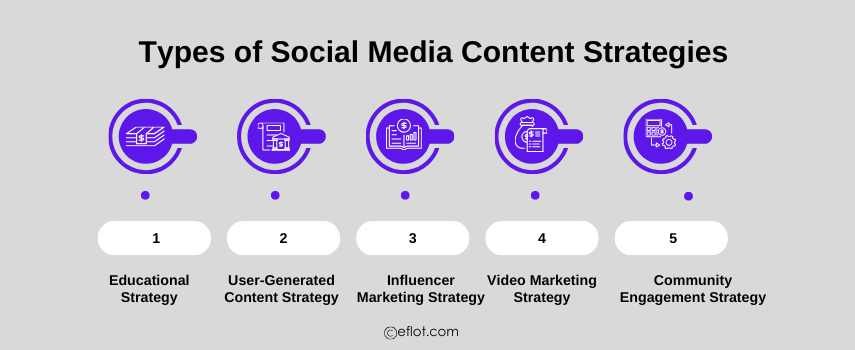
Educational Strategy: Focuses on delivering value through informative content like tutorials, tips, and guides.
-
User-Generated Content Strategy: Encourages customers to share content that features your brand.
-
Influencer Marketing Strategy: Partners with influencers to reach new audiences.
-
Video Marketing Strategy: Uses short-form and long-form videos to engage and inform.
-
Community Engagement Strategy: Builds online communities through discussions, groups, and interactive posts.
Importance of Creating a Social Media Content Strategy
Having a clear social media content strategy is essential because it:
-
Aligns Content with Business Goals: Every post contributes to a larger objective. It also ensures that all marketing efforts are interconnected, creating a unified brand message across channels.
-
Builds a Strong Brand Identity: Consistency in tone, visuals, and messaging builds trust. This consistency not only helps in creating a recognizable brand identity but also builds trust and credibility with your audience.
-
Drives Better Results: Measurable strategies lead to higher engagement and ROI. A content strategy allows you to focus on what works and eliminate what doesn’t.
-
Saves Time and Resources: Planned content avoids last-minute chaos and improves efficiency. This not only saves time but also ensures that you make the most out of your marketing budget and resources.
Why Do You Need a Social Media Content Strategy?
1. Consistency Builds Trust
Posting content regularly helps build trust with your audience. A content strategy ensures you stay consistent, keeping your audience engaged and your brand top-of-mind.
2. Align content with Business Goals
Every post should serve a purpose. A well-planned social media content strategy ensures that your content aligns with your business objectives, whether that’s increasing sales, generating leads, or boosting brand awareness.
3. Improves Audience Engagement
Understanding what your audience likes allows you to create content that resonates. A strategy helps you engage with your audience through relevant and valuable content.
4. Maximizes Efficiency
With a content calendar and clear goals, you can plan and schedule content in advance. This saves time and helps maintain a consistent online presence.
5. Tracks and Measures Results
A content strategy includes performance metrics, helping you understand what’s working and what isn’t. This allows you to make data-driven decisions to improve future campaigns.
8-Step Process to Create Your Social Media Content Strategy
Step 1: Define Clear and Measurable Goals
Start by setting clear goals that align with your overall marketing objectives. Your goals could be to increase brand awareness, drive website traffic, generate leads, or boost sales.
Use the SMART Goal Framework:
-
Specific: Clearly define what you want to achieve.
-
Measurable: Identify metrics to track progress.
-
Achievable: Set realistic goals based on your resources.
-
Relevant: Align goals with business objectives.
-
Time-bound: Set deadlines for achieving goals.
Step 2: Understand Your Target Audience
Knowing who you’re speaking to is critical. Conduct audience research to identify your ideal customers, their interests, behaviors, and online habits.
How to Understand Your Audience:
-
Analyze audience insights on platforms like Instagram and Facebook.
-
Conduct surveys and polls to gather feedback.
-
Create detailed customer personas.
Step 3: Choose the Right Platforms
Not every social media platform will be right for your business. Choose platforms where your audience is most active.
Popular Platforms:
-
Instagram & TikTok: Best for visual and lifestyle brands.
-
LinkedIn: Ideal for B2B marketing.
-
Facebook: Good for community building and ads.
-
Twitter/X: Effective for real-time updates and trending topics.
-
YouTube: Great for video marketing.
Step 4: Perform a Content Audit
Review your past social media posts to identify what worked and what didn’t. This will help you refine your strategy.
What to Analyze:
-
Which content types gained the most engagement?
-
What times and days worked best for posting?
-
Are there any gaps in the content being shared?
Step 5: Plan and Create Engaging Content
Create a variety of content types to keep your audience engaged. Balance promotional content with informative and entertaining posts.
Types of Content:
-
Educational: How-to guides, tutorials, and industry tips.
-
Entertaining: Memes, challenges, and interactive posts.
-
Inspirational: Customer success stories and quotes.
-
Promotional: New product launches, sales, and special offers.
Step 6: Build a Content Calendar
A content calendar helps you plan and schedule posts in advance, ensuring consistency and timely execution.
Content Calendar Includes:
-
Posting dates and times.
-
Content topics and formats.
-
Platform-specific content plans.
Use tools like Trello, Google Sheets, or scheduling platforms like Buffer and Hootsuite.
Step 7: Engage with Your Audience
Social media is all about interaction. Respond to comments, reply to messages, and engage with user-generated content.
Ways to Engage:
-
Host Q&A sessions or live videos.
-
Run polls, quizzes, and giveaways.
-
Repost content from followers and customers.
Step 8: Analyze and Optimize Your Strategy
Track your performance regularly to see what’s working. Use analytics tools to measure KPIs like engagement rate, follower growth, and website traffic.
Key Metrics to Track:
-
Engagement Rate: Likes, comments, shares.
-
Reach and Impressions: How many people saw your content?
-
Click-Through Rate (CTR): How many clicked on your links?
-
Conversions: Leads, sign-ups, or sales.
Case Studies
Case Study1:
Glow & Grace is a small handmade jewelry brand that sells handcrafted earrings, necklaces, and bracelets. Although they had beautiful products, their online sales were stagnant, and they struggled to build a strong presence on social media.
Challenges:
-
Inconsistent Posting: No regular content schedule, resulting in low engagement.
-
Lack of Target Audience Understanding: Their content wasn’t tailored to their ideal customer base.
-
Poor Visual Branding: Unclear and inconsistent brand visuals across platforms.
Solutions:
To overcome their challenges, Glow & Grace implemented a comprehensive social media content strategy that focused on consistency, audience engagement, and visual branding. The first step was to define clear goals the brand aimed to increase Instagram followers by 50% and grow website sales by 30% within six months. They then identified their target audience, focusing on fashion-forward women aged 18-35 who value eco-friendly, handmade products.
Case Study2:
FitFusion is a fitness app offering virtual workout classes, personalized training plans, and nutrition advice. Despite having a feature-rich app, they struggled to stand out in the crowded fitness market and gain user downloads.
Challenges:
-
Low Brand Visibility: Struggled to differentiate from competitors.
-
Limited User Engagement: The audience wasn’t engaging with their social media content.
-
No Content Strategy: Inconsistent posting without a clear goal or content theme.
Solutions
To tackle their visibility and engagement issues, FitFusion adopted a focused social media content strategy aimed at increasing app downloads and user engagement. They started by setting specific goals, achieving 10,000 app downloads and a 25% rise in engagement within four months. Next, they identified their target audience as young professionals aged 25-40 interested in health and fitness.
Creating a successful social media content strategy doesn’t have to be overwhelming. By following these eight simple steps defining your goals, knowing your audience, choosing the right platforms, auditing content, creating engaging posts, scheduling wisely, engaging with your audience, and tracking performance you can build a strategy that delivers real results. In my experience, businesses that invest in a clear and consistent social media content strategy not only grow their online presence but also build stronger relationships with their customers. Whether you’re a startup or an established brand, the time to start is now. Apply these steps, stay consistent, and watch your social media impact grow.
Digital Marketing services in Other Locations in India
Bangalore | Hyderabad | Chennai | Pune | Ahmedabad | Coimbatore | Mumbai | Kolkata | Patna | Amritsar | Indore | Kozhikode | Trivandrum | Jaipur | Nagpur | Gwalior | Dehradun | Noida | Vizag | Raipur | Agra | Gurgaon | Madurai | Udaipur | Thrissur |