













The Role of Social Media in Digital Marketing Branding
Learn the power of social media in digital marketing branding to build trust, amplify your brand’s reach, and connect with your audience genuinely.
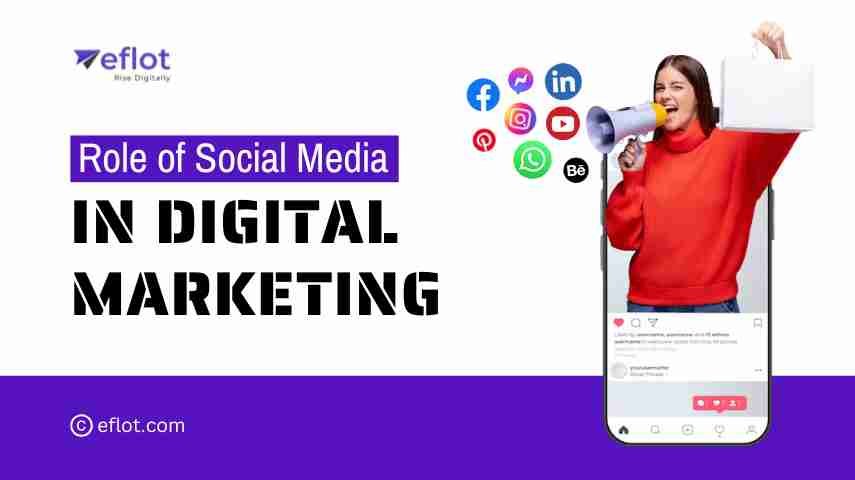
Over the years, I’ve worked with businesses of all sizes, and if there’s one thing that consistently drives growth, it’s social media. When businesses first approach me, many are unsure about how to establish their presence online. Some believe having a website is enough, while others don’t know where to start with digital marketing. However, once we tap into the power of social media, everything changes. As a digital marketing specialist, I’ve seen how the Role of Social Media in Digital Marketing is the most effective tool for building brands, creating awareness, and connecting with audiences.
Social media platforms like Instagram, Facebook, Twitter, and LinkedIn aren’t just about posting updates they’re about building a story and a brand identity that resonates with your target audience. The Role of Social Media in Digital Marketing is essential because it allows brands to interact with their audience on a personal level. Social media drives engagement, fosters loyalty, and builds trust key ingredients for a successful brand. Here I will share how social media has become the backbone of branding strategies in digital marketing and implement actionable ways businesses can use it for success.
Understanding Social Media in Digital Marketing
Social media is an integral part of digital marketing because it serves as a direct link between brands and their audience. It’s where conversations happen, trends are created, and loyalty is built. Let’s look into how social media integrates into digital marketing strategies:
1. Content Distribution
Social media is one of the most effective channels for distributing content, whether it’s blog posts, videos, infographics, or promotional materials. By sharing content on platforms like LinkedIn, Facebook, or Instagram, brands can amplify their reach and drive traffic to their website.
2. Customer Engagement
Unlike other marketing channels, social media allows real-time interaction. Brands can respond to comments, participate in conversations, and address customer concerns, creating a personal connection that fosters loyalty.
3. Personalization
Social media platforms collect user data based on demographics, interests, and behavior. This data allows brands to create highly personalized ad campaigns and content, ensuring their message resonates with the audience.
4. Social Proof
Social media is where customers leave reviews, share testimonials, and recommend brands to their peers. These forms of social proof build trust and credibility, which are crucial for converting potential customers.
5. Visual Storytelling
Platforms like Instagram and Pinterest thrive on visual content, making them perfect for storytelling. Brands can share behind-the-scenes glimpses, product showcases, and customer success stories to create an emotional connection with their audience.
6. Campaign Measurement
Social media platforms provide strong analytics tools to measure the success of campaigns. Businesses can track key metrics like reach, engagement, and conversions to refine their strategies and maximize ROI.
Importance of Social Media in Digital Marketing
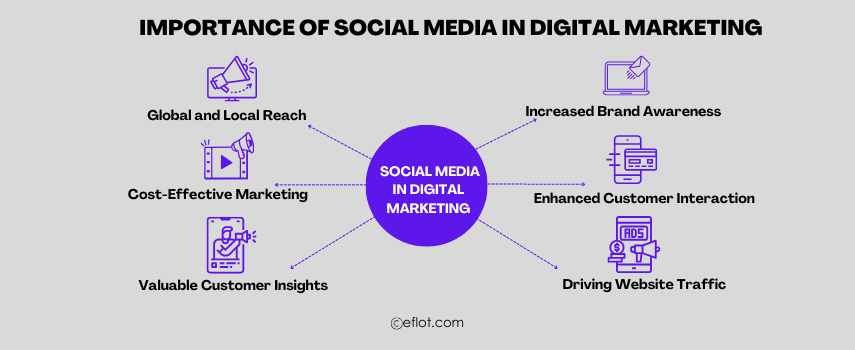
Social media has revolutionized how businesses approach digital marketing. With billions of users globally, platforms like Facebook, Instagram, LinkedIn, and Twitter offer unparalleled opportunities for brands to connect with their audience, build trust, and drive conversions. Here’s why social media is so important in digital marketing:
1. Global and Local Reach
Social media allows businesses to reach a global audience while also targeting specific local markets. Whether you’re a small cafe targeting customers in Bangalore or a global e-commerce brand looking to expand internationally, social media platforms provide the tools to tailor your messaging for different audiences.
2. Increased Brand Awareness
Regular posting, engagement, and advertising on social platforms ensure that your brand remains visible to your audience. According to a recent study, over 54% of social media users use platforms to research products, which makes social media critical for brand discovery.
3. Cost-Effective Marketing
Compared to traditional forms of advertising, social media marketing is cost-effective. Even with a small budget, businesses can run targeted ad campaigns that yield measurable results. Organic methods, like creating engaging content and building a community, offer additional benefits without significant investment.
4. Enhanced Customer Interaction
Social media provides a platform for direct communication with customers. Brands can address queries, respond to feedback, and foster loyalty by engaging with their followers. This two-way communication helps build a deeper connection with the audience.
5. Valuable Customer Insights
Social media platforms provide analytics tools that reveal customer preferences, demographics, and behavior. This data allows businesses to refine their strategies, create personalized content, and offer products or services that truly resonate with their audience.
6. Driving Website Traffic
Social media acts as a gateway to direct traffic to your website or e-commerce store. Sharing blog posts, promotional offers, or product updates with a compelling call-to-action can significantly boost website visits.
The Role of Social Media in Digital Marketing
1. Building Brand Awareness
The first and foremost role of social media in digital marketing is creating brand awareness. Social media platforms allow businesses to reach a massive audience, ensuring their brand remains visible and recognizable.
-
Consistent Posting: Regular updates and engaging content keep your brand in front of your audience.
-
Viral Potential: Creative campaigns and relatable content can go viral, amplifying your brand’s visibility.
-
Hashtag Reach: Using relevant hashtags helps connect your brand with trending topics and broader audiences.
2. Driving Website Traffic
Social media serves as a powerful tool to direct traffic to your website or e-commerce store. By sharing engaging posts, promotions, and links to blog content, businesses can generate significant web traffic.
-
Link Sharing: Adding website links to posts, bios, and stories makes it easy for users to visit your site.
-
Call-to-Actions (CTAs): Clear CTAs, like “Shop Now” or “Learn More,” encourage users to explore your products or services.
3. Enhancing Customer Engagement
Social media enables two-way communication between brands and customers, creating opportunities for real-time engagement.
-
Responding to Queries: Brands can address customer concerns or questions instantly through comments or direct messages.
-
Interactive Content: Polls, quizzes, live videos, and Q&A sessions keep audiences engaged and invested in the brand.
-
User-Generated Content (UGC): Encouraging customers to share their experiences builds trust and creates organic promotion.
4. Building Trust and Credibility
The role of social media in digital marketing goes beyond advertising it’s about building credibility and fostering trust with your audience. Transparency and authenticity are key to establishing a trustworthy brand image.
-
Showcasing Testimonials: Sharing reviews, case studies, or success stories builds confidence in your products or services.
-
Behind-the-Scenes Content: Posting about your team, processes, or events humanizes your brand, making it more relatable.
5. Cost-Effective Marketing
Social media marketing is one of the most cost-effective components of digital marketing. With free account creation and affordable advertising options, businesses of all sizes can reach their target audience without breaking the bank.
-
Organic Reach: Posting high-quality content regularly can generate organic traffic without any ad spend.
-
Paid Campaigns: Platforms like Facebook Ads and Instagram Ads allow for precise targeting with flexible budgets.
Social Media vs. Digital Marketing
Social media marketing and digital marketing are often used interchangeably, but they are distinct in scope, purpose, and tools. Let’s break down the key differences and how they complement each other:
1. Scope
-
Social Media Marketing: This refers to the use of platforms like Instagram, Facebook, LinkedIn, and Pinterest to engage with audiences, post content, and run paid campaigns. It focuses solely on building and managing brand presence on social networks.
-
Digital Marketing: This is an umbrella term that includes all online marketing efforts, including SEO, PPC (Pay-Per-Click), content marketing, email marketing, affiliate marketing, and social media marketing.
2. Purpose
-
Social Media Marketing: The primary goal is to increase brand awareness, foster engagement, and build a community. For instance, brands use Instagram to showcase their personality and Facebook to promote offers.
-
Digital Marketing: The purpose of digital marketing is broader. It includes driving website traffic, generating leads, improving online visibility, and converting leads into customers.
3. Tools and Platforms
-
Social Media Marketing: Uses specific platforms like Instagram, Facebook, LinkedIn, and Twitter for organic and paid marketing.
-
Digital Marketing: Includes tools like Google Ads, SEMrush, HubSpot, email marketing tools, and SEO plugins, alongside social media platforms.
4. Analytics
-
Social media platforms like Facebook Insights and Instagram Analytics measure likes, shares, comments, and ad performance.
-
Digital marketing tools like Google Analytics provide in-depth data on website traffic, conversions, and user behavior.
Case Studies
Case Study1:
SleepyOwl Coffee, a direct-to-consumer coffee brand, aimed to position itself as a premium and relatable brand for coffee enthusiasts. With growing competition in the coffee industry, they sought to leverage social media to differentiate themselves by connecting directly with their audience.
Challenges:
-
Competing with larger, established coffee brands and chains.
-
Creating an emotional connection with customers to build long-term loyalty.
-
Establishing themselves as a lifestyle brand beyond just selling coffee.
Results:
-
Grew Instagram followers from 20,000 to 100,000 in just eight months.
-
Increased repeat purchases by 30%, indicating stronger brand loyalty.
-
Boosted website traffic by 40% during seasonal campaigns.
Case Study2:
Wow Skin Science, a natural skincare brand, wanted to establish itself as a trusted and premium brand in the competitive skincare industry. Their goal was to position their products as solutions for modern skin issues while appealing to health-conscious consumers.
Challenges:
-
Competing against global skincare brands with well-established market presence.
-
Educating customers about the natural, toxin-free benefits of their products.
-
Building a community to foster trust and engagement.
Results:
-
Grew their community to over 500,000 followers across Instagram and Facebook within a year.
-
Increased sales by 25% directly attributed to influencer campaigns and user testimonials.
-
Boosted their engagement rate, with average likes and comments doubling over six months.
Social media is no longer just a communication tool, it’s the backbone of digital marketing strategies. The Importance of Social Media in Digital Marketing lies in its ability to connect brands with their audience, amplify content, and build trust. While social media is a subset of digital marketing, its role is indispensable, making it an essential component of any successful online strategy. By understanding how social media integrates with digital marketing and using it effectively, businesses can achieve remarkable growth, build lasting relationships, and stay ahead of the competition. Whether through content sharing, influencer collaborations, or personalized campaigns, social media holds the key to driving in the digital environment.
Digital Marketing services in Other Locations in India
Bangalore | Hyderabad | Chennai | Pune | Ahmedabad | Coimbatore | Mumbai | Kolkata | Patna | Amritsar | Indore | Kozhikode | Trivandrum | Jaipur | Nagpur | Gwalior | Dehradun | Noida | Vizag | Raipur | Agra | Gurgaon | Madurai | Udaipur | Thrissur |