


















Conversion Rate Optimization for Online Sales
Increase online sales with Conversion Rate Optimization by improving user experience, landing pages, and checkout to turn website visitors into customers easily.
Did you know that thousands of people may visit a website every day, but only a few actually make a purchase?
Getting traffic is important, but turning visitors into customers is what really helps a business grow. This is where Conversion Rate Optimization plays an important role.
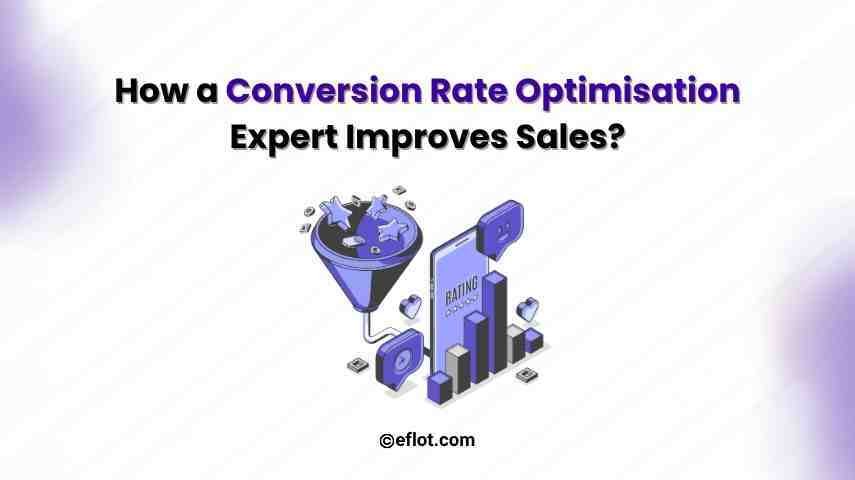
Conversion Rate Optimization focuses on improving a website so more visitors take action, like making a purchase or signing up. By making small improvements to the website and user experience, businesses can increase online sales without needing more traffic.
What Conversion Rate Optimization Means
Conversion Rate Optimization (CRO) is the process of improving a website so more visitors take a desired action, such as buying a product, signing up, or filling out a form. In Digital Marketing, it helps businesses turn existing traffic into customers. Digital Marketing Agencies use Conversion Rate Optimization along with SEO and SEO Services to improve website performance and increase sales.
-
Understanding Conversions: A conversion happens when a visitor completes a desired action on a website. This can include purchases, sign-ups, downloads, or form submissions.
-
Improving Website Performance: Conversion Rate Optimization focuses on improving elements like design, content, and navigation. These improvements help visitors easily find what they need.
-
Enhancing User Experience: A clear layout, fast loading pages, and simple navigation improve the user experience. This encourages visitors to stay longer and take action.
-
Supporting Digital Marketing Goals: CRO works closely with Digital Marketing strategies such as SEO and content marketing. Together they help businesses attract and convert more visitors.
-
Turning Visitors into Customers: The main goal of CRO is to increase the percentage of visitors who convert. This helps businesses grow without increasing marketing costs.
Why CRO is Important for Online Businesses
Conversion Rate Optimization is important because it helps businesses make the most of their website traffic. Instead of only focusing on attracting visitors through SEO Services or ads, CRO improves how well the website converts those visitors into customers. Many Digital Marketing Agencies use Conversion Rate Optimization to help businesses increase sales and improve marketing results.
-
Higher Return on Investment: CRO helps businesses earn more from their existing traffic. This improves the overall return from Digital Marketing campaigns.
-
Better Customer Experience: Optimized websites provide smooth navigation and clear information. This makes it easier for users to trust the brand.
-
Improved Website Performance: Conversion improvements reduce bounce rates and increase engagement. Visitors are more likely to interact with the website.
-
Stronger Marketing Results: When combined with SEO and content strategies, CRO improves the overall performance of online campaigns.
-
Cost-Effective Growth: Instead of spending more on ads, businesses can increase conversions from current visitors. This makes CRO a cost-efficient strategy.
How CRO Helps Increase Online Sales Without Increasing Traffic
Conversion Rate Optimization helps businesses grow sales by improving how visitors interact with a website. Instead of only focusing on attracting more visitors through SEO or ads, CRO improves the chances of turning current visitors into buyers. This makes Conversion Rate Optimization an important strategy in Digital Marketing for increasing online sales.
-
Improving Landing Pages: Better landing page design and clear information encourage visitors to explore products. This increases the chances of making a purchase.
-
Clear Call-to-Action Buttons: Well-placed CTA buttons guide users toward the next step. Simple actions like “Buy Now” or “Sign Up” improve conversions.
-
Optimizing the Checkout Process: A simple and fast checkout process reduces cart abandonment. Customers are more likely to complete their purchases.
-
Building Customer Trust: Reviews, ratings, and security badges increase trust. Visitors feel confident when making purchases on trusted websites.
-
Personalizing User Experience: Showing relevant products and recommendations helps visitors stay engaged and make better buying decisions. Studies show 93% of marketers say personalization increases leads or sales, proving it improves conversions.
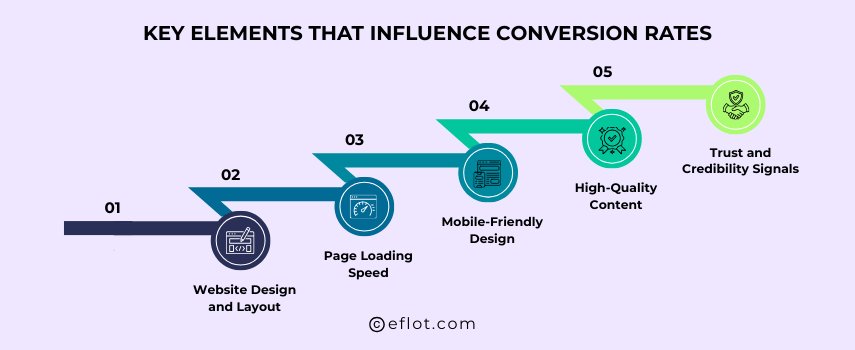
Key Elements That Influence Conversion Rates
Several factors affect whether visitors convert on a website. Conversion Rate Optimization focuses on improving these elements to create a smooth and engaging experience. Digital Marketing professionals and agencies often analyze these factors to improve website performance and support SEO strategies.
-
Website Design and Layout: A clean and simple website design helps users navigate easily. Clear layouts make important information easy to find.
-
Page Loading Speed: Fast-loading websites keep visitors engaged and reduce bounce rates. Slow websites often lead to lost customers.
-
Mobile-Friendly Design: Many users browse and shop on mobile devices today. A responsive website ensures a smooth experience across all devices.
-
High-Quality Content: Clear product descriptions and helpful content guide users in making decisions. Good content also supports SEO performance.
-
Trust and Credibility Signals: Customer reviews, testimonials, and secure payment badges build confidence. These elements encourage visitors to complete purchases.
Effective Conversion Rate Optimization Strategies
Businesses use different strategies to improve conversions and increase sales. Conversion Rate Optimization strategies focus on improving website performance, user experience, and customer engagement. When combined with SEO Services and Digital Marketing strategies, these methods help businesses achieve better results online.
-
Optimizing Landing Pages: A well-designed landing page captures visitor attention quickly. Clear headlines and visuals help guide users toward conversions.
-
Improving Call-to-Action Buttons: Effective CTAs encourage visitors to take the next step. They should be visible, simple, and action-oriented.
-
Using Persuasive Content: Strong and clear content helps visitors understand product benefits. This increases their confidence in making a purchase.
-
Reducing Friction in Forms: Short and simple forms make it easier for users to complete actions. Too many fields often reduce conversion rates.
-
Offering Special Deals: Discounts, free trials, or limited offers encourage users to act quickly. These incentives can improve overall conversions.
The Role of A/B Testing in CRO
A/B testing is an important part of Conversion Rate Optimization because it helps businesses compare different versions of a webpage. By testing elements like headlines, images, or buttons, businesses can find what works best for their audience. Digital Marketing Agency use A/B testing to improve website performance and support SEO campaigns.
-
Testing Different Headlines: Different headlines can influence user interest and engagement. Testing helps identify which message attracts more visitors.
-
Comparing Design Elements: Small design changes can affect user behavior. Testing layouts helps improve website usability.
-
Optimizing Call-to-Action Buttons: Testing CTA colors, text, and placement can improve clicks. This leads to better conversion results.
-
Improving User Experience: A/B testing helps identify what users prefer on a website. This improves navigation and overall satisfaction.
-
Data-Driven Decisions: Testing results provide clear data for making improvements. Businesses can optimize strategies based on real user behavior.
Using Analytics to Improve Conversions
Analytics tools help businesses understand how visitors interact with their websites. By studying this data, marketers can improve Conversion Rate Optimization strategies and identify areas that need improvement. Digital Marketing teams often combine analytics insights with SEO and CRO strategies to improve overall performance.
-
Tracking User Behavior: Analytics tools show how visitors move through a website. This helps identify pages that need improvement.
-
Identifying Drop-Off Points: Some pages cause visitors to leave without converting. Analyzing these points helps optimize the user journey.
-
Measuring Campaign Performance: Analytics helps measure the success of Digital Marketing campaigns. Businesses can see which strategies bring better results.
-
Improving Content Strategy: Data helps marketers understand what content users prefer. This supports both SEO and CRO efforts.
-
Continuous Optimization: Analytics allows businesses to monitor performance regularly. Ongoing improvements help maintain strong conversion rates.
Common CRO Mistakes to Avoid
While Conversion Rate Optimization can improve sales, some common mistakes can reduce its effectiveness. Businesses must focus on user experience, website performance, and clear communication to avoid losing potential customers. Digital Marketing professionals often analyze these mistakes to improve SEO and overall marketing results.
-
Ignoring Mobile Optimization: Many users browse websites on smartphones today. A non-responsive design can reduce conversions.
-
Slow Website Speed: Slow loading pages frustrate visitors and increase bounce rates. Fast websites improve engagement and trust.
-
Too Many Form Fields: Long forms make users lose interest quickly. Short forms encourage users to complete the process.
-
Lack of Trust Signals: Without reviews or security badges, users may hesitate to purchase. Trust elements improve confidence.
-
Unclear Call-to-Action: Visitors may not know what step to take next. Clear and visible CTAs guide users toward conversions.
Tools for Conversion Rate Optimization
Many tools help businesses analyze user behavior and improve website performance. These tools support Conversion Rate Optimization by providing insights into visitor interactions and website performance. Digital Marketing Agencies often combine these tools with SEO Services to improve online marketing results.
-
Google Analytics: This tool helps track website traffic and user behavior. It provides valuable insights for improving conversions.
-
Heatmap Tools: Heatmaps show where users click and scroll on a webpage. This helps identify areas that need improvement.
-
A/B Testing Tools: These tools allow businesses to test different versions of webpages. The results help choose the best performing design.
-
SEO and CRO Tools: SEO tools help analyze keywords and search performance. They support both traffic growth and conversion improvement.
-
Customer Feedback Tools: Feedback tools collect opinions directly from visitors. This helps businesses understand user needs and improve the website.
Conversion Rate Optimization plays an important role in improving online sales by helping businesses turn more website visitors into customers. Instead of only focusing on getting more traffic, it focuses on improving the website experience so users can easily take action. By continuously testing, analyzing user behavior, and making small improvements, businesses can increase their results and grow their online sales effectively.
Digital Marketing services in Other Locations in India
Bangalore | Hyderabad | Chennai | Pune | Ahmedabad | Coimbatore | Mumbai | Kolkata | Patna | Amritsar | Indore | Kozhikode | Trivandrum | Jaipur | Nagpur | Gwalior | Dehradun | Noida | Vizag | Raipur | Agra | Gurgaon | Madurai | Udaipur | Thrissur |