










What Is Off-Page Search Engine Optimization?
Learn about off-page search engine optimization, its techniques, benefits, and how it impacts website rankings and online visibility.
In my journey as a digital marketing specialist, I’ve realized that the real magic of SEO happens beyond the borders of a website. Early in my career, I believed that changing on-page elements like titles, meta descriptions, and keywords was enough to rank a site on Google. While these factors do matter, I quickly learned that what sets a successful website apart is a deep understanding of what Off-page search engine optimization is and how to use it effectively. There was a time when one of my clients, despite having excellent on-page SEO, struggled to rank against competitors. That’s when I studied off-page SEO strategies, and the results were eye-opening. Actions taken outside the website like earning high-quality backlinks, engaging on social media, and cultivating brand mentions played a vital role in boosting their authority and visibility.
So, What Is Off-Page Search Engine Optimization? It’s essentially about building credibility, relevance, and trustworthiness in the eyes of search engines. Backlinks, for example, are like votes of confidence. When authoritative websites link to your content, it signals to search engines that your site is valuable and trustworthy. I’ve seen how acquiring quality backlinks from reputable sources can significantly improve rankings. Reflecting on these experiences, I can confidently say that off-page SEO isn’t just an add-on it’s an essential piece of the puzzle for long-term digital marketing success.
What Is Off-Page Search Engine Optimization?
Off-page SEO refers to the strategies and actions taken outside your website to improve its ranking on search engines. While on-page SEO deals with internal factors like content, keywords, and site structure off-page SEO focuses on earning external endorsements to signal credibility, authority, and relevance.
This includes techniques such as:
-
Building backlinks from high-authority websites.
-
Engaging on social media to drive traffic and build a following.
-
Brand mentions that enhance trust, even without direct links.
Off-page SEO ensures search engines recognize your site as a valuable resource, increasing the likelihood of higher rankings and greater visibility.
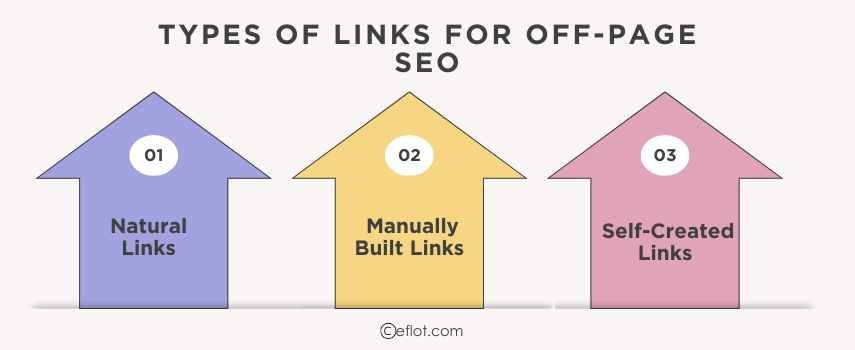
Types of Links for Off-Page SEO
1. Natural Links
These are earned organically when someone links to your content without any direct request. They are the most valuable type of link because they reflect genuine trust in your content.
2. Manually Built Links
These are created through intentional efforts like guest blogging, influencer collaborations, or partnerships.
3. Self-Created Links
These include links added in forums, blog comments, or online profiles. Use these cautiously, as spammy practices can lead to penalties.
Why Is Off-Page SEO Important?
1. Improves Search Engine Rankings
Search engines like Google rely on off-page SEO signals to assess the quality, authority, and relevance of a website. These signals such as backlinks, social media interactions, and brand mentions help search engines determine where your site should rank compared to competitors.
For instance:
-
If two websites have equally strong on-page SEO, the one with better off-page SEO signals (e.g., quality backlinks and strong engagement) will rank higher.
-
Backlinks from authoritative sites act as “votes of confidence,” signaling to Google that your site is credible and worthy of a higher position.
2. Builds Authority and Trust
Authority and trust are essential for both search engines and users. Backlinks from reputable, industry-specific websites serve as endorsements, proving to Google that your content is valuable and reliable. These backlinks act as "recommendations," signaling that others in your industry trust your content.
How It Works:
-
When a high-authority website links to your site, it passes on some of its credibility, improving your site's domain authority.
-
Brand mentions, even without direct links, help establish trust and showcase your relevance in the industry.
3. Drives Referral Traffic
Off-page SEO isn’t just about improving search engine rankings—it’s also a powerful way to drive referral traffic to your site. When authoritative blogs, forums, or social media platforms link to your site, they funnel targeted users directly to your content.
Benefits of Referral Traffic:
-
It brings users who are already interested in your niche or offerings.
-
It increases the likelihood of conversions because these visitors trust the source that referred them.
-
Referral traffic is often more engaged, as it comes from credible and relevant platforms.
4. Enhances Brand Visibility
Off-page SEO activities, such as influencer collaborations, social media engagement, and guest blogging, help increase your brand's visibility. Consistent interactions and mentions across external platforms ensure that your brand stays top-of-mind for your target audience.
Key Points:
-
Social media platforms allow you to reach a wider audience, building awareness and driving engagement.
-
Guest blogging on reputable sites introduces your brand to new readers, positioning you as a thought leader.
-
Positive reviews and discussions about your brand in forums and online communities further enhance your visibility.
5. Supports Long-Term Success
One of the biggest advantages of off-page SEO is its long-term impact. While paid campaigns may drive quick results, they only last as long as you’re paying for them. In contrast, a well-executed off-page SEO strategy creates lasting benefits that continue to grow over time.
Why It’s Sustainable:
-
High-quality backlinks remain valuable for years, continuously improving your site’s authority.
-
Brand mentions and positive reviews build a strong online reputation that endures.
-
As your site gains authority and trust, it becomes easier to rank for competitive keywords without relying on paid efforts.
5 Off-Page SEO Techniques That Work
1. Building High-Quality Backlinks
Backlinks are the cornerstone of off-page SEO. They act as votes of confidence, telling search engines that your content is valuable. But it’s not just about quantity quality matters more.
How to Build Backlinks:
-
Guest Blogging: Publish articles on authoritative sites within your niche.
-
Broken Link Building: Identify broken links on reputable websites and offer your content as a replacement.
-
Skyscraper Technique: Create superior content and reach out to sites linking to less comprehensive resources.
2. Social Media Engagement
Social signals likes, shares, and comments may not directly impact rankings, but they amplify your content’s reach and drive traffic.
Tips for Social Media Success:
-
Share blog posts, videos, and infographics regularly.
-
Engage with your audience by responding to comments and messages.
-
Collaborate with influencers to extend your reach.
3. Brand Mentions
Even unlinked mentions of your brand across blogs, forums, and social media contribute to your off-page SEO by signaling trustworthiness and relevance.
How to Encourage Mentions:
-
Partner with influencers and industry experts.
-
Monitor your brand using tools like Google Alerts.
-
Create shareable content, like research reports or infographics.
Collaborating with influencers helps you tap into their loyal audiences, driving traffic and boosting credibility.
Steps for Influencer Marketing:
-
Identify influencers whose audience aligns with your brand.
-
Offer them value, such as exclusive content or free products.
-
Encourage them to share your content or review your offerings.
5. Participating in Online Communities
Engage with communities on platforms like Reddit, Quora, or niche forums to establish authority and drive traffic.
Best Practices:
-
Provide value by answering questions thoughtfully.
-
Share links to your content where relevant, without being spammy.
-
Build relationships within these communities to enhance credibility.
Case Studies
Case Study1:
Apple AirPods quickly became one of the best-selling wireless earbuds globally, but this success wasn’t solely due to Apple’s on-site efforts. The company knew it needed strong off-page SEO strategies to dominate search engine results and stay relevant in a competitive market.
Challenges:
-
Establishing AirPods as the premium wireless earbuds against a growing number of competitors like Samsung and Bose.
-
Generating organic backlinks and brand mentions across authoritative sources.
-
Increasing social media visibility to reach tech-savvy millennials and Gen Z consumers.
Solutions:
Apple collaborated with tech influencers and YouTubers who specialize in product reviews. These influencers created detailed unboxing videos, product comparisons, and tutorials, which not only educated potential buyers but also linked back to Apple’s product pages. To create social media buzz, Apple launched campaigns showcasing everyday users enjoying their AirPods, encouraging customers to share their own experiences using the hashtag #AirPodsLife. These posts were picked up by lifestyle bloggers and tech websites, leading to organic backlinks and mentions.
Case Study2:
Dyson, known for its premium home appliances, wanted to establish its V11 cordless vacuum cleaner as the best in the market. Competing against established brands like Shark and Bissell, Dyson needed to create an off-page SEO strategy to build credibility and authority.
Challenges:
-
Educating consumers about the unique features of the Dyson V11.
-
Generating high-quality backlinks from authoritative sources in the home improvement and appliance industry.
-
Driving traffic and sales through trusted third-party reviews and partnerships.
Solutions:
Dyson partnered with top-tier review websites such as CNET, TechRadar, and Wired to create detailed product reviews. These reviews highlighted the V11’s cutting-edge technology and linked back to Dyson’s official website.
The brand also collaborated with YouTubers and home improvement influencers to demonstrate the product’s efficiency in real-world scenarios. Content included cleaning tutorials, product comparisons, and testimonials, all of which drove organic traffic and backlinks.
Understanding What Off-Page Search Engine Optimization is crucial for building a successful digital presence. By focusing on strategies like backlink building, social engagement, and influencer marketing, you can enhance your site’s authority and trustworthiness. While off-page SEO requires consistent effort, it rewards higher rankings, greater visibility, and increased traffic making it an essential part of any SEO strategy. For long-term success, combine off-page SEO with strong on-page practices to create a well-rounded approach. Start implementing these techniques today to take your website to the next level.
Digital Marketing services in Other Locations in India
Bangalore | Hyderabad | Chennai | Pune | Ahmedabad | Coimbatore | Mumbai | Kolkata | Patna | Amritsar | Indore | Kozhikode | Trivandrum | Jaipur | Nagpur | Gwalior | Dehradun | Noida | Vizag | Raipur | Agra | Gurgaon | Madurai | Udaipur | Thrissur |