





















The Ultimate Guide to SEO Marketing for Beginners
A beginner-friendly guide to SEO marketing, covering essential strategies, tips, and tools to boost your website's search engine rankings.

Welcome to The Ultimate Guide to SEO Marketing for Beginners! If you’ve ever wondered how websites climb to the top of Google’s search results or how businesses attract traffic without spending a fortune on ads, you’re in the right place.
As an SEO Specialist, I’ve seen how the right strategies can transform a business. When done properly, SEO (Search Engine Optimization) doesn’t just bring more visitors to your website, it connects you with people who are genuinely interested in what you have to offer. It’s like building a bridge between your business and your ideal audience.
I’ll break down SEO into simple, actionable steps, cutting through all the jargon and technical. Whether you’re a business owner, a freelancer, or just curious about how SEO works, I’ll show you how to build a strong foundation, boost your online visibility, and start ranking higher in search results.
SEO might seem overwhelming at first, but trust me, it’s not rocket science. By the end of this guide, you’ll understand the basics and feel confident enough to take your first steps toward improving your website’s performance.
What Is SEO Marketing?
SEO marketing (short for search engine optimization marketing) is all about improving your website so that it ranks higher in search engine results pages (SERPs). When people search for products, services, or information related to your business, you want your website to appear at the top of their search results. Why? Because higher rankings often translate into more clicks, traffic, and ultimately, conversions.
Think of SEO as a way to communicate with search engines like Google. By optimizing your website and its content, you’re telling search engines what your site is about and why it’s relevant to a user’s query.
Why Is SEO Marketing Important?
Here’s why SEO marketing matters in today’s digital market:
-
Organic Traffic is King: Unlike paid advertising, SEO helps you attract visitors without spending money on every click. It’s cost-effective and delivers long-term results.
-
Credibility and Trust: Websites that rank high on search engines are often perceived as more trustworthy and authoritative.
-
Competitive Edge: Your competitors are likely investing in SEO. Without it, you risk falling behind.
-
Better User Experience: Good SEO practices, like improving site speed and mobile usability, also create a better experience for visitors.
Core Elements of SEO Marketing
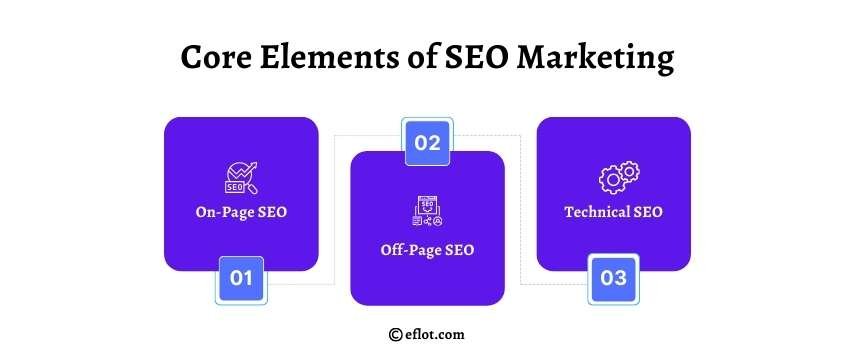
Let’s break down the key components of SEO marketing into three main pillars: on-page SEO, off-page SEO, and technical SEO.
1. On-Page SEO
On-page SEO involves optimizing elements directly on your website to make it more search-engine-friendly. Here’s where you should focus:
-
Keyword Research: Identify the keywords your audience is searching for. For example, if you’re a bakery, keywords like "best cupcakes near me" or "gluten-free desserts" might be relevant.
-
Content Optimization: Create high-quality, engaging content that incorporates your target keywords naturally. Avoid keyword stuffing—use them strategically in headings, paragraphs, and meta descriptions.
-
Title Tags and Meta Descriptions: Write compelling title tags and meta descriptions that include your main keyword. These elements help search engines understand your content and entice users to click.
-
Internal Linking: Link to other pages on your site to guide users and help search engines crawl your site more effectively.
2. Off-Page SEO
Off-page SEO focuses on activities outside of your website that impact your rankings. The goal here is to build authority and trust. Key tactics include:
-
Backlinks: These are links from other websites to yours. High-quality backlinks act like votes of confidence for your content. Focus on earning links from reputable sites within your niche.
-
Social Media Marketing: Sharing your content on platforms like Facebook, Instagram, or LinkedIn can drive traffic to your site and increase visibility.
-
Guest Blogging: Writing articles for other websites not only builds backlinks but also exposes you to new audiences.
3. Technical SEO
Technical SEO ensures that search engines can easily crawl and index your site. It also improves the overall user experience. Some technical SEO tasks include:
-
Website Speed: Fast-loading pages are essential for both users and search engines.
-
Mobile-Friendliness: With most searches happening on mobile devices, a responsive website design is a must.
-
Secure Website (HTTPS): An SSL certificate not only secures your site but is also a ranking factor for Google.
-
Sitemap and Robots.txt: These help search engines understand your site structure and which pages to index.
The Role of Content in SEO Marketing
Content is the backbone of SEO marketing. Without quality content, you have nothing to optimize or rank for. Here’s how to approach content creation with SEO in mind:
-
Understand User Intent: What is your audience searching for? Are they looking for how-to guides, product reviews, or industry news? Align your content with their needs.
-
Use Keywords Naturally: Once you’ve identified your target keywords, integrate them seamlessly into your content. Focus on readability and value over keyword density.
-
Create Evergreen Content: Write articles that remain relevant over time, like "How to Start a Blog" or "Beginner’s Guide to Gardening."
-
Incorporate Visuals: Images, infographics, and videos make your content more engaging. Just remember to optimize file sizes and use alt text for accessibility.
Tools to Boost Your SEO Marketing Efforts
While SEO can be done manually, certain tools can make the process easier and more efficient. Here are some must-haves for beginners:
-
Google Analytics: Track website traffic and user behavior.
-
Google Search Console: Monitor your site’s performance in search results and identify any issues.
-
Keyword Research Tools: Platforms like SEMrush, Ahrefs, or Ubersuggest help you find keywords and analyze competition.
-
Page Speed Insights: Use this Google tool to measure and improve your site’s loading speed.
-
Yoast SEO (for WordPress): A plugin that simplifies on-page optimization.
Common SEO Mistakes to Avoid
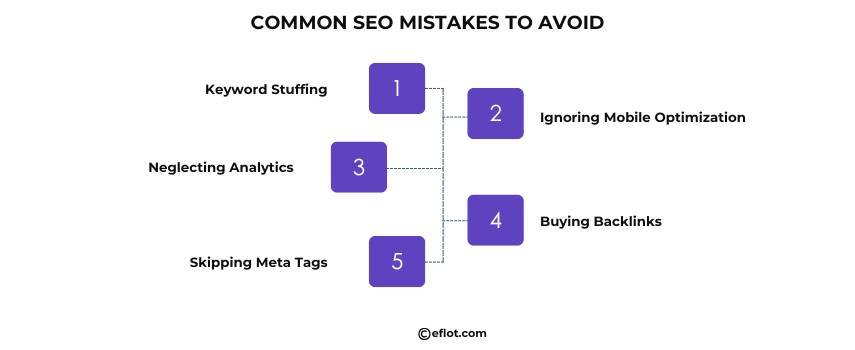
Even seasoned marketers make mistakes. Here are a few common pitfalls to watch out for:
-
Keyword Stuffing: Overloading your content with keywords can hurt readability and lead to penalties.
-
Ignoring Mobile Optimization: If your site isn’t mobile-friendly, you’re losing out on a significant chunk of traffic.
-
Neglecting Analytics: Without tracking your results, it’s impossible to know what’s working and what’s not.
-
Buying Backlinks: Low-quality, spammy backlinks can do more harm than good. Focus on earning links organically.
-
Skipping Meta Tags: Failing to optimize title tags and meta descriptions can mean missed opportunities for clicks.
How SEO Fits Into Digital Marketing
SEO doesn’t operate in isolation—it’s a key component of a broader digital marketing strategy. By combining SEO with other tactics like content marketing, social media advertising, and email marketing, you can create a comprehensive approach to reaching your audience.
For example, you might write a blog post optimized for a specific keyword, share it on social media to drive traffic, and then use email to follow up with readers who subscribed to your newsletter. Each channel supports the other, amplifying your results.
SEO Marketing Success: Patience and Consistency
One of the most important things to understand about SEO marketing is that it’s a long game. Results don’t happen overnight. It takes time for search engines to crawl your site, index new content, and adjust rankings based on user behavior.
Consistency is key. Regularly update your content, build new backlinks, and monitor your performance. Over time, these small efforts compound into significant results.
If you’re new to SEO marketing, the most important thing is to start small and build from there. Focus on the basics, like keyword research, quality content, and improving your site’s usability. As you gain confidence, you can dive deeper into advanced techniques like technical SEO and backlink building.
Remember, SEO is just one piece of the digital marketing puzzle, but it’s a powerful one. With patience, persistence, and the right strategies, you’ll be well on your way to improving your website’s visibility and attracting more traffic.
Digital Marketing services in Other Locations in India
Bangalore | Hyderabad | Chennai | Pune | Ahmedabad | Coimbatore | Mumbai | Kolkata | Patna | Amritsar | Indore | Kozhikode | Trivandrum | Jaipur | Nagpur | Gwalior | Dehradun | Noida | Vizag | Raipur | Agra | Gurgaon | Madurai | Udaipur | Thrissur |