




















How Social Media Sentiment Analysis Supports Campaigns
Social media sentiment analysis helps shape campaigns by showing real opinions, guiding tone, and helping teams respond to audience needs.

Have you seen how audience comments and reactions can highlight important preferences or pain points? When a brand listens and responds clearly, it not only solves confusion but also builds trust and supports campaign performance. Effective feedback handling turns audience insights into opportunities for improved engagement and campaigns.
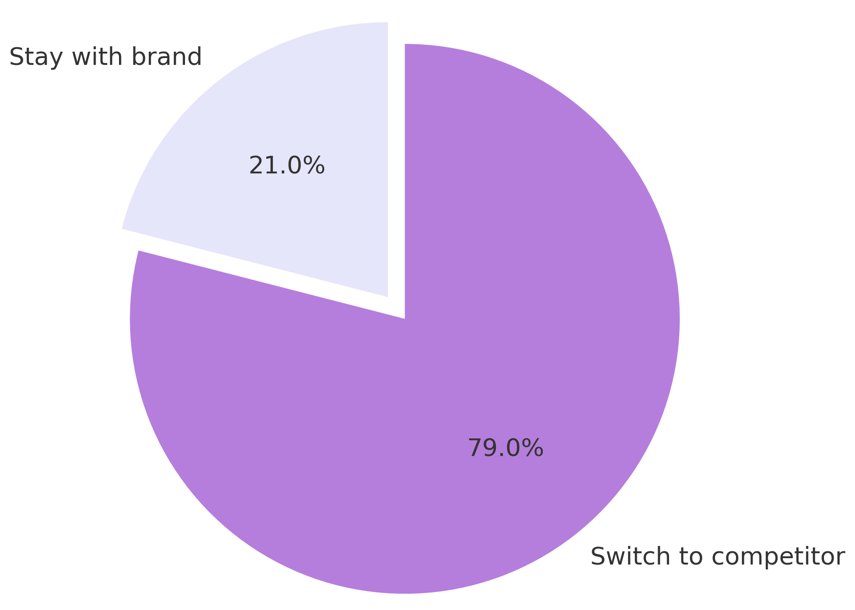
Studies show that 79% of social media users are likely to switch to a competitor if a brand fails to respond to their feedback, highlighting the importance of timely and thoughtful engagement.
Swiggy is a leading food delivery app in India known for its creative social media campaigns and large online audience. The brand receives thousands of comments and reactions every day, showing how people feel about its services and offers.
During some campaigns, Swiggy noticed mixed reactions. While many users praised delivery speed and deals, others shared complaints about delays and support issues. It was difficult for the team to understand overall audience sentiment quickly.
Swiggy used Social Media Sentiment Analysis to study comments and identify common emotions and issues. This helped the team understand what people liked or disliked, improve future campaign messages, and respond faster to concerns, leading to better audience engagement.
Understanding Social Media Sentiment Analysis
Social Media Sentiment Analysis involves examining online conversations to identify the emotions and opinions expressed whether positive, negative, or neutral.
This process helps businesses:
-
Monitor audience reactions to campaigns, products, and services
-
Gain insights into customer preferences and key concerns
-
Identify trends and emerging topics within the industry
-
Make informed, data-driven decisions for marketing strategies
By interpreting this information, companies develop a clear understanding of audience sentiment, allowing them to plan campaigns, create relevant messaging, and respond effectively to customer feedback.
How Social Media Sentiment Analysis Works for Campaigns
Social Media Sentiment Analysis examines audience opinions, emotions, and reactions on social media to give marketers a clear understanding of public perception. By knowing how people talk about a brand, product, or campaign, businesses can make better decisions.
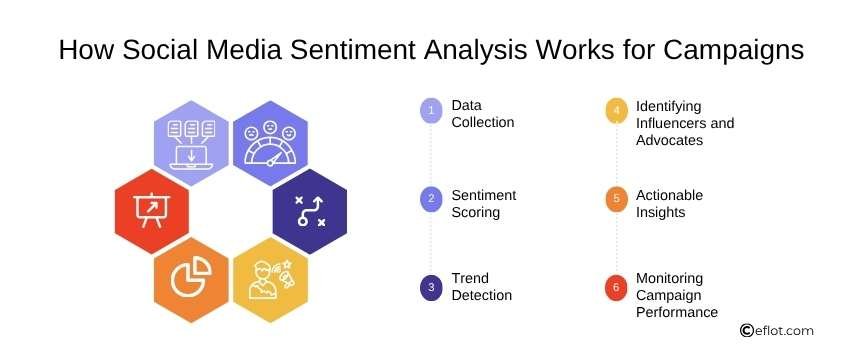
The process involves several key steps:
-
Data Collection:
Gather posts, comments, mentions, reviews, and hashtags across multiple social media platforms. This provides a complete view of audience conversations and opinions. -
Sentiment Scoring:
Using natural language processing (NLP), each piece of content is analyzed to determine if the sentiment is positive, negative, or neutral. This scoring shows the overall mood of the audience. -
Trend Detection:
Identify patterns, recurring topics, popular discussions, and frequently mentioned themes. Detecting trends helps marketers understand audience interests and adjust campaigns accordingly. -
Identifying Influencers and Advocates:
Sentiment analysis highlights key individuals whose opinions have significant reach. Engaging with these influencers or brand advocates can improve campaign visibility and engagement. -
Actionable Insights:
Translate sentiment data into practical recommendations for content creation, messaging changes, campaign targeting, and audience interactions. -
Monitoring Campaign Performance:
Compare sentiment before, during, and after campaigns to measure impact, spot emerging issues, and refine future strategies.
Using Social Media Sentiment Analysis, marketers can see which messages connect with the audience and detect early signs of negative sentiment that could affect brand perception. This real-time understanding allows campaigns to be adjusted promptly, improving engagement, relevance, and audience trust.
How Social Media Sentiment Analysis Prevents PR Challenges
Negative sentiment on social media can escalate quickly if it goes unnoticed. Businesses that monitor audience opinions in real-time can address issues before they grow and maintain a positive brand image and Brand Strength.
Social Media Sentiment Analysis helps companies detect and respond to potential PR challenges effectively. Key benefits include:
-
Identify negative mentions early: Spot complaints, criticisms, or recurring issues as they appear online.
-
Respond quickly to customer concerns: Address questions, clarify misunderstandings, and provide solutions to reduce dissatisfaction.
-
Prevent PR crises: Take action before small issues turn into widespread negative coverage.
-
Maintain brand reputation: Show audiences that the brand is attentive and proactive.
Assume a recently launched product receives mixed feedback, positive reviews from some users, but a few complaints start appearing in comments and mentions. By using sentiment analysis, the marketing team detects these negative mentions quickly. They respond to key complaints, clarify misunderstandings, and share timely updates. This action prevents the complaints from escalating into a larger PR problem and helps maintain audience trust.
-
Track emerging patterns: Monitor whether an issue is isolated or becoming a trend that needs wider attention.
-
Adjust communication strategies: Use insights from sentiment to refine messaging and campaign focus in real-time.
Proactively monitoring sentiment with Social Media Sentiment Analysis allows businesses to stay ahead of potential issues, respond promptly, and keep Social Media campaigns running smoothly while protecting brand reputation.
Strategies To Respond To Customer Feedbacks Effectively
Responding to customer feedback on social media requires a clear, structured approach. Using Social Media Sentiment Analysis helps identify the right actions and ensures responses are timely and meaningful.
Here’s how to respond effectively:
1. How to prioritize urgent issues: Focus first on feedback that needs immediate attention, such as complaints about a product or service problem.
Example: Assume several users report a delay in shipping a new product. Addressing these comments first prevents dissatisfaction from spreading.
2. How to use data-informed responses: Base your replies on insights from sentiment analysis to answer common questions or concerns accurately.
Example: If many customers are confused about a feature, the team can post a clear explanation publicly, reducing repeated questions.
3. How to engage publicly and privately: Some issues need public acknowledgment to demonstrate transparency, while others are better resolved in private messages.
Example: A user posts a billing complaint. Respond publicly to acknowledge the concern, then follow up privately to resolve it directly.
4. How to track outcomes: Monitor feedback after responses to see which actions improve sentiment and which need adjustment for future campaigns.
Example: After replying to service-related complaints, track comments over the next few days. If sentiment improves, the approach works; if not, refine the strategy.
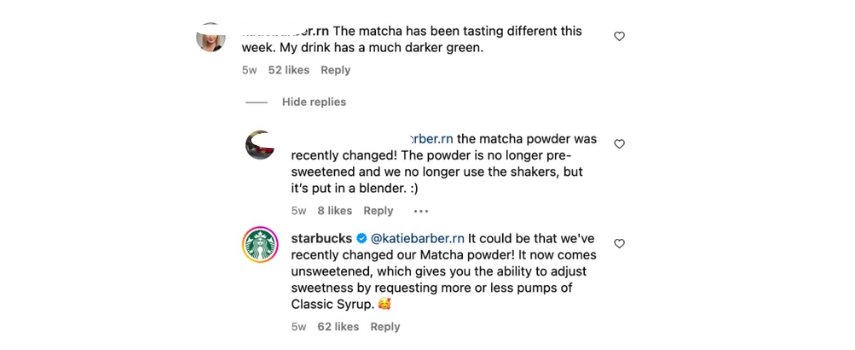
In the above image, a customer mentioned that their matcha drink tasted different. Starbucks responded politely, explaining that the matcha powder was changed to an unsweetened version so customers can adjust the sweetness as they prefer. This shows a professional and thoughtful way to respond to customer feedback.
Why Businesses Should Use Social Media Sentiment Analysis
People constantly talk about brands on social platforms,sharing their thoughts, feelings, and experiences. Social media sentiment analysis helps businesses listen closely and make better choices based on those conversations.
Here’s what it helps you do:
1. Understand How Customers Feel
Sentiment analysis shows whether people feel positive, negative, or neutral toward your brand. This helps you respond with the right tone and message.
2. Adjust Your Marketing Strategy
When you know the mood of your audience, you can shape your content, ads, and replies to match. It helps you avoid disconnects and reach people more effectively.
3. Spot Issues Before They Escalate
A sudden rise in negative feedback often points to a problem. Sentiment analysis lets you identify it early and act before it spreads further.
4. Use Feedback to Improve Products or Services
Customers often reveal what works well or needs fixing. Tracking their opinions helps your team make practical changes based on real experiences.
5. Build Better Customer Relationships
Responding to how people feel, not just what they say, shows that your brand listens. This leads to stronger trust and long-term interest.
6. Support Smarter Decisions Across Teams
Teams in marketing, product, and customer support can use sentiment data to align their actions. It brings a shared understanding of what matters to your audience.
7. Notice Shifts in Customer Expectations
Changes in how people talk about your brand often signal larger trends. Watching sentiment helps you prepare and respond with purpose.
By using sentiment insights, brands can stay connected to audience needs and respond with clarity and care. Working with a digital marketing agency can help businesses monitor audience reactions, adjust campaigns when needed, and maintain a consistent and positive online presence.
Social media sentiment analysis helps businesses understand what people really think about their brand. It shows which messages work, spots problems early, and guides better decisions. By listening and responding to customers, companies can improve products, build trust, and run more successful campaigns. It’s a simple but powerful way to stay connected with your audience.
Digital Marketing services in Other Locations in India
Bangalore | Hyderabad | Chennai | Pune | Ahmedabad | Coimbatore | Mumbai | Kolkata | Patna | Amritsar | Indore | Kozhikode | Trivandrum | Jaipur | Nagpur | Gwalior | Dehradun | Noida | Vizag | Raipur | Agra | Gurgaon | Madurai | Udaipur | Thrissur |