










What is Omnichannel Marketing? Definition & Strategy
Learn what omnichannel marketing means, how it works, and why it helps brands offer a better, consistent customer experience across all platforms.
You might ask, "I have a great product, so why aren’t customers finding it?" The answer is in how well your business connects with customers both in online and offline. Omnichannel marketing helps your brand reach customers wherever they are, providing a smooth and consistent experience that turns interest into sales.
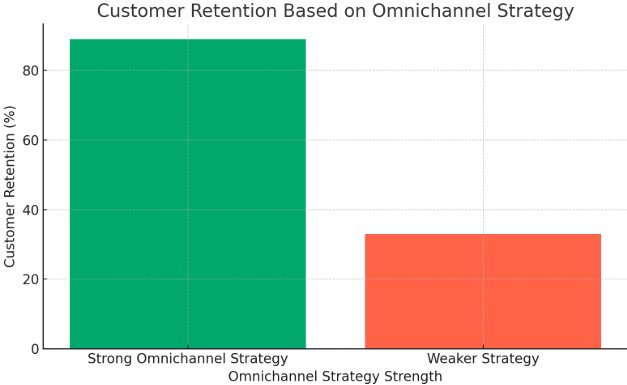
In fact, businesses with a strong omnichannel strategy keep 89% of their customers, while those with weaker strategies only retain 33%.
Max Fashion’s Omnichannel Success: Max Fashion has been a key player in India’s value fashion retail since 2006, with over 500 stores in more than 200 cities. To keep up with changing customer habits, the brand started an omnichannel approach to connect its physical stores with the growing online audience.
The brand faced challenges like limited in-store inventory and inconsistent experiences between online and offline shopping. To fix this, Max Fashion introduced digital touchpoints in some Bengaluru stores. These allow customers to browse and order products from a centralized inventory across multiple locations, improving availability and making shopping easier.
This omnichannel strategy led to clear improvements. Customer engagement and sales increased as Max Fashion offered a smooth experience that combined the convenience of online shopping with the benefits of visiting a store. This approach helped the brand stay strong in a competitive market.
What Is Omnichannel Marketing?
Omnichannel marketing is a strategy that connects all marketing channels, both online and offline, to deliver a consistent and smooth customer experience. Whether a customer interacts through a website, social media, email, mobile app, or in-store, the messaging and brand strength feel remain the same.
The goal is to reach customers on the platforms they use while keeping communication clear and unified across every touchpoint. This approach improves customer satisfaction, builds brand trust, and helps businesses achieve better results.
4 C's of Omnichannel Marketing
Marketing experts like Philip Kotler say that effective omnichannel marketing focuses on the 4 C’s: Customer, Cost, Convenience, and Communication. These help brands connect better across all channels.
-
Customer
-
Understand who the customers are
-
Learn their needs and behavior
-
Create offers that matter to them
-
Cost
-
Consider all costs beyond price
-
Include time and effort required
-
Reduce barriers to buying
-
Convenience
-
Make buying easy and quick
-
Provide access anytime and anywhere
-
Support multiple devices and channels
-
Communication
-
Keep messages clear and consistent
-
Use regular updates to engage
-
Share useful information that builds trust
Multichannel vs Omnichannel
|
Multichannel Marketing |
Omnichannel Marketing |
|
Channels operate separately, without linking to each other. |
Channels are connected for a smooth experience. |
|
The customer journey lacks consistency across channels. |
The journey is consistent across all touchpoints. |
|
Channels work independently, with no connection. |
Customers move seamlessly between channels. |
|
Email, social media, and in-store efforts work separately. |
A customer may see an ad, browse online, and purchase in-store. |
|
Focus on reaching customers on multiple channels. |
Focus on a seamless experience across different channels. |
How to Build Omnichannel Strategy
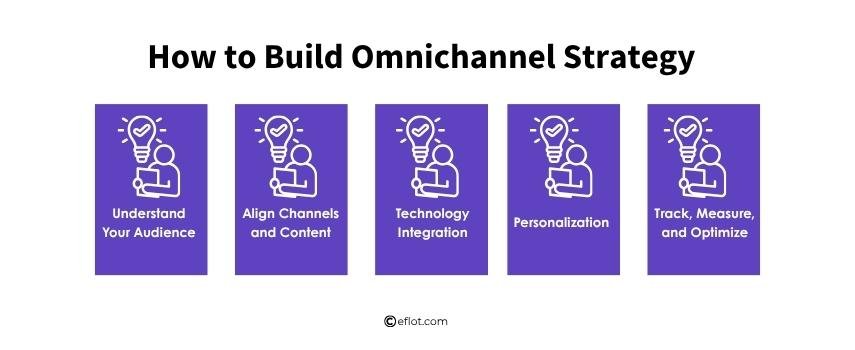
Building an effective omnichannel strategy requires a clear plan, well-defined goals, and a customer-first mindset. Here's how you can develop a strategy that delivers results:
-
Understand Your Audience: Begin by gathering insights into customer behaviors. Research the platforms they use, their preferred communication methods, and the types of content they engage with. Use tools like CRM systems and data analytics to get a comprehensive view of your customer journey.
-
Align Channels and Content: Once you understand your audience, focus on integrating the platforms they use. For example, if customers engage with your brand through social media, ensure that the same messaging appears on your website or in-store. Consistency is key.
-
Technology Integration: Adopt technologies that can improve your marketing efforts. Tools such as marketing automation platforms, unified communication channels, and CRM Enhances Your Digital Marketing Strategy.
-
Personalization: Personalization is a core element of a successful omnichannel strategy. Use customer data to personalize content, offers, and experiences to each individual’s preferences and stage in the buying journey.
-
Track, Measure, and Optimize: Continuously monitor the performance of your strategy. Analytics tools will provide insights into how each channel is performing, allowing you to refine your approach. Be prepared to adjust your tactics based on these insights.
Benefits of Omnichannel Marketing
-
Brand Awareness: By being visible across platforms, like social media, search, email, and in-store, brands are noticed more often. This repeated presence helps people remember the brand, whether it’s a B2B brand or a consumer-focused one, when they’re ready to make a decision.
-
Customer Experience: When the same message and service are offered everywhere, the experience feels more connected. Whether a customer starts on a mobile app or finishes in-store, the transition is easier and feels more natural.
-
Sales Funnel: Omnichannel marketing supports each stage of the sales process. From attracting interest to closing a deal, customers move more smoothly when they receive the same message across all platforms.
-
Customer Retention: Consistency builds trust. When customers know what to expect. no matter where they interact, they’re more likely to come back. This leads to stronger long-term relationships.
-
Market Segmentation: This approach allows businesses to send the right message to the right people. By understanding customer behavior across channels, it becomes easier to offer content and services that fit their needs.
-
Integrated Campaigns: Campaigns that connect email, social media, websites, and other platforms tend to perform better. Omnichannel planning ensures everything works together, not in separate parts.
-
Buyer Journey: Each step in the buyer’s path should be connected. Omnichannel strategies support this by removing gaps between platforms, helping customers move forward without confusion.
-
Call to Action (CTA): Strong CTAs placed across all platforms help guide customers to take action. Whether it's signing up, calling, or buying, clear direction is given at each step.
-
Conversion Rate: When people get a consistent message and smooth experience, they’re more likely to take action. This improves results, from website clicks to final sales.
Omnichannel marketing creates a smooth, consistent experience for customers. When channels are aligned and audience needs are understood, trust grows and results improve. With ongoing monitoring, strategies are refined, leading to stronger customer relationships and business success.
Want seamless marketing?
Contact us today: [email protected]
Digital Marketing services in Other Locations in India
Bangalore | Hyderabad | Chennai | Pune | Ahmedabad | Coimbatore | Mumbai | Kolkata | Patna | Amritsar | Indore | Kozhikode | Trivandrum | Jaipur | Nagpur | Gwalior | Dehradun | Noida | Vizag | Raipur | Agra | Gurgaon | Madurai | Udaipur | Thrissur |