





















How WordPress SEO Optimisation Drives Organic Traffic
Learn how WordPress SEO optimization improves organic traffic by enhancing site visibility, keyword strategy, and technical performance.

As a digital marketing specialist, I’ve worked with many businesses that struggle to gain organic traffic on their websites. The digital world is becoming increasingly competitive, and without an effective SEO strategy, websites can get lost in the noise. Fortunately, WordPress SEO optimization offers businesses a powerful way to improve search engine rankings and drive organic traffic.
When I first started working with WordPress SEO optimization, I realized that many businesses were missing out on key opportunities to rank higher and attract more visitors. WordPress, one of the most popular content management systems (CMS), comes with a variety of features that can help optimize your website for search engines. Here, I will share what WordPress SEO optimization is, how it works, its benefits, and how businesses can use it to drive organic traffic.
What is WordPress SEO Optimisation?
WordPress SEO optimisation refers to the process of improving a WordPress website’s search engine visibility through various techniques and tools that focus on technical SEO, on-page SEO, and content quality. It involves making the site structure, content, and backend more appealing to search engines like Google, which can lead to better rankings, higher traffic, and better user engagement.
The importance of SEO optimisation in WordPress lies in its ability to attract organic traffic, increase brand awareness, and ensure that the website can be found easily by users searching for relevant products, services, or information. By following SEO best practices for WordPress sites, WordPress users can ensure that their websites perform well in search rankings, increasing their visibility without the need for paid advertising.
How WordPress SEO Optimisation Works

WordPress SEO optimisation works by making your website more accessible to search engines, improving elements like load speed, mobile responsiveness, and the organization of content. WordPress offers built-in features and plugins that help optimize websites for better search engine performance. Here's a breakdown of how it works:
-
Technical SEO: This involves the optimization of backend elements like site speed, mobile responsiveness, and clean coding.
-
Using plugins like WP Rocket or W3 Total Cache can speed up your website.
-
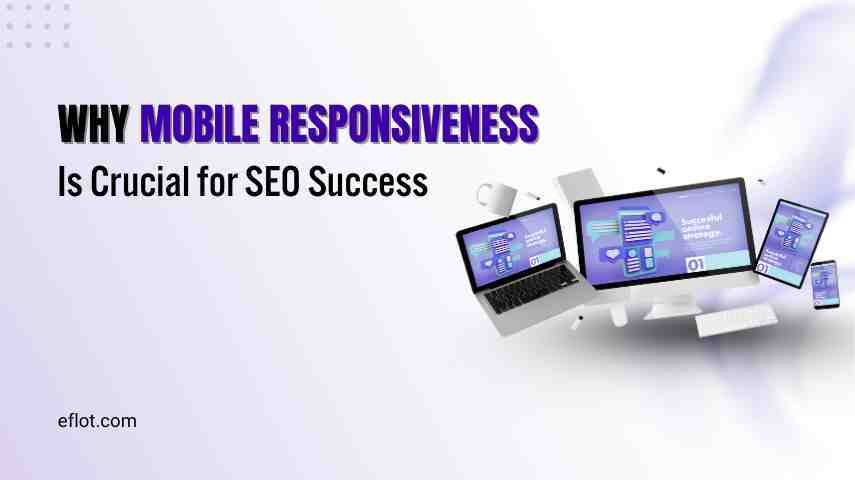
Mobile responsiveness is critical for SEO, especially since Google uses mobile-first indexing. Themes that are mobile-friendly or plugins like Jetpack help improve this aspect.
-
XML sitemaps and a well-organized URL structure help search engines crawl the site more efficiently.
-
On-Page SEO: On-page SEO involves optimizing individual pages for both users and search engines.
-
This includes crafting keyword-rich titles, meta descriptions, and headings, and ensuring the URL structure is optimized.
-
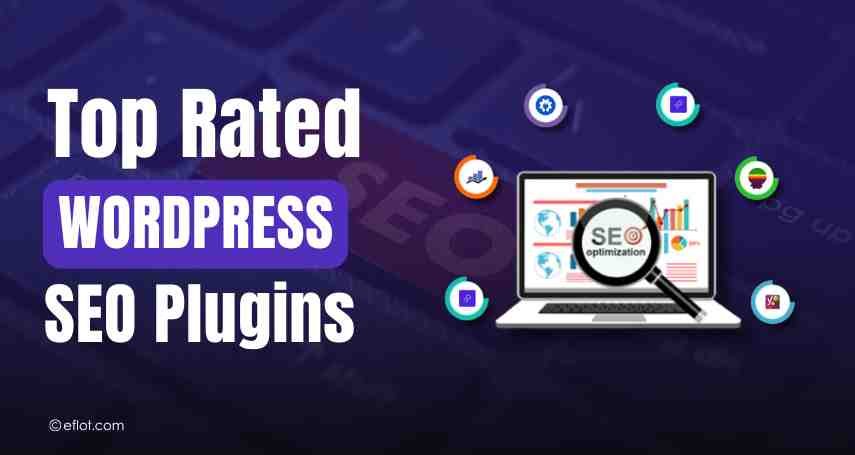
Plugins like Yoast SEO or RankMath are instrumental in guiding businesses to optimize their content, offering real-time feedback on how to improve each page.
-
Content Optimisation: Content is king when it comes to SEO. By creating high-quality, engaging content with targeted keywords, businesses can improve their chances of ranking for specific queries.
-
Keyword optimization WordPress is crucial here, and tools like Google Keyword Planner or Ubersuggest can help you find the right terms to target.
-
Quality content, long-form blog posts, and articles that offer valuable information to the user will rank better over time.
Benefits of WordPress SEO Optimisation
Optimizing your WordPress website for SEO has numerous benefits that can significantly impact your online business. Here are some of the top benefits:
-
Increased Organic Traffic: With proper SEO optimisation, your website will rank higher on search engines for relevant keywords, leading to more organic visits. This is critical for businesses looking to attract customers without spending on paid advertising.
-
Higher Search Engine Rankings: By optimizing technical aspects like meta tags, titles, and content, you increase the likelihood of ranking higher on search results. WordPress SEO plugins for better rankings such as Yoast SEO provide valuable insights into how to structure your content for maximum SEO impact.
-
Better User Experience (UX): WordPress optimization improves website speed, mobile responsiveness, and navigational flow, which leads to a better overall user experience. A better UX keeps visitors on your site longer, which reduces bounce rates and improves rankings.
-
Increased Conversion Rates: By attracting more qualified visitors through SEO-optimised content, the chances of converting these visitors into customers are significantly higher. When your content answers your audience’s questions effectively, they are more likely to trust your brand and take action.
-
Cost-Effective Marketing: Unlike paid advertising, SEO optimization is a long-term strategy. Once your website ranks well, you’ll continue to attract organic traffic without having to pay for each click, making SEO an incredibly cost-effective method for sustained growth.
How Word Press SEO Optimisation Continues to Impact Organic Traffic
As more businesses look to WordPress for their website management, taking full advantage of its SEO capabilities is critical. WordPress offers robust plugins, responsive themes, and an SEO-friendly structure that makes it one of the best platforms for search engine optimisation.
Here is how WordPress SEO Optimisation continues to impact organic traffic:
-
Robust SEO Plugins: WordPress provides access to powerful SEO plugins like Yoast SEO, RankMath, and All-in-One SEO. These tools streamline the process of optimizing title tags, meta descriptions, sitemaps, and on-page SEO, making it easier for businesses to enhance their search engine rankings and attract organic traffic.
-
Responsive Themes for Mobile Optimization: With Google’s mobile-first indexing, having a mobile-friendly site is essential for SEO. WordPress offers a wide variety of responsive themes that automatically adjust to different screen sizes, improving user experience and SEO rankings on mobile devices. This directly contributes to higher organic traffic as mobile users make up a significant portion of web traffic.
-
Built-in SEO-Friendly Structure: WordPress websites are inherently designed with SEO in mind, featuring clean code, fast load times, and easy integration with SEO plugins. This SEO-friendly structure helps websites rank better in search results, which in turn drives more organic traffic over time. WordPress ensures that businesses can maintain an optimal foundation for ongoing SEO efforts.
Case Studies
Case Study1:
HubSpot, a leading inbound marketing platform, uses WordPress to power its content marketing. As HubSpot generates significant traffic through its blog and other resources, optimizing its WordPress site for SEO was essential for increasing website visits and improving lead generation.
Challenges
-
HubSpot needed to increase organic traffic and drive more leads from their blog content.
-
They struggled with maintaining a strong content-to-SEO ratio that aligned with their business goals.
Solutions Implemented
-
HubSpot implemented Yoast SEO to optimize page titles, meta descriptions, and focus keywords across their blog posts.
-
They focused on targeting long-tail keywords and creating content around user intent to increase engagement.
-
HubSpot improved its internal linking strategy, which resulted in better page rankings.
Case Study2:
Airbnb, a leading global online marketplace for accommodations, used WordPress for its content management system. With millions of listings worldwide, Airbnb needed to ensure they maintained strong SEO visibility to stay competitive in the crowded online travel industry.
Challenges
-
Airbnb faced fierce competition from other booking platforms like Booking.com and Expedia.
-
They needed to improve local SEO and ensure that listings appeared prominently in search engine results for location-based queries.
Solutions Implemented
-
Airbnb optimized their Google My Business listing and incorporated location-based keywords in their blog posts and landing pages.
-
SEO-friendly URLs with location-specific keywords were implemented, and content was regularly updated to provide value to both users and search engines.
-
They used WordPress SEO plugins to automate and streamline their SEO processes across their many pages.
WordPress SEO optimisation is an essential practice for businesses aiming to increase their organic traffic and improve their search engine rankings. It’s a powerful tool that combines technical SEO, on-page optimization, and content quality to ensure that your website is as search-engine-friendly as possible. By optimizing your website for SEO, you can ensure long-term growth, higher rankings, and a better return on investment.
Digital Marketing services in Other Locations in India
Bangalore | Hyderabad | Chennai | Pune | Ahmedabad | Coimbatore | Mumbai | Kolkata | Patna | Amritsar | Indore | Kozhikode | Trivandrum | Jaipur | Nagpur | Gwalior | Dehradun | Noida | Vizag | Raipur | Agra | Gurgaon | Madurai | Udaipur | Thrissur |