










How to Build a Content Marketing Strategy for Business
Learn how to create an effective content marketing strategy for your business with these key steps to boost engagement and reach your target audience.
In the digital world, content marketing has emerged as a cornerstone for business success. It provides a direct route to reach potential customers, build trust, and drive sustainable growth. A well-structured content marketing strategy ensures that your efforts align with your business goals, ultimately resulting in better customer engagement, brand awareness, and increased revenue.
Creating an impactful content marketing strategy can seem overwhelming at first, but with the right approach, it is achievable. In this, we'll share the essential steps to help you develop a tailored content marketing plan that works.
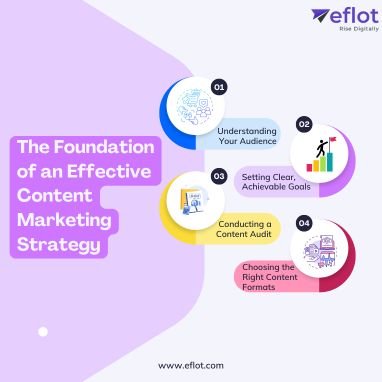
The Foundation of an Effective Content Marketing Strategy
1. Understanding Your Audience
One of the most critical steps in creating a content marketing strategy is knowing who you are targeting. Without a clear understanding of your audience, your efforts could be misguided. Audience research helps you identify their needs, preferences, pain points, and the type of content they consume.
-
Creating Audience Personas: Develop audience personas based on demographics, behaviors, and preferences. Each persona should reflect a segment of your ideal customer base, allowing you to create tailored content that speaks directly to them.
-
Tools for Audience Research: There are numerous tools available to help businesses understand their audience better. Google Analytics, social media insights, and surveys can provide valuable data for refining your audience personas. Use this data to identify common trends and behaviors.
2. Setting Clear, Achievable Goals
Before creating content, define what you want to achieve with your content marketing strategy. Whether it’s increasing website traffic, improving brand visibility, or generating more leads, having specific goals ensures your content has direction.
-
SMART Goals: SMART goals (Specific, Measurable, Achievable, Relevant, Time-bound) provide a framework for setting objectives. For example, instead of setting a vague goal like “increase traffic,” a SMART goal would be “increase website traffic by 25% in the next six months.”
-
Aligning Goals with Business Objectives: Your content marketing goals should support broader business objectives. If your business goal is to increase sales by 20% over the next year, your content strategy should include lead generation tactics like producing case studies, webinars, and whitepapers to convert prospects.
3. Conducting a Content Audit
Before you start producing new content, take stock of what you already have. A content audit helps identify what’s working, what needs improvement, and where gaps exist.
-
Analyzing Existing Content: Use tools like Screaming Frog, SEMrush, or Ahrefs to crawl your website and gather data on your existing content. Review metrics such as organic traffic, bounce rates, and conversion rates to determine which content pieces are performing well.
-
Identifying Content Gaps: Once you’ve reviewed existing content, look for gaps. Are there important topics your audience is interested in that you haven’t covered? A content gap analysis allows you to discover opportunities for new content that can drive engagement and conversions.
4. Choosing the Right Content Formats
Different types of content resonate with different segments of your audience. Selecting the right formats based on your audience preferences and business goals is essential.
-
Blog Posts: Blogging is one of the most effective content marketing tactics. Blog posts are ideal for educating your audience, answering common questions, and improving SEO by targeting long-tail keywords.
-
Video Content: Video content continues to grow in popularity due to its engaging nature. From product demos to behind-the-scenes videos, this format can help build trust and humanize your brand.
-
Infographics and Visual Content: Infographics present data or information visually, making them more accessible and shareable. When used strategically, they can increase engagement and drive traffic to your site.
Developing a Content Calendar
The Importance of a Content Calendar
A content calendar helps you organize your content production efforts, ensuring consistency and timeliness. It also allows you to plan around important dates, holidays, or product launches, maximizing the impact of your content.
-
How to Structure a Content Calendar: Your content calendar should include essential details like the publication date, content type, target audience, keywords, and the call to action. Whether you use tools like Trello, Asana, or even a simple spreadsheet, the goal is to stay organized and ensure timely execution.
Frequency and Consistency
Consistency is key to content marketing success. It’s better to publish high-quality content consistently (even if less frequently) than to overwhelm your audience with numerous low-quality posts.
Optimizing Content for SEO
1. Keyword Research
SEO is essential for driving organic traffic, and keyword research lies at the heart of it. Use tools like Google Keyword Planner, Moz, or Ahrefs to discover high-traffic, low-competition keywords relevant to your audience and industry.
-
Long-Tail Keywords: Long-tail keywords are more specific and tend to have lower search volume but higher intent. For example, instead of targeting the broad term “content marketing,” target “how to create a content marketing strategy for small businesses.”
2. On-Page SEO Optimization
On-page SEO includes optimizing content elements like meta titles, descriptions, headers, and images to ensure search engines understand your content and rank it higher.
-
Meta Tags and Descriptions: Meta tags and descriptions influence click-through rates (CTR) from search results. Ensure your meta descriptions are concise, include your primary keyword, and offer a clear value proposition to the user.
-
Internal and External Linking: Internal linking boosts SEO by connecting relevant content on your site, while external links to authoritative sources improve credibility. Both are critical for optimizing your content.
Promoting and Distributing Your Content
Leveraging Social Media Platforms
Social media provides an excellent platform to distribute your content and drive traffic. Tailor your content promotion based on the specific audience of each platform.
-
Organic vs. Paid Promotion: Organic promotion refers to unpaid strategies like sharing on social media or email newsletters, while paid promotion includes ads on platforms like Facebook, Instagram, and Google. Both have their merits, and a mix of both can be beneficial for different stages of your strategy.
Email Marketing
Email marketing is another powerful distribution channel. By sending newsletters, promotional offers, or content updates, you can keep your audience engaged and drive traffic back to your website.
-
Building an Email List: Grow your email list by offering valuable lead magnets, such as eBooks, templates, or webinars, in exchange for a visitor’s contact information. Ensure your content provides genuine value to keep subscribers engaged.
Measuring and Analyzing Your Results
Key Metrics to Track
To determine the success of your content marketing efforts, track relevant metrics, such as website traffic, bounce rate, conversions, and social engagement.
-
Tools for Measuring Success: Use analytics tools like Google Analytics, SEMrush, or HubSpot to measure the impact of your content. These platforms can help you understand which content performs best, allowing you to adjust your strategy accordingly.
Adjusting Your Strategy Based on Data
Content marketing is not static. Regularly review your performance metrics and adjust your strategy to ensure continued success. Identify what works, cut what doesn’t, and constantly iterate to improve.
FAQs on Content Marketing Strategy
What is the best type of content for a small business?
The best type of content depends on your audience and business goals. Blog posts, videos, and social media posts are often effective for small businesses due to their versatility and relatively low cost.
How long does it take to see results from content marketing?
Content marketing is a long-term strategy. It may take several months to see significant results, but consistency and persistence are key to success.
Can I outsource my content creation?
Yes, many businesses choose to outsource content creation to agencies or freelancers. This allows you to focus on other aspects of your business while ensuring high-quality content production.
How often should I publish new content?
The frequency of content publishing depends on your resources and goals. However, consistency is more important than volume. If you can commit to one high-quality post per week, stick to that schedule.
Developing a content marketing strategy requires a combination of audience understanding, goal setting, and a systematic approach to content creation and distribution. By following the steps outlined in this guide, your business can create a strategy that not only drives traffic but also boosts engagement and conversions. Keep your strategy flexible, data-driven, and aligned with your business goals, and you’ll see long-term success.
Digital Marketing services in Other Locations in India
Bangalore | Hyderabad | Chennai | Pune | Ahmedabad | Coimbatore | Mumbai | Kolkata | Patna | Amritsar | Indore | Kozhikode | Trivandrum | Jaipur | Nagpur | Gwalior | Dehradun | Noida | Vizag | Raipur | Agra | Gurgaon | Madurai | Udaipur | Thrissur |