




















Do Follow vs No Follow Links: Which One Improves SEO Value
Learn the difference between do follow and no follow links, how they affect SEO, rankings, traffic, and why a balanced link profile matters most for growth

Links decide how far your website can go.
Some can make your site trusted and visible, while others can hurt your rankings or even lead to penalties.
Using do follow and no follow links wisely can make your website credible or push into trouble.
What Are Do Follow Links?
A do follow link is a normal link that search engines follow. When another website links to you with a do follow link, it tells Google, “This site trusts this content.”
Think of it as a vote of confidence. The more votes (do follow links) you get from trusted sites, the higher your site can rank in search results.
Key points:
-
Passes SEO value (sometimes called “link juice”)
-
Helps improve ranking in Google
-
Usually comes from blog posts, articles, and content pages
Example: If a famous tech blog links to your website with a do follow link, Google sees it as a recommendation.
Here’s why it is important:
-
Authority Building: It is like an endorsement. If you get links from high-authority sites, Google starts trusting your site.
-
Indexing Help: When search engines crawl other sites with quality links, they also find your site faster. This helps your pages get discovered and ranked.
-
Referral Traffic: People click on these links too. While the main benefit is for SEO (Search Engine Optimization) , traffic from quality links can bring potential customers, readers, or leads.
Even a few do follow links from the right sites can outperform hundreds of links from low-quality sites. Focus on quality over quantity.
What Are No Follow Links?
On the other hand, a no follow link does not pass SEO value. It tells search engines, “Don’t count this link as a vote.”
That doesn’t mean those links are useless. They can still bring traffic, clicks, and attention. But in terms of SEO ranking, but it don’t directly help your site climb higher.
Key points:
-
Does not pass link juice
-
Useful for traffic and brand visibility
-
Common in forums, comments, sponsored posts, and social media
Example:
When you leave a link in a blog comment with a no follow tag, Google ignores it for ranking purposes.
Those links also play another hidden role, they make your backlink profile look natural. Google likes sites that have a combination of both links. If all your links are do follow, it can look suspicious and trigger a penalty.
Ways it can help indirectly:
-
Social Proof: Even if a link is no follow, being mentioned on popular platforms like Facebook or LinkedIn shows people your content is trusted.
-
Traffic and Engagement: Clicks from those links can increase time on site, reduce bounce rate, and show Google that your site is relevant.
-
Content Discovery: Sometimes, search engines still use those links to find new pages.
Using these links for paid placements or guest posts is also recommended by Google. It avoids any penalty while still promoting your brand.
Do Follow vs No Follow
|
Feature |
Do Follow |
No Follow |
|
SEO Value |
Passes value |
Doesn’t pass value |
|
Link Juice |
Yes |
No |
|
Traffic Potential |
Yes |
Yes |
|
Common Usage |
Blog posts, guest posts, resource pages |
Comments, forums, social media, paid links |
|
Authority Impact |
High |
Low |
|
Search Engine Recognition |
Counted as recommendation |
Sometimes used for page page identification purpose only |
Why Do Follow Links Are Important for SEO
Let’s be honest, if your goal is ranking, do follow links are good to go.
When top sites link to yours, Google notices. Your website becomes more credible. It’s like getting recommendations from experts.
But here’s the catch: not every link is equal. A link from a spammy website may even harm your SEO. So, quality matters more than quantity.
Tip: Focus on getting quality links from websites that are relevant to your industry. For example, a tech blog linking to a tech product site has more impact than a random lifestyle site.
Here’s how it impacts SEO:
-
Ranking Signals: Google treats those links as a sign of trust. More trusted links equal higher rankings.
-
Authority Growth: Links from high-authority sites help your site appear more trustworthy.
-
Long-Term Value: Unlike paid ads, those links continue working over time. A link from a good site can drive traffic and ranking for months or even years.
-
Referral Benefits: Direct clicks from these links can bring customers, leads, or newsletter subscribers.
Are No Follow Links Worth Anything?
ou might wonder why some links that don’t pass SEO value are even used. The truth is, these links still play an important role for traffic, visibility, and a natural backlink profile.
Here’s why they matter:
-
Traffic: People can click your link and visit your site. That can lead to sales, sign-ups, or leads.
-
Brand Visibility: Being mentioned on trusted platforms makes your brand known.
-
Natural Link Profile: Google prefers a mix of both links. Too many do follow links may look unnatural.
-
Engagement Signals: Clicks, shares, and time on page from these links send positive signals to search engines.
How Search Engines Treat Links
Google’s algorithm treats both links differently. Here’s the breakdown in simple terms:
-
Do Follow: Google counts this link as a recommendation. It passes authority to your site.
-
No Follow: Google usually ignores the link for ranking. However, sometimes it may still follow it for discovery or indexing.
In link building, quality do follow links give your site credit with search engines, while no follow links don’t pass ranking value, but they can still bring visitors and visibility.”
How to Get Do Follow Links
Getting these links can feel tricky, but here are practical ways:
-
Guest Blogging: Write articles for other websites in your industry. Ask for a do follow link in your author bio or content.
-
Outreach: Contact bloggers or websites and share your content that adds value. People are more likely to link to content that helps their audience.
-
Resource Pages: Find pages that list useful resources and request your site to be included.
-
Collaborations: Partner with brands, influencers, or experts.
-
Content Marketing: Create high-quality guides, tools, or infographics. Others naturally link to valuable content.
How to Use No Follow Links Wisely
Even though these links don’t pass link juice, they can be powerful when used correctly.
-
Social Media: Share your content with no follow links on Facebook, LinkedIn, and Twitter. This drives traffic.
-
Forum Participation: Add links in discussion boards where relevant. People click links that answer their questions.
-
Sponsored Posts: Use it for paid links to follow Google guidelines.
-
Comments and Q&A Sites: Platforms like Quora or blog comments are mostly no follow but still generate visitors.
Fact to know: Google recommends using these links when a link is paid, untrusted, or user-generated. This keeps your site safe while spreading awareness
Do Follow + No Follow = Healthy Link Profile
A natural website should have a mix of both links.
-
Too many do follow links: Looks unnatural and may trigger penalties.
-
Too many no follow links: Won’t pass SEO value effectively.
Strategy: Focus on quality links and use no follow links to create a natural-looking profile.
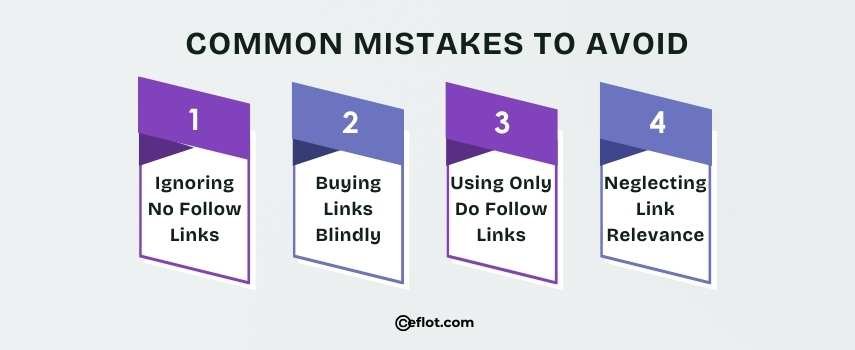
Common Mistakes to Avoid
-
Ignoring No Follow Links: They still bring traffic and exposure.
-
Buying Links Blindly: Paid links or schemes can be risky and may be considered black hat SEO.
-
Using Only Do Follow Links: A site with only do follow links may look suspicious to Google.
-
Neglecting Link Relevance: Links from unrelated sites won’t help much and can harm your SEO efforts.
Do follow links help your site rank higher, while no follow links bring visitors and visibility. A mix of both creates a strong, natural link profile. Start building quality links today to grow your site and reach more people.
Digital Marketing services in Other Locations in India
Bangalore | Hyderabad | Chennai | Pune | Ahmedabad | Coimbatore | Mumbai | Kolkata | Patna | Amritsar | Indore | Kozhikode | Trivandrum | Jaipur | Nagpur | Gwalior | Dehradun | Noida | Vizag | Raipur | Agra | Gurgaon | Madurai | Udaipur | Thrissur |