










How Branding Influencers Help Modern Marketing
Understand how influencers boost brand visibility and engagement in modern marketing. See how they make brands more visible and engaging.
In my years as a digital marketing specialist, I've seen many trends come and go, but one that’s continually gaining traction is the certain power of branding influencers. The shift from traditional advertising to more authentic, relatable marketing strategies has become increasingly evident. The days are over when businesses depend only on billboards, TV ads, and print media to get the word out. Branding influencers are taking centre stage, redefining how brands connect with their audience and building loyalty through trust. What makes branding influencers such a valuable asset for businesses? It’s simple, they bridge the gap between brands and consumers in a way that feels personal and real, driving engagement and sales like never before.
The key benefits they bring and why every business should consider using this strategy to boost their success. By understanding how influencers can impact brand visibility and drive engagement, you’ll be better equipped to make informed decisions for your marketing efforts. Whether you’re a small startup or an established brand, influencer marketing can help you reach new audiences and build stronger, more personal connections with your customers. Let's break down how this powerful tool works and how it can lead to real, measurable results for your business.
What Are Branding Influencers?
Branding influencers are individuals who have a large following on social media platforms, blogs, or YouTube channels. They have established credibility in specific niches and hold the power to influence the opinions, behaviours, and purchasing decisions of their followers. These influencers may not necessarily be celebrities, often, they are everyday people who have built a community of engaged followers around their expertise or passion in a particular area. Whether it's fashion, technology, beauty, or fitness, influencers in branding work as the bridge between businesses and their target audiences by promoting products, services, or ideas.
Why Branding Influencers Are So Effective in Modern Marketing
1. They Build Trust with Their Audience
The core value that branding influencers bring to marketing is trust. Influencers have already established a connection with their followers, built on consistent and relatable content. When an influencer endorses a product or service, it doesn’t feel like a generic advertisement, it feels like a personal recommendation from a friend. This trust is invaluable in the marketing environment, where consumers are increasingly doubtful of traditional advertisements.
2. Highly Targeted Marketing
One of the standout advantages of branding influencers is their ability to offer highly targeted marketing. Influencers typically build their audience around a specific niche, whether it's beauty, fitness, or travel. By partnering with influencers who align with a brand’s target demographic, companies can reach their ideal customers with more precision than through broad advertising strategies.
3. Boosts Engagement and Brand Visibility
Traditional ads may be seen by a large number of people, but influencers in branding bring something even more valuable to the table, engagement. Influencer followers are not just passively consuming content they actively interact with it. Whether through likes, comments, shares, or direct messages, influencer posts drive higher levels of interaction. These engagements boost the visibility of your brand and create an effect, reaching even more potential customers.
4. Influencers Drive Conversions
A key goal of any marketing campaign is to convert interest into action. Whether that action is making a purchase, signing up for a newsletter, or visiting a website, branding influencers have been shown to drive conversions effectively. Influencers can guide their followers through the decision-making process, offering discount codes, exclusive promotions, or even product demos that push their audience closer to making a purchase.
5. Long-Term Brand Loyalty
The relationship between influencers in branding and their followers is built on consistency and authenticity. When an influencer promotes a product they genuinely believe in, their followers are more likely to trust the brand behind it and become loyal customers. Over time, these loyal customers will return to your brand, advocate for it, and continue to engage with it.
How to Use Branding Influencers for Your Business
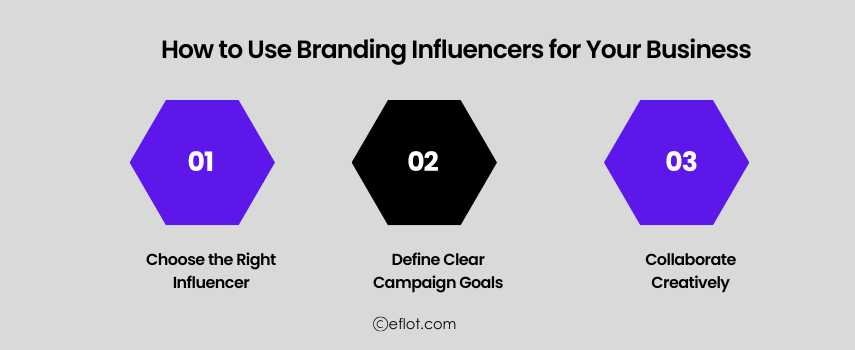
To make the most of branding influencers, businesses need to carefully consider the type of influencer they want to collaborate with and how they will integrate influencer partnerships into their broader marketing strategy. Here are some steps to follow:
1. Choose the Right Influencer
Not all influencers will be a good fit for your brand. It’s crucial to look for influencers whose values, tone, and content align with your brand. Their audience should also match your target demographic in terms of interests, age, location, and purchasing behavior. Remember, micro-influencers (those with smaller but highly engaged followings) can often deliver better results than influencers with millions of followers.
2. Define Clear Campaign Goals
Before you start your influencer campaign, define what success looks like. Are you trying to drive website traffic, generate sales, or increase brand awareness? Establishing clear KPIs (Key Performance Indicators) will help you track the success of your campaign and determine whether the influencer partnership is delivering the desired results.
3. Collaborate Creatively
Instead of simply paying influencers for a one-off post, consider building long-term relationships with them. Collaborate creatively by allowing influencers to have more control over how they present your product. Influencers know their audience best, and giving them creative freedom often results in more authentic and effective content.
Case Studies
Case Study:1
The Man Company, a brand specialising in men's grooming products, wanted to increase its brand visibility and appeal to a younger, more aspirational audience. They were looking for a digital marketing solution that would establish them as a credible player in the competitive grooming space.
Challenges:
While The Man Company had developed a strong product range, they were struggling with brand visibility and consumer trust. Despite having an appealing product line, they had difficulty reaching the right audience and converting traffic into sales. Their target demographic, predominantly young men aged 25-35, was active on social media, but traditional advertising methods were not as effective.
Solution:
The Man Company partnered with several prominent grooming influencers to create a series of tutorial videos, reviews, and social media posts. The influencers demonstrated how to use the company’s products and shared their honest experiences with their followers.
Case Study:2
MyGlamm is a constantly growing beauty and personal care brand based in India, known for offering high-quality makeup and skincare products. The brand has carved out a niche in the competitive beauty industry with its strong online presence and trend-driven product launches. However, despite having a strong product portfolio, MyGlamm faced challenges in reaching a wider audience and converting them into loyal customers. As a beauty brand targeting a younger, digital-savvy audience, the company needed to build brand awareness while maintaining a relatable and authentic image.
Challenge:
MyGlamm’s challenge was to stand out in a crowded marketplace where competition from both global brands and homegrown beauty products was fierce. Despite offering great products, MyGlamm struggled with driving meaningful engagement on social media platforms and converting that engagement into actual sales. The key issue was the lack of a personal connection with potential customers.
The brand needed to use branding influencers to create authentic content and improve its visibility among the target demographic, primarily women aged 18-34, who are heavy users of social media and value influencer recommendations when making purchasing decisions.
Solutions:
The influencer marketing campaign exceeded MyGlamm’s expectations and delivered impressive outcomes. Within the first few weeks, MyGlamm saw a 60% increase in Instagram engagement, as the influencer-generated content sparked active conversations around the brand. The #MyGlammGlow hashtag garnered over 200,000 impressions, resulting in a wider brand reach and higher social media visibility.
Branding influencers have proven themselves to be essential partners for businesses looking to make an impact in a competitive digital environment. Through trust, engagement, and authenticity, influencers can elevate your brand and drive meaningful results. By carefully choosing the right influencers and integrating them into your overall strategy, you can harness the full potential of influencer marketing to boost your brand’s visibility, build long-term customer loyalty, and ultimately increase sales. If you're looking to use the power of branding influencers for your business, start by identifying influencers whose values and audience align with your brand. With the right strategy, you can build a growing online presence and stay ahead of the competition.
Digital Marketing services in Other Locations in India
Bangalore | Hyderabad | Chennai | Pune | Ahmedabad | Coimbatore | Mumbai | Kolkata | Patna | Amritsar | Indore | Kozhikode | Trivandrum | Jaipur | Nagpur | Gwalior | Dehradun | Noida | Vizag | Raipur | Agra | Gurgaon | Madurai | Udaipur | Thrissur |