










Learn The Basic Elements of Digital Marketing
Learn the basic elements of digital marketing and enhance your skills with practical insights and industry knowledge.

Hey people, get into the interesting sector of Digital Marketing as you start on your career! Everyone expecting to succeed in today's digital marketplace must Learn the Basic Elements of Digital marketing if they are new to the subject or need to apply their skills.
We'll discuss the basic elements and tools that support digital marketing in this course. From content production to PPC advertising, from SEO to social media, we're going to Learn the basic Elements of Digital Marketing
While there are many opportunities in digital marketing, there are also many difficulties. The strong competition is one of the main problems. All brands, from the biggest companies to the smallest startups, are competing for online attention and interaction. The fast growth in digital marketing tactics and technologies is another challenge, as it can be hard for marketers to keep up with the most recent, effective strategies. In these changing conditions, having a strong knowledge of the basic concepts of digital marketing is important.
What is the meaning of digital marketing?
All marketing efforts that make use of a computer or the internet are included in the category of digital marketing. To communicate with both present and future customers, businesses use digital platforms including search engines, social media, email, and other websites. Digital marketing is one of the best ways to reach your audience in a world where over 4.5 billion people use the internet.
Learning the basic elements of digital marketing gives marketers the skills they need to successfully manage the sector's details. Having an in-depth knowledge of these principles will allow marketers to create strategic plans that are suitable to their particular objectives, be they boosting sales, attracting more customers, or raising brand awareness. Let's analyze each of these elements:

Element #1: Search Engine Optimization (SEO)
SEO (search engine optimization) is the first element.
The method of improving your website to appear higher in search engine results pages is known as search engine optimization, or SEO. This increases both the volume and quality of traffic to your website by means of organic search engine results. Important tactics may of:
-
Keyword Research: Identifying popular words and phrases people enter into search engines.
-
Content Creation: Producing high-quality content that targets these keywords.
-
On-Page Optimization: Ensuring your site’s structure and content are optimized for search engines
-
Off-Page Optimization: Building backlinks from other websites to increase your site's trustworthiness.
Element #2: Pay-Per-Click (PPC) Advertising
Pay-Per-Click advertising is a model of internet marketing in which advertisers pay a fee each time one of their ads is clicked. Essentially, it’s a way of buying visits to your site, rather than attempting to “earn” those visits organically.
-
Campaign Creation: Setting up PPC campaigns on platforms like Google Ads or Bing Ads.
-
Keyword Targeting: Choosing the right keywords to bid on.
-
Budget Management: Setting and maintaining budgets for your campaigns.
Element #3: Social Media Marketing
Social media marketing involves promoting your brand and your content on social media channels to increase brand awareness, drive traffic, and generate leads for your business.Platform Selection: Choosing the right social media platforms where your target audience is most active; be it Facebook, LinkedIn, Instagram, or Twitter.
-
Content Strategy: Creating and distributing content that appeals to your audience.
-
Engagement: Engaging with followers, responding to queries in real time, and moderating discussions.
-
Platform Selection: Choosing the right social media platforms where your target audience is most active; be it Facebook, LinkedIn, Instagram, or Twitter,.
Element #4: Content Marketing
Content marketing focuses on creating and distributing valuable, relevant, and consistent content to attract and retain a clearly defined audience — and, ultimately, to drive profitable customer action. It’s not just about blogging, but also video, podcasts, and other mediums to engage your audience
-
Content Planning: Understanding what your audience wants and planning your content accordingly.
-
Content Creation: Producing well-written, useful, and engaging content.
Element #5: Email Marketing
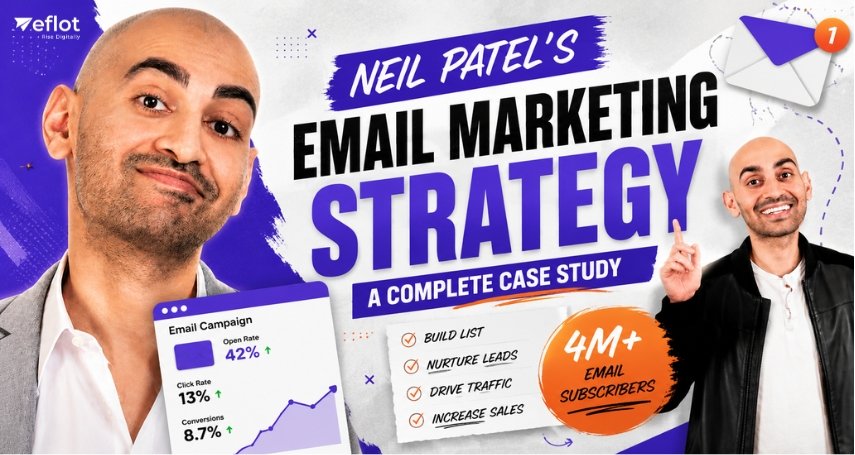
Email marketing involves using email to build relationships with your audience. By sending regular updates, promotions, and personalized messages, you keep your subscribers connected and engaged. It's a direct and personal way to communicate, making your customers feel valued and informed.
-
Segmentation: Divide your audience into segments based on demographics, behavior, or preferences to send more targeted and relevant emails.
-
Automation: Utilize automated email sequences to nurture leads and customers over time, such as welcome emails, follow-ups, or promotional offers.
Element #6:Mobile Marketing
With the increasing use of smartphones, it’s essential to adapt your digital marketing strategies for mobile. This includes ensuring that your website is mobile-friendly and that your advertising and content are optimized for viewing on smaller screens. Mobile marketing helps you reach your audience wherever they are.
-
User Experience (UX): Ensure your mobile content is easy to navigate, fast-loading, and visually appealing to enhance user engagement.
-
Location-Based Marketing: Leverage GPS technology to offer promotions and content relevant to a user's location, enhancing the immediacy and relevance of your communications.
-
Mobile Apps: Consider developing a mobile app to provide a more interactive and convenient experience for users, potentially increasing customer loyalty.
Element #7: Affiliate Marketing
Affiliate marketing is a performance-based system where you collaborate with affiliates who promote your products. In return, they earn a commission for each sale made through their referral. This method leverages the networks of others to increase your product's visibility and sales
-
Choose the Right Affiliates: Partner with affiliates whose audiences align with your brand and products to ensure better promotion and relevance.
-
Incentive Structures: Develop attractive commission models and incentives to motivate affiliates to perform better.
Element #8:Digital Advertising
Digital advertising extends beyond PPC to include various forms of online ads such as banner ads, display ads, and retargeted ads. These ads help in attracting and engaging potential customers across different digital platforms, increasing your brand’s visibility and driving more traffic to your site.
-
Targeting Options: Utilize advanced targeting options to reach specific demographics, interests, and behaviors, ensuring your ads are shown to the most relevant audience.
-
Creative Formats: Experiment with different ad formats such as video, interactive ads, or carousel to see what best engages your target audience.
-
Budget Control: Regularly monitor your spending and adjust bids and budgets to optimize your ROI from each ad campaign.
Element #9:Web Analytics
Web analytics involves the collection and analysis of web data to understand and optimize web usage. By tracking how users interact with your site, you can make informed decisions to improve your website’s performance and create better experiences for your visitors.
-
Custom Dashboards: Set up customs that focus on your KPIs to quickly assess the performance of your digital marketing efforts.
-
User Flow Analysis: Understand how users navigate through your site to identify any bottlenecks or drop-off points that could be optimized.
-
A/B Testing: Regularly conduct A/B tests based on analytics insights to compare different versions of your website or content to see which performs better.
Element #10:Influencer Marketing
In influencer marketing, you partner with influential figures within your industry who can authentically promote your brand to their followers. Their endorsement adds credibility and extends your reach, helping you connect with larger audiences and build trust more quickly.
-
Authentic Partnerships: Choose influencers who resonate with your brand values and have a genuine connection with their audience.
-
Content Collaboration: Collaborate on content creation to ensure that the influencer's posts align with your brand while still being true to their unique style and voice.
-
Performance Analysis: Measure the effectiveness of influencer campaigns by tracking metrics such as engagement rates, traffic, and conversions attributed to each influencer.
You can create a strong digital marketing plan that connects with your target audience by understanding and using these elements. All prepared to go further and study these categories? Let's work together to make your digital marketing action a success!
Digital Marketing services in Other Locations in India
Bangalore | Hyderabad | Chennai | Pune | Ahmedabad | Coimbatore | Mumbai | Kolkata | Patna | Amritsar | Indore | Kozhikode | Trivandrum | Jaipur | Nagpur | Gwalior | Dehradun | Noida | Vizag | Raipur | Agra | Gurgaon | Madurai | Udaipur | Thrissur |