







Features of PPC ads service
Learn the key features of PPC ads service, understand its benefits, and how it can drive targeted traffic to your website effectively.

Over the years, I’ve worked with businesses of all sizes to improve their online visibility, and one thing I’ve learned is that Pay-Per-Click (PPC) advertising is a game-changer. I’ve seen how it has transformed businesses that were struggling to reach their target audience and generate sales. As a digital marketing specialist, I’ve helped businesses use PPC to gain instant visibility on search engines and connect with the right customers. It’s one of the most efficient tools in digital marketing because it works fast and delivers measurable results.
What makes PPC so powerful is its unique features. The Features of PPC allow businesses to target specific audiences, control their budgets, and track the performance of their ads in real time. For example, I worked with a local business in Bangalore that wanted to attract more foot traffic. Through a well-planned PPC campaign, we targeted keywords like “best bakery near me” and used geo-targeted ads to reach people in their area. Within a few weeks, they saw a noticeable increase in customers. The Features of PPC make it accessible to everyone, whether you’re running a startup or a global enterprise. Let’s understand what makes PPC such a powerful advertising tool.
What is PPC Advertising?
Pay-per-click (PPC) advertising is a form of online marketing where businesses pay a fee each time their ad is clicked. Essentially, it’s a way of buying visits to your site rather than earning them organically. PPC ads appear on platforms like Google, Bing, Facebook, Instagram, and even LinkedIn. The most common example of PPC is Google Ads, where businesses bid on specific keywords to display their ads on the search engine results page.
Unlike traditional advertising methods, PPC ensures that your budget is spent efficiently. Since you’re only charged for actual clicks, you can easily measure the effectiveness of your campaigns. This is why PPC has become a go-to strategy for businesses aiming for immediate results.
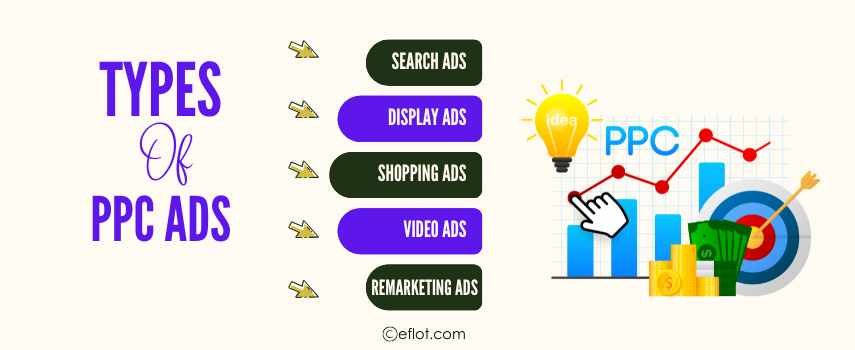
Types of PPC Ads
-
Search Ads: These ads appear at the top of search engine results for specific keywords, such as “best digital marketing agency.”
-
Display Ads: Visual ads shown on websites, apps, or YouTube, designed to increase brand awareness.
-
Shopping Ads: Product-specific ads that display product images, prices, and links, ideal for e-commerce businesses.
-
Video Ads: These appear on platforms like YouTube and are effective for storytelling and engaging audiences.
-
Remarketing Ads: Ads targeting users who have previously visited your website, helping you re-engage potential customers.
Key Features of PPC Ads Service
1. Precise Audience Targeting
One of the standout Features of PPC is its ability to target specific audiences. With PPC, you can define who sees your ads based on several criteria, such as:
-
Keywords: Display ads to users searching for specific terms related to your business.
-
Demographics: Narrow down your audience by age, gender, location, and even income levels.
-
Behavior and Interests: Target users based on their browsing behavior, previous purchases, or expressed interests.
2. Cost Control and Budget Flexibility
PPC gives businesses full control over their budgets. You can set daily spending limits, allocate budgets for specific campaigns, and pause or adjust campaigns anytime. Unlike traditional advertising, PPC ensures you only pay for actual engagement (clicks), making it a highly cost-effective option.
Key aspects of budget control include:
-
Setting a maximum cost-per-click (CPC) to avoid overspending.
-
Adjusting bids based on the performance of specific keywords.
-
Scaling budgets up or down depending on campaign results.
For small businesses, this is a huge advantage, as it allows them to compete with larger companies without exhausting their resources.
3. Instant Results and Visibility
While SEO takes time to deliver results, PPC offers immediate visibility. Once your campaign goes live, your ads start appearing on search results or social media platforms. This is particularly beneficial for:
-
Seasonal Promotions: Promote holiday sales or limited-time offers to drive quick results.
-
New Product Launches: Generate awareness and engagement instantly.
4. Real-Time Analytics and Measurable Results
One of the most important Features of PPC is its ability to provide detailed analytics. Platforms like Google Ads and Facebook Ads offer insights into:
-
Click-through rates (CTR)
-
Conversion rates
-
Impressions and ad engagement
-
Cost-per-click (CPC) and overall ROI
5. Remarketing Capabilities
Remarketing is one of the most effective Features of PPC, enabling businesses to re-engage users who visited their site but didn’t make a purchase. These ads are strategically shown to potential customers across platforms, reminding them of your product or service.
Examples of remarketing strategies include:
-
Displaying ads with a discount offer to users who abandoned their shopping cart.
-
Showing ads with product benefits or testimonials to users who visited a service page.
6. Customization and A/B Testing
PPC campaigns are highly customizable, allowing businesses to test and refine their ads for maximum impact. A/B testing is a popular feature where advertisers create multiple versions of an ad to determine which performs best.
Customization options include:
-
Testing different headlines, ad copy, and call-to-action buttons.
-
Using various ad formats like text, display, or video ads.
-
Adjusting targeting parameters based on campaign performance.
Why Are These Features Important for Businesses?
The Features of PPC are designed to help businesses achieve their marketing goals with precision and efficiency. Key benefits include:
-
Boosted ROI: Precise targeting ensures that ad spend translates into meaningful engagement.
-
Enhanced Brand Awareness: Even if users don’t click on your ads, seeing them in search results builds recognition.
-
Improved Customer Retention: Remarketing ads keep your brand in front of potential customers.
-
Flexibility: Businesses of all sizes can leverage PPC to drive growth.
Advantages of PPC Ads
-
Immediate Results: PPC ads start driving traffic as soon as they go live, making them ideal for businesses seeking quick visibility.
-
Precise Targeting: With PPC, you can target users based on location, demographics, keywords, interests, and even browsing behavior.
-
Budget Control: You have complete control over how much you spend, with the ability to set daily budgets and maximum costs per click.
-
Measurable Performance: PPC platforms provide detailed analytics to track impressions, clicks, and conversions, helping you assess ROI.
-
Increased Brand Visibility: Even if users don’t click, seeing your ad builds awareness and trust.
Top Benefits of PPC Advertising
-
High ROI: With PPC, you pay only for actual clicks, ensuring cost-effective spending.
-
Targeted Reach: Ads are shown to users actively searching for your product or service, increasing the likelihood of conversions.
-
Real-Time Adjustments: You can optimize campaigns on the go, adjusting bids, targeting, or creatives as needed.
-
Scalability: PPC campaigns can scale with your budget, making them suitable for both small businesses and large enterprises.
-
Boosts Sales: By driving traffic to specific landing pages, PPC ads directly contribute to higher conversions and revenue.
Case Studies
Case Study1:
UrbanFit, a gym and fitness centre chain in Bangalore, wanted to increase membership sign-ups for its newly opened branches. The challenge was to compete with established gyms in the area and attract fitness enthusiasts within a specific location radius.
Challenges:
-
Competing with larger gyms with bigger marketing budgets.
-
Reaching potential members within a 5 km radius of each branch.
-
Generating immediate inquiries and sign-ups during the introductory offer period.
Results:
-
A 60% increase in website inquiries for gym memberships within two months.
-
The branches reached 80% of their target capacity during the campaign period.
-
Remarketing ads brought back 30% of potential customers who initially didn’t convert.
Case Study2:
EcoGlow, a small manufacturer of eco-friendly LED lighting products, wanted to expand its online sales and increase visibility in the competitive lighting industry. They needed a strategy that would highlight their products and drive purchases on their e-commerce site.
Challenges:
-
Competing with big brands like Philips and Syska in the LED lighting category.
-
Showcasing the unique features of their eco-friendly LED lights to a cost-conscious audience.
-
Increasing conversions on their e-commerce website.
Results:
-
A 75% increase in online sales within three months.
-
Shopping ads generated a 40% higher click-through rate (CTR) compared to regular search ads.
-
EcoGlow’s LED lights began ranking on the first page of Google Shopping results for competitive keywords like “best LED lights in India.”
The Features of PPC make it one of the most powerful tools in digital marketing. From precise targeting and real-time analytics to flexibility and scalability, PPC allows businesses to achieve measurable results efficiently. Whether you’re a small local business or a global enterprise, Using PPC can help you reach your audience, drive traffic, and boost conversions. By understanding and utilizing the unique features of PPC, businesses can create campaigns that deliver lasting success in today’s competitive digital environment.
Digital Marketing services in Other Locations in India
Bangalore | Hyderabad | Chennai | Pune | Ahmedabad | Coimbatore | Mumbai | Kolkata | Patna | Amritsar | Indore | Kozhikode | Trivandrum | Jaipur | Nagpur | Gwalior | Dehradun | Noida | Vizag | Raipur | Agra | Gurgaon | Madurai | Udaipur | Thrissur |