
























How SEO Works in Digital Marketing? A Beginner’s Guide
Learn how SEO works in digital marketing, including key strategies for improving visibility, organic search rankings, and traffic.

Understanding how SEO works in digital marketing is critical to success. Search engine optimization (SEO) is critical for increasing online presence and driving organic traffic to websites. It involves enhancing several aspects of a website, including its content and technical structure, to increase its ranking on search engine results pages (SERPs). As organizations increasingly use digital channels, good SEO methods have become essential.
As a digital marketing specialist with years of experience, I have seen how SEO impacts online marketing efforts. In my early career days, I worked with small businesses that faced challenges in gaining visibility in the crowded digital landscape. By implementing targeted SEO strategies, we were able to improve their visibility, drive traffic to their websites, and ultimately increase conversions. This experience highlighted the importance of understanding how SEO works in digital marketing and its potential business benefits.
Understanding SEO in Digital Marketing
How SEO works in digital marketing can be broken down into several key components. These include keyword research, on-page optimization, technical SEO, link building, and content creation. Each element plays a role in ensuring that a website ranks well on search engines, thereby attracting more visitors.
-
Keyword Research:
-
The foundation of any successful SEO strategy is thorough keyword research. This process involves identifying potential customers' words and phrases when searching for products or services. By understanding these keywords, businesses can create content that aligns with user intent. This is essential in how SEO works in digital marketing since targeting the right keywords directly influences the amount of organic traffic a website receives. Common tools used for keyword research include Google Keyword Planner and SEMrush.
-
On-Page Optimization:
-
Once keywords are identified, the next step is on-page optimization. This refers to optimizing individual web pages to rank higher in search results. Key elements include optimizing title tags, meta descriptions, headers, and content with the targeted keywords. Properly formatted and keyword-rich content enhances how SEO works in digital marketing, making it easier for search engines to understand the context of a page. This involves not just keywords but also user experience factors like readability and engagement.
-
Technical SEO:
-
Technical SEO focuses on the backend of a website. This includes optimizing site speed, ensuring mobile-friendliness, implementing structured data, and improving site architecture. A well-structured website that loads quickly not only enhances user experience but also positively impacts search engine rankings. Understanding how SEO works in digital marketing involves recognizing the significance of these technical elements, which include optimizing URLs and ensuring proper site indexing.
-
Link Building:
-
Link building is a critical aspect of SEO that involves acquiring backlinks from other websites. Quality backlinks signal to search engines that a site is credible and authoritative. This helps improve search rankings and visibility. In how SEO works in digital marketing, a robust link-building strategy can enhance a website’s domain authority, driving more organic traffic. Techniques such as guest blogging and partnerships can be effective in building quality links.
-
Content Creation:
-
Content is at the heart of SEO. High-quality, relevant content that provides value to users is essential for attracting and retaining visitors. Regularly updated content, such as blog posts, articles, and guides, keeps a website fresh and engaging. This not only helps in how SEO works in digital marketing but also establishes a brand as an authority in its industry. Content should address user needs and include relevant keywords naturally.
The Three Pillars of SEO
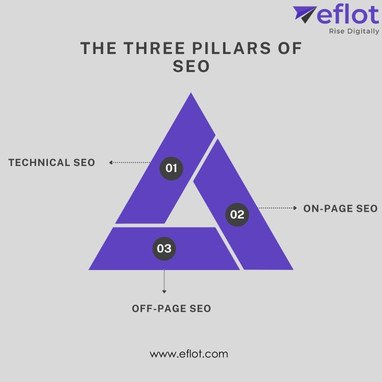
The three pillars of SEO Technical SEO, On-Page SEO, and Off-Page SEO—are essential for understanding how SEO works in digital marketing.
-
Technical SEO: This pillar focuses on the backend structure and foundation of a website. It involves optimizing site speed, mobile-friendliness, indexing, crawling, site architecture, and structured data. A well-optimized technical framework ensures that search engines can easily access, crawl, and index a website’s content, improving its chances of ranking higher in search results.
-
On-Page SEO: On-page SEO refers to the optimization of individual web pages to improve their rankings and drive relevant traffic. This includes optimizing content with relevant keywords, improving meta tags (such as title tags and meta descriptions), using header tags properly, and enhancing images with alt text. On-page SEO ensures that both search engine optimization and users find the content relevant and valuable.
-
Off-Page SEO: Off-page SEO encompasses all the activities that occur outside of the website to improve its ranking in search results. This primarily involves building backlinks from other reputable sites, which signals to search engines that the content is credible and valuable. Social media marketing, influencer outreach, and online reputation management also fall under off-page SEO, as they contribute to enhancing a website’s authority and visibility.
The Benefits of SEO in Digital Marketing
Understanding how SEO works in digital marketing involves recognizing the numerous benefits that come with a solid SEO strategy.
-
Increased Organic Traffic: One of the key advantages of SEO is the increase in organic traffic. By optimizing a website to rank higher in search results, businesses can attract more visitors without relying on paid advertising. This sustainable traffic source can lead to higher conversion rates and revenue.
-
Cost-Effectiveness: Compared to traditional marketing methods, SEO is a cost-effective strategy. While it may require an investment in time and resources, the long-term benefits of increased visibility and traffic often exceed the costs. This aligns perfectly with understanding how SEO works in digital marketing.
-
Enhanced User Experience: SEO focuses on user experience. By optimizing a website’s structure and content, businesses can create a more user-friendly experience. This can lead to lower bounce rates and higher engagement, both of which contribute to better search rankings.
-
Builds Brand Credibility and Trust: Ranking higher in search results can establish credibility and trust with potential customers. Users tend to trust websites that appear at the top of search results, which is essential for any digital marketing strategy.
-
Long-Lasting Results: Unlike paid advertising, which stops delivering results once the budget runs out, the effects of SEO can be long-lasting. A well-optimized website can continue to attract traffic for months or even years, making it a valuable investment in the digital marketing landscape.
Key Objectives of SEO in Digital Marketing
Here are the key objectives of SEO in digital marketing:
-
Increase Organic Traffic:
-
The primary objective of SEO is to boost the volume of organic traffic to a website by improving its visibility in search engine results. Higher rankings for relevant keywords lead to more visitors.
-
Enhance User Experience:
-
SEO focuses on improving website usability and experience. By optimizing site structure, load times, and mobile-friendliness, SEO enhances user satisfaction and encourages longer visits.
-
Improve Search Engine Rankings:
-
A fundamental goal of SEO is to achieve higher rankings on search engine results pages (SERPs). Improved rankings increase the likelihood of clicks and visits to the website.
-
Build Brand Credibility and Trust:
-
Ranking high in search results establishes authority and credibility. Users tend to trust websites that appear at the top, leading to increased brand trust and recognition.
-
Targeted Audience Engagement:
-
SEO helps attract a more relevant audience by targeting specific keywords related to a business's products or services. This targeted traffic is more likely to convert into leads or sales.
Measuring the Success of SEO Strategies
To fully understand how SEO works in digital marketing, businesses must implement measurement and analytics tools to assess the effectiveness of their SEO strategies.
-
Using Google Analytics:
-
Google Analytics is a powerful tool for tracking website traffic, user behavior, and conversion rates. By analyzing this data, businesses can gain insights into which SEO strategies are working and where improvements are needed.
-
Monitoring Keyword Rankings:
-
Regularly checking keyword rankings can help businesses understand their visibility in search results. Tools like SEMrush and Ahrefs allow users to track changes in keyword positions over time, providing valuable feedback on SEO efforts.
-
Evaluating Conversion Rates:
-
The success of SEO can also be measured by its impact on conversion rates. By analyzing how many visitors complete desired actions such as making a purchase or signing up for a newsletter businesses can assess the effectiveness of their SEO strategies.
Understanding how SEO works in digital marketing is critical for companies hoping to be successful in a world that is becoming increasingly online. Organizations may develop a strong SEO strategy that promotes organic traffic and increases brand visibility by focusing on important components such as keyword research, on-page optimization, technical SEO, link building, and content production.
As an expert in digital marketing, I suggest businesses appreciate the importance of SEO in their overall marketing strategy. Companies that invest in excellent SEO tactics can boost their search engine results and establish a long-term online presence that builds client trust and loyalty. In a competitive environment, understanding how SEO works in digital marketing will assist set the road for long-term business success.
Digital Marketing services in Other Locations in India
Bangalore | Hyderabad | Chennai | Pune | Ahmedabad | Coimbatore | Mumbai | Kolkata | Patna | Amritsar | Indore | Kozhikode | Trivandrum | Jaipur | Nagpur | Gwalior | Dehradun | Noida | Vizag | Raipur | Agra | Gurgaon | Madurai | Udaipur | Thrissur |