













How LSI Keywords Drive More Traffic for Your Business
Boost your website traffic by using LSI keywords! Discover how these powerful terms can improve SEO, increase rankings, and drive more targeted visitors.

Are you having trouble getting organic traffic to your site?
How would you like a simple method that can boost your SEO efforts and drive more visitors to your website? LSI Keywords can help! LSI keywords help companies improve their search engine visibility and attract traffic with intent. In our increasingly crowded digital world, the importance of strategically leveraging LSI (Latent Semantic Indexing) keywords in your content can help solidify your business's online presence.
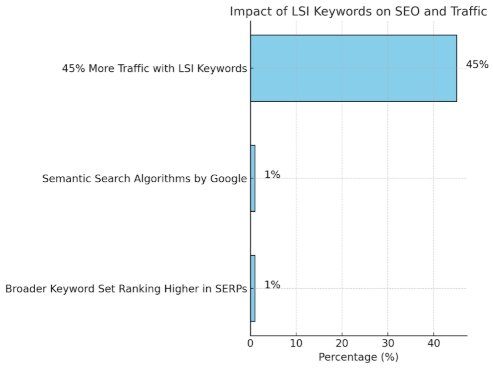
According to Moz, websites using a broader set of related keywords, including LSI keywords, rank higher in search engine results pages (SERPs). Google has even admitted they use semantic search algorithms to understand the content more contextually. SEMrush also states that content that uses relevant Latent Semantic Indexing Terms receives 45% more search engine traffic than content without relevant LSI keywords.
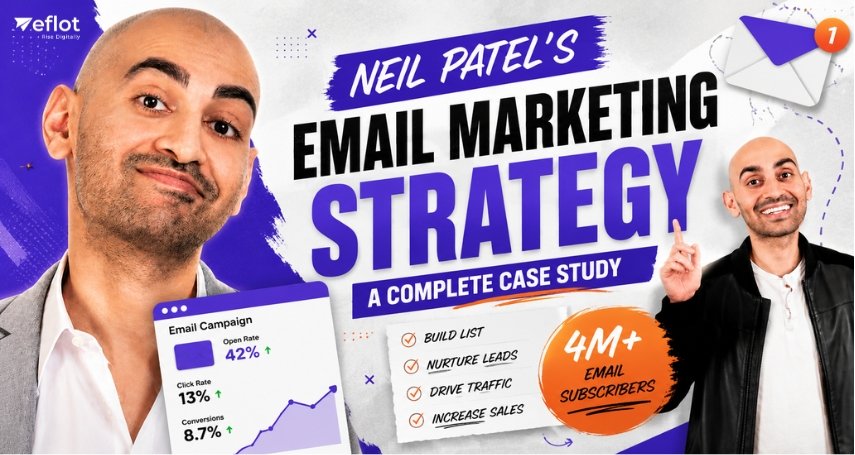
HubSpot, a well-known marketing and sales platform, has focused significant attention on LSI keywords in its content approach. LSI keywords helped HubSpot layer in a variety of both LSI and primary keywords into their blog articles and content, which provided them with rankings not simply for one high-traffic term, but for many search queries associated with that term. For instance, HubSpot originally targeted the term "email marketing," but also targeted LSI keywords including "email campaigns," "automated email strategies," or "lead nurturing," that allowed them to rank for similar search queries.
As a result, HubSpot was able to rank for hundreds of related terms with this content strategy and receive organic traffic and visibility. Their content became more relevant to users who were searching for related solutions, which drove more engagement and ultimately more conversions.
What Are LSI Keywords?
LSI Keywords, or Latent Semantic Indexing Keywords, are words or phrases that are semantically related to your target keyword. LSI keywords are not synonyms; they are contextually related and lend meaning to your content. As an example, if your primary keyword is "digital marketing," then Latent Semantic Indexing Terms might utilize terms such as "SEO," "content marketing," "social media strategy," or "PPC campaigns." All of the related terms help search engines better understand the content of your page and also rank it for specific search queries..
The differentiating factor between Latent Semantic Indexing Terms and normal keywords is that Latent Semantic Indexing Terms focus on the semantic relationship between words. Targeting a keyword is an integral part of SEO, however, Latent Semantic Indexing Terms help fill in the aspects surrounding that keyword to provide a more robust and relevant response for the search engines. Including this semantic relevance helps your content to rank for more related key phrases in turn, providing more potential clients.
Why LSI Keywords Are Essential for Driving More Traffic
-
Improved Search Engine Ranking
By integrating Latent Semantic Indexing Terms into your content, you signal to search engines that your content is rich, relevant, and authoritative. Search engines, like Google, have evolved to understand the context and intent behind a search query, not just the individual keywords. When you use Latent Semantic Indexing Terms effectively, your content is more likely to match a variety of search terms, boosting its chances of ranking higher on SERPs. This increased visibility translates directly to more organic traffic.
For example, if someone searches for "digital marketing services," Google might also surface pages that mention Latent Semantic Indexing Terms like "online marketing," "search engine optimization," or "brand awareness campaigns." By using a mix of relevant LSI keywords, your page stands a higher chance of appearing in these additional search results, bringing in more visitors.
-
Enhanced Content Relevance and User Engagement
Using Latent Semantic Indexing Terms improves the overall relevance of your content. When you weave these related terms naturally into your articles, you’re offering more value to the reader. This not only helps your page rank for more long-tail keywords but also provides a better user experience. Search engines like Google reward content that provides value to the user, and this is where Latent Semantic Indexing Terms come into play.
-
Better Long-Tail Keyword Targeting
Long-tail keywords are search phrases that are longer and more specific, but they often generate highly targeted traffic. Using Latent Semantic Indexing Terms helps businesses target these long-tail keywords more effectively. For example, instead of only targeting the highly competitive term "SEO," you could target related long-tail keywords like "best SEO practices for small businesses" or "affordable SEO services for startups." Including Latent Semantic Indexing Terms in your content helps you naturally incorporate these longer phrases into your content, which can drive highly qualified traffic to your site.
-
Higher Conversion Rates
When your content is highly relevant to the searcher’s intent, it increases the likelihood of conversion. Latent Semantic Indexing Terms help ensure that your content matches a wide variety of search queries related to your business, meaning more visitors are likely to find your website. Additionally, by addressing a wider range of user queries through relevant LSI keywords, you’re able to build more trust and credibility with your audience, which leads to higher conversion rates.
-
Better SEO Optimization and Reduced Keyword Stuffing
By using LSI keywords, you can avoid keyword stuffing, which is a technique that was once used to artificially increase rankings but is now penalized by Google’s algorithms. Instead of overusing a single keyword, Latent Semantic Indexing Terms allow you to maintain a natural flow in your content while still optimizing for a broader range of relevant terms. This makes your content more readable and valuable to the user, while also preventing any potential penalties from Google.
How to Use LSI Keywords Effectively
-
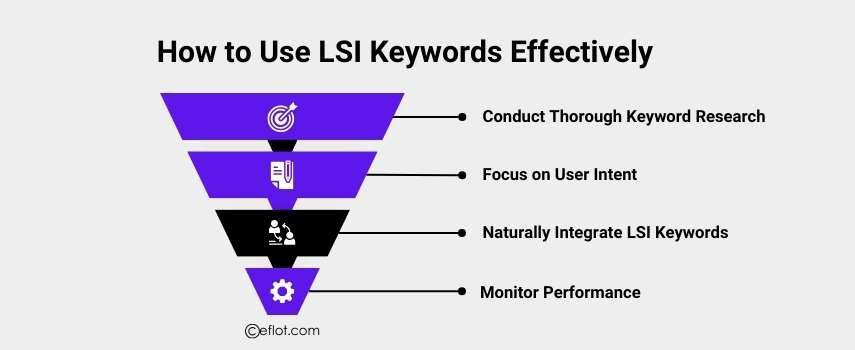
Conduct Thorough Keyword Research: Start by identifying your primary keyword and researching related terms. Tools like Google Keyword Planner, SEMrush, and LSI Graph can help you find relevant LSI keywords for your content.
-
Focus on User Intent: Choose LSI keywords that match the intent behind your target audience's search queries. Make sure the content answers their questions comprehensively.
-
Naturally Integrate LSI Keywords: Weave Latent Semantic Indexing Terms naturally into your content. Don’t force them, as it can make the content feel unnatural. Focus on adding value to the reader while maintaining SEO relevance.
-
Monitor Performance: Track the performance of your content with tools like Google Analytics and Google Search Console. See which keywords are driving traffic and optimize your strategy based on the results.
LSI Keywords are an excellent way to increase organic traffic to your site. They can greatly impact your SEO strategy by improving search rankings, improving the relevance of your content, targeting long-tail keywords, and increasing conversions. Integrating Latent Semantic Indexing Terms into your content marketing strategy is a natural and effective way to enhance your SEO efforts and certainly help drive more qualified traffic to your website.
Are you ready to take your SEO to the next level with LSI Keywords? If so, please reach out to us at [email protected] to discover more about how we can help you leverage LSI Keywords today and build a continued, optimized content strategy that will drive traffic!
Digital Marketing services in Other Locations in India
Bangalore | Hyderabad | Chennai | Pune | Ahmedabad | Coimbatore | Mumbai | Kolkata | Patna | Amritsar | Indore | Kozhikode | Trivandrum | Jaipur | Nagpur | Gwalior | Dehradun | Noida | Vizag | Raipur | Agra | Gurgaon | Madurai | Udaipur | Thrissur |