













Emotional Marketing: How to Succeed in Attention Grabbing
Emotional marketing builds trust, loyalty, and memorable connections through storytelling, feelings, and campaigns that drive higher engagement and sales.
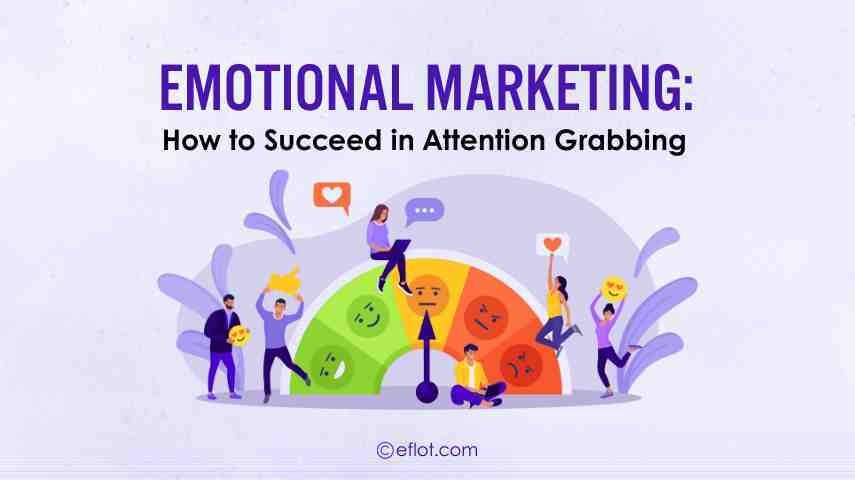
Is your Brand missing the EMOTIONAL CONNECTION that influences decisions?
Think about it, how often do we remember ads just for the product vs. how they made us feel? You might have noticed people scrolling past content, liking a post, but not really caring or taking action. That’s because most messages focus on features, not feelings.
When you tap into emotions, people don’t just notice, they remember, relate, and act. That’s exactly what emotional marketing does.
The Psychology Behind Emotional Marketing
Imagine this: an ad shows a parent hugging their child, with a small product in the background. You feel warmth, maybe a little nostalgia. You don’t consciously think, “I need this product.” Yet somewhere in your brain, a connection forms. That’s psychology at work.
Key insights to understand:
-
Fear and Urgency: Show what people could lose, but do it carefully.
-
Joy and Surprise: Positive emotions make people remember your brand and share it.
-
Trust and Safety: People stick with brands they trust; transparency matters.
-
Belonging: Ads that make people feel part of a community create loyalty.
Think of emotional marketing as speaking to the subconscious mind. Done right, it inspires action without feeling pushy.
In fact, emotionally engaging ads can boost responses and sales. Research shows campaigns that tap strong emotional reactions can increase sales by about 23% and prompt roughly 70% of buyers to say they were emotionally triggered to purchase.
How Emotional Marketing Impacts Brand Loyalty and Trust
Think of your favorite brand. Why do you keep choosing that particular brand? It’s usually not just the product; it’s how the brand makes you feel. Feeling understood, valued, or connected is what keeps customers loyal.
Key elements that build this bond:
-
Consistency: Regular messaging makes your brand familiar and recognizable. People remember brands that “show up” consistently.
-
Authenticity: Real stories about customers, employees, or founders create relatability. Audiences can tell when something feels genuine versus forced.
-
Engagement: Interactive campaigns, polls, or replies make people feel heard. Engagement strengthens the emotional connection over time.
-
Social Proof: Reviews, testimonials, and case studies validate experiences. Seeing others’ positive experiences builds confidence and trust.
-
Emotional Memory: Humor, nostalgia, and warmth make ads memorable. Brands like Amul or Fevicol use emotions to stay top-of-mind for decades.
Think of it like this: emotional marketing doesn’t just sell a product, it creates a memory that people associate with your brand.
The Power of Storytelling in Emotional Marketing Campaigns
Imagine reading a story that mirrors your life, and you instantly relate. That’s exactly what storytelling does in emotional marketing. It makes your audience feel, remember, and connect. When used in content marketing, stories turn ordinary messages into experiences that stay with people long after the ad is gone.
Key elements of effective storytelling:
1. Relatable Characters:
-
Your audience should see themselves in the story.
-
Characters with real struggles, dreams, or emotions build empathy and trust quickly.
-
Think: a young mother balancing work and home life, or a student chasing a dream, people relate instantly.
2. Conflict and Resolution:
-
Highlight a problem or challenge and show how it is solved.
-
Audiences connect deeply with stories that mirror real struggles and victories.
-
This gives them a sense of hope or possibility, making the brand feel supportive.
3. Emotional Arc:
-
A gradual build with highs and lows keeps viewers engaged.
-
Peaks of surprise, humor, or tension followed by resolution make the story memorable.
-
Imagine a campaign showing a small failure, a learning moment, and a final triumph; people remember the journey.
4. Memorable Moments:
-
A single line, visual, or twist can make the campaign unforgettable.
-
Humor, nostalgia, or inspiration ensures the brand sticks in their mind.
-
For example, a single emotional scene can trigger shares, comments, and long-term recall.
5. Consistency Across Touchpoints:
-
A story doesn’t end with a single ad, carry it through social media, emails, or website content.
-
Repetition in a narrative style reinforces brand strength and emotional recall.
6. Call-to-Emotion, Not Just Action:
-
Focus on how you want people to feel, not only what you want them to buy.
-
Emotions drive attention first; actions follow naturally when the audience is engaged.
Think of it like this: storytelling gives your brand a personality and a voice that your audience can relate to. It makes your marketing feel human, trustworthy, and memorable because people remember how you made them feel, not just what you offered.
How Emotional Marketing Shapes Decisions in the Funnel Stage
Do all emotions work the same at every stage of the funnel? Not really. Different emotions resonate depending on where a prospect is in their journey.
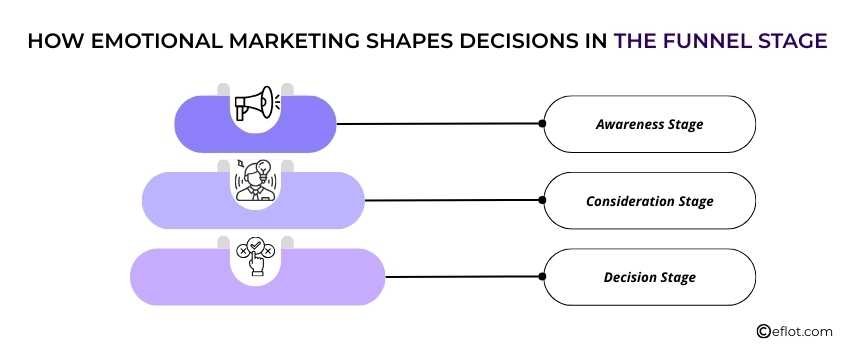
Funnel Stages:
-
Awareness Stage: At this stage, the goal is to grab attention. Emotions like joy, curiosity, or surprise work best because they make people notice and remember your brand. As this.
-
Consideration Stage: Once prospects are aware, they evaluate options. Emotions like trust, empathy, and reassurance help them feel confident that your product or service can solve their problem. As this.
-
Decision Stage: At the final stage, prospects are ready to act. Emotions like urgency, excitement, and fear of missing out (FOMO) encourage them to make a purchase or take the next step. As this.
Assume:
He/she scrolls through social media and notices a heartwarming, funny ad from brands like Amul. The content grabs their attention (Awareness), they read customer stories and reviews on the landing page (Consideration), and finally, a limited-time offer makes them take action (Decision).
Think of it like this: a single, continuous emotional journey guides the prospect naturally from awareness to action, without feeling pushy.
Mistakes That Reduce Emotional Marketing Effectiveness
Think of it: even great campaigns can fail if these errors happen:
-
Too Many Emotions at Once: Confuses the audience.
-
Inauthentic Stories: Feels fake and breaks trust.
-
Ignoring Audience Insights: Messages that don’t reflect real concerns won’t resonate.
-
Weak Calls-to-Action: Emotions must lead to clear next steps.
-
Wrong Timing or Platform: Emotions must reach the audience where and when they are receptive.
With the help of a digital marketing agency, brands can craft campaigns that connect emotionally and drive real results. A professional team ensures your messaging reaches the right audience at the right time.
Emotional marketing is about connecting with people, not just selling products. When done right, it builds trust, loyalty, and guides decisions naturally. Focus on creating meaningful experiences that your audience remembers.
Digital Marketing services in Other Locations in India
Bangalore | Hyderabad | Chennai | Pune | Ahmedabad | Coimbatore | Mumbai | Kolkata | Patna | Amritsar | Indore | Kozhikode | Trivandrum | Jaipur | Nagpur | Gwalior | Dehradun | Noida | Vizag | Raipur | Agra | Gurgaon | Madurai | Udaipur | Thrissur |