












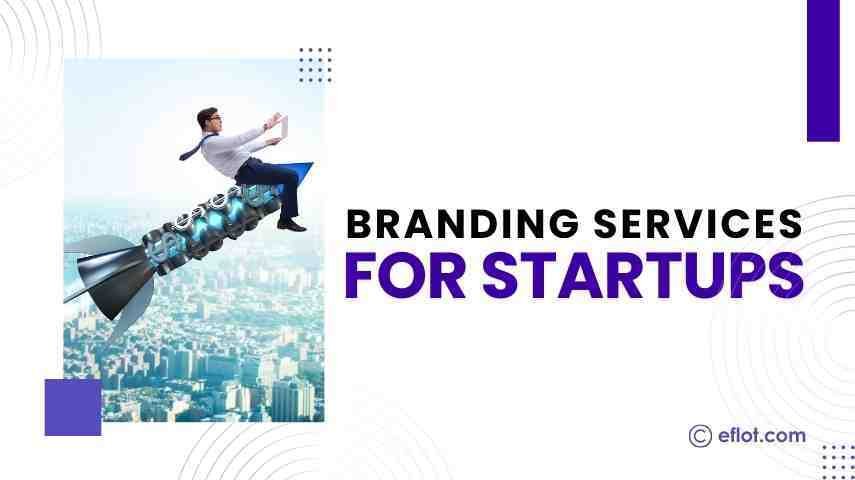
Branding Services for Startups
Learn why branding matters for startups, key elements to focus on, and when rebranding is needed to stay relevant and memorable.
When a person recognizes your brand within a few seconds through your brand colors or mascot, that instant recognition creates a powerful first impression. This brief moment is when your brand is registered in their mind. If the impression is strong, your business becomes memorable, increasing the chances of attracting and retaining customers.
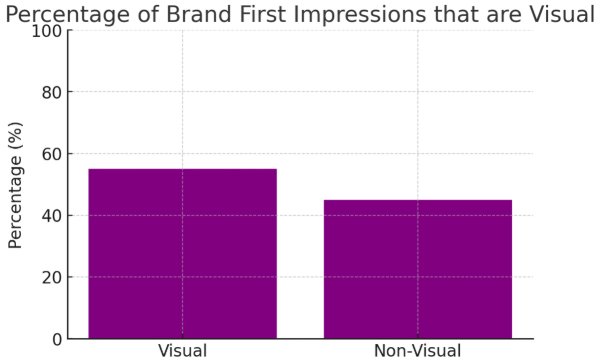
Approximately 55% of brand first impressions are visual, underscoring the significance of design elements like color and mascot in brand recognition.
The Importance of Branding for Startups
Branding is the foundation of your startup’s identity. It defines who you are, what you offer, and how you stand apart from competitors. A strong brand builds trust and recognition, making it easier for customers to connect with your business. In a market filled with choices, effective branding ensures your startup remains visible and memorable. Without clear and consistent branding, even the best products or services can struggle to gain attention and build loyalty.
The strong brand shapes how your business is perceived and influences customer decisions, leading to long-term success.
Key Elements of Branding
Effective branding is made up of several important elements that together create a cohesive identity. These include:
1. Logo
A logo is a symbol or mark that people begin to associate with your business after seeing it many times, especially when it is placed consistently on your products, website, and marketing.
Example:
The Nike shoes logo, a simple swoosh mark, is recognized around the world and immediately brings to mind sports, movement, and athletic lifestyle.
2. Color Palette
The colors a business chooses are often linked with feelings or ideas, and using the same colors across all platforms helps people connect those colors with your brand every time they see them.
Example:
Coca-Cola uses strong red and white in all its packaging and ads, which makes the brand feel energetic and helps it stand out on shelves and in ads for over a century.
3. Typography
Typography includes the font styles and sizes a brand uses across its content, and choosing the right type makes your brand easier to read and gives it a personality that matches how it wants to be seen.
Example:
Google’s use of a clean, round sans-serif font gives its website and products a simple and helpful feel, matching the ease people expect from search and tools.
4. Brand Voice
Brand voice is the tone and style of writing that a brand uses to talk to its customers in places like websites, emails, social media posts, and even chat support.
Example:
Slack uses a relaxed and clear tone in all its messages and notifications, which helps make workplace communication feel less formal and more approachable.
5. Tagline
A tagline is a short sentence that gives people a quick sense of what your brand is about, often used in ads, websites, or packaging to leave a strong impression.
Example:
Apple’s “Think Different” tagline helped position the brand as a choice for people who value creativity, innovation, and products that are designed with purpose.
Each of these elements must align with your brand’s core values and mission to ensure a consistent and impactful presence.
The Role of Mascots
-
Brand Identity: Mascots help create a unique and recognizable identity for your startup.
-
Humanizing Your Brand: A mascot adds personality, making your brand feel more relatable.
-
Emotional Connection: Mascots build strong emotional bonds with customers.
-
Reflecting Values: A mascot symbolizes your brand’s core mission and values.
-
Brand Recall: Mascots help your brand stay top-of-mind for customers.
A great example is Amul’s mascot, the "Amul Girl," which has made the brand instantly recognizable and beloved across India, combining wit and familiarity to connect with audiences.
Steps to Improve Your Brand Strength
Improving your startup’s brand strength requires a thoughtful approach. Here are the steps you should take to strengthen your brand:
-
Consistent Messaging: Ensure that your message is clear and consistent across all channels, from your website to social media.
-
Customer Engagement: Build strong relationships with your customers by engaging with them regularly through feedback and communication.
-
Brand Experience: Focus on creating a seamless and positive experience for your customers, both online and offline.
-
Innovative Branding: Keep your brand fresh and relevant by staying up to date with trends and continuously adapting to customer needs.
-
Reinforce Core Values: Make sure your branding reflects your startup’s mission and values in every aspect of your business.
By focusing on these steps, you can create a brand that stands the test of time and builds lasting customer loyalty.
Benefits of Branding Services for Startups
-
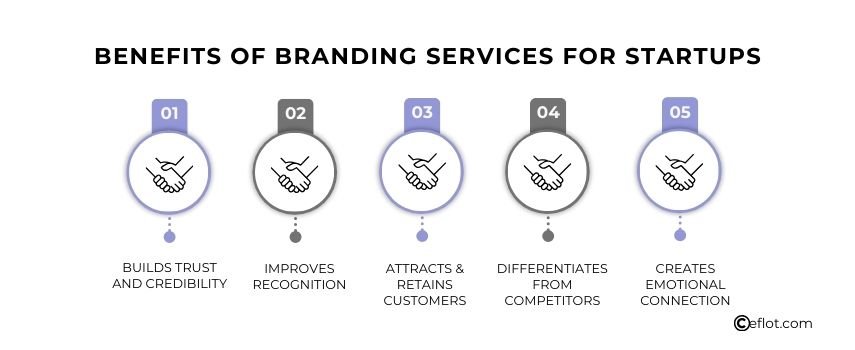
Builds Trust and Credibility
A strong and consistent brand helps establish trust with customers. When people see a professional, well-designed brand, they are more likely to believe your business is reliable and trustworthy, leading to stronger customer relationships.
-
Improves Recognition
Effective branding ensures your startup stands out and is easily recognizable. When customers repeatedly encounter your brand, whether online or offline, it sticks in their minds, making it easier for them to remember you when they need your product or service.
-
Attracts and Retains Customers
Branding attracts the right audience and keeps them coming back. It helps communicate your values and message clearly, so customers feel a connection to your business, leading to higher customer loyalty and retention over time.
-
Differentiates from Competitors
In a crowded market, branding gives your startup a unique identity that sets you apart from competitors. With a distinct brand, customers can easily understand what makes your startup different and why they should choose you over others.
-
Creates Emotional Connection
Branding helps build an emotional connection with your audience. By aligning your brand with the values and needs of your customers, you can foster a deeper bond that goes beyond just selling products, encouraging loyalty and advocacy.
When to Consider Rebranding Your Startup
Rebranding means updating how your business presents itself, this could include your name, logo, or messaging. It’s a serious step and should be backed by clear reasons. In many cases, rebranding success comes from making your identity match your current goals, audience, or market position. Below are key situations where rebranding makes sense.
-
Business Shift: If your products, services, or goals have changed over time, and your current brand no longer reflects what you do, it may be time to update it.
-
Audience Change: If your customers are no longer the same group you originally targeted, your branding may need to shift to speak to this new audience more clearly.
-
Reputation Issues: When your brand has been affected by negative feedback or public perception, a rebrand can help you start fresh and rebuild trust.
-
Outdated Design: If your logo, website, or visual style feels old or no longer fits your industry, a more modern identity can help you stay relevant.
Branding tells people what your startup is, what it offers, and why it’s different. Every part, logo, tone, design, and message, affects how others see your business. If your current brand doesn’t match your product or audience, it needs to be updated. Clear and consistent branding helps your startup stay recognizable and trusted.
Ready to Work on Your Brand?
Call 7996669915 or email [email protected] to discuss your business needs.
Digital Marketing services in Other Locations in India
Bangalore | Hyderabad | Chennai | Pune | Ahmedabad | Coimbatore | Mumbai | Kolkata | Patna | Amritsar | Indore | Kozhikode | Trivandrum | Jaipur | Nagpur | Gwalior | Dehradun | Noida | Vizag | Raipur | Agra | Gurgaon | Madurai | Udaipur | Thrissur |