



AI Strategies for High-Conversion Ad Landing Pages
Turn landing page visitors into customers with AI-driven optimization, clear CTAs, personalized content, and engaging visuals.

Ever had someone click your ad and leave the landing page right away? So frustrating!
Businesses often face this:
-
Ads promise one thing, page delivers another
-
Long forms or cluttered layouts
-
Slow or non-mobile-friendly pages
-
Unclear calls-to-action
Even strong marketing can fail if the page confuses visitors.
Quick fix: AI landing page optimization ads and website landing page optimization guide visitors and increase conversions.
Landing on a page that feels personal, fast, and clear keeps visitors engaged and ready to act.
The Biggest Obstacles to Landing Page Conversions
Conversions don’t happen by accident. Many landing pages struggle because of simple, fixable issues:
-
Ads & Pages Don’t Match
Visitors click an ad expecting one thing but see something else.
Confusion = instant drop-off. -
Slow or Cluttered Pages
Long load times, messy layouts, too much text.
Google says 53% of mobile users leave if a page takes more than 3 seconds to load. -
Weak Calls-to-Action (CTAs)
Buttons are missing, hidden, or unclear.
If visitors don’t know what to do next, they leave. -
Generic Content That Feels the Same for Everyone
First-time visitors vs returning users? They need different messaging.
Generic pages fail to connect. -
Limited Insights Into Visitor Behavior
Without tracking clicks, scrolls, and forms, you can’t tell what’s working.
This leads to changes based on assumptions, not facts. -
Forms That Are Too Long or Confusing
Visitors don’t like filling out lengthy forms.
Each extra field can reduce conversions by 25–30% (HubSpot). -
Poor Mobile Experience
More than half of internet traffic comes from mobile.
Pages that aren’t responsive lose visitors fast. -
Lack of Social Proof or Trust Signals
Visitors need reassurance: reviews, testimonials, or secure badges.
Pages without them feel risky.
Example:
Myntra’s initial landing pages for app campaigns were very generic. After reviewing visitor behavior and changing content, CTAs, and images:
-
Conversions increased 28% in three months
-
Bounce rates dropped significantly
-
Visitors spent more time exploring
Takeaway:
Traffic alone isn’t the answer. Pages must speak to the visitor, guide them clearly, and remove obstacles.
The Role of AI in Optimizing Landing Page Performance
AI watches how visitors interact with your page and guides them naturally.
Here’s what it does:
-
Spot the Visitors Who Matter
Finds visitors most likely to convert.
Focus on those who will take action. -
Change Content Automatically
Headlines, images, offers adapt in real time.
Example: Swiggy shows deals based on location. -
Test Everything
Multiple page versions run at once.
AI finds the best-performing one fast. -
Catch Trouble Spots
Detects where visitors hesitate or leave.
Zomato fixed sign-up issues this way. -
Track Every Move
Clicks, scrolls, hovers give insight.
You know what works and what doesn’t. -
Personalize for Everyone
New visitor? Returning visitor? Different segments?
Show content that feels relevant to them. -
Stay Updated
Visitor behavior changes.
AI adapts content so the page stays effective.
Think about it: A page that reacts to visitors automatically keeps them engaged.
Even small updates, like adjusting a headline or CTA can boost conversions significantly.
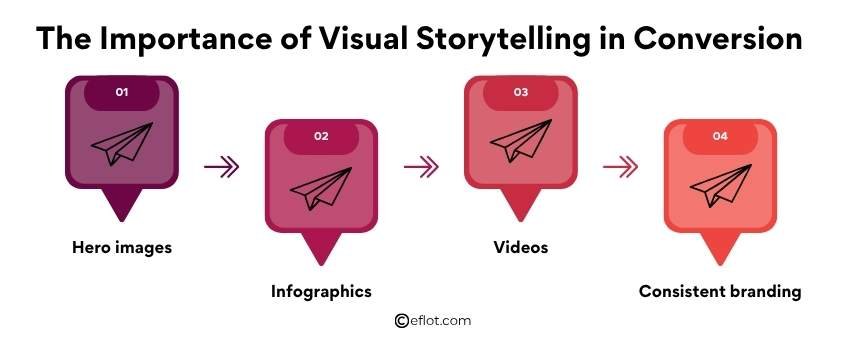
The Importance of Visual Storytelling in Conversion
People don’t just read, they scan, scroll, and watch. Strong visuals help guide them from curiosity to action, while naturally building your brand strength along the way.
Here’s what works best:
-
Hero images that show products or services in use
-
Infographics that simplify complex information
-
Videos that demonstrate value or share customer experiences. Short demos can increase engagement by up to 80% (HubSpot).
-
Consistent branding with colors, fonts, and messaging aligned with your ads
For instance, Tata Cliq added product demo videos and customer testimonials to landing pages. Bounce rates dropped 22%, and conversions increased.
Pages that adjust visuals or headlines for different visitors create a more personal, engaging experience.
The Power of Strong Calls-to-Action
CTAs guide visitors to the next step. A strong CTA is clear, visible, and placed strategically after key value points.
Some points to keep in mind:
-
Use action-oriented text like “Get Your Free Trial”
-
Make buttons stand out visually
-
Place CTAs after compelling information
-
Track which combinations of text, placement, and color work best
Swiggy tested “Order Now & Get 20% Off” against generic wording. The recommended option increased conversions by 35%.
Visitors are more likely to act when the page clearly shows the next step.
Strategies for High-Converting Landing Pages
Here’s how to make pages that work:
-
Align Ads and Landing Pages: Consistency builds trust and prevents confusion
-
Personalize for Visitor Segments: Adjust content for first-time and returning visitors
-
Simplify Forms and Navigation: Shorter forms and clear menus reduce friction
-
Continuous Testing: Headlines, visuals, and CTAs should always be tested
-
Predict Visitor Behavior: Adjust content and placement based on user patterns
-
Monitor Metrics and Iterate: Track conversions, click-through rates, and engagement to guide improvements
-
Optimize for Mobile: Mobile users are often the majority, so layouts must adapt smoothly
Every visitor counts. A clear, fast, and relevant landing page can turn clicks into customers. Small changes guided by insights can make a big difference.
Digital Marketing services in Other Locations in India
Bangalore | Hyderabad | Chennai | Pune | Ahmedabad | Coimbatore | Mumbai | Kolkata | Patna | Amritsar | Indore | Kozhikode | Trivandrum | Jaipur | Nagpur | Gwalior | Dehradun | Noida | Vizag | Raipur | Agra | Gurgaon | Madurai | Udaipur | Thrissur |