












Maximize Brand Visibility With AI Branding
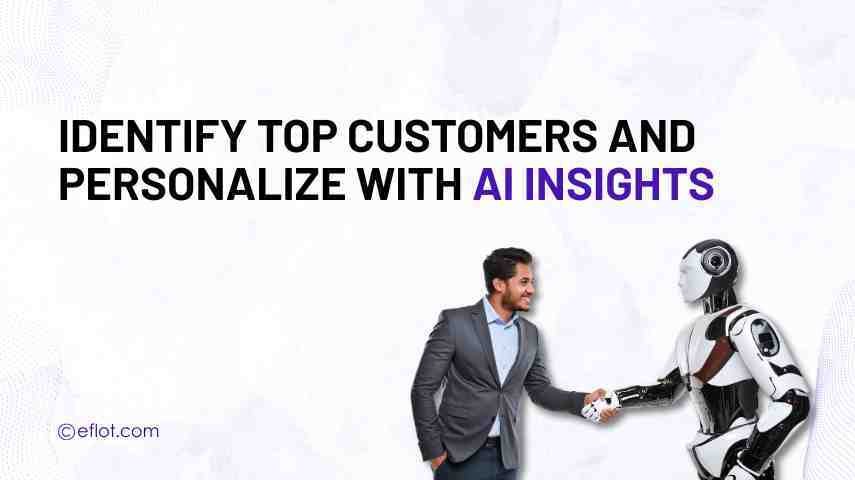
AI branding helps brands reach the right audience using real-time data, improve visibility, maintain consistency, and build stronger digital presence.
Brands often struggle to reach the right audience with the right message. Traditional branding can waste time, money, and effort because campaigns rely on assumptions and past experience. Messages may feel generic, updates take too long, and results are difficult to track.
AI branding addresses these challenges. By using real-time data and audience insights, brands can communicate smarter, adjust campaigns quickly, and connect with the people who matter.
What Is AI Branding
AI branding means using artificial intelligence to build, manage, and grow a brand.
AI studies:
-
How people search
-
What they click
-
What they ignore
-
What they remember
This data helps brands plan better messages.
An AI digital marketing agency uses AI to understand what kind of content works for a brand and what does not.
AI branding helps keep:
-
Brand tone clear
-
Messages consistent
-
Visuals familiar
Marketing companies now use AI branding to avoid confusion, mixed messaging, and weak brand presence.
AI branding is simple in idea: show the right message to the right person at the right time, which builds brand strength over time.
How AI Improves Brand Visibility
Brand visibility means how often people see your brand and remember it.
AI improves this in many ways.
First, AI understands user behavior. It learns when users are active and what they like.
Second, AI helps place content better. It decides where ads, posts, and messages should appear.
An ai digital marketing agency uses AI to:
-
Improve search visibility
-
Increase ad reach
-
Plan posting time
-
Repeat brand messages carefully
Instead of showing ads to everyone, AI focuses on the right audience.
This is why many digital marketing firms prefer AI-based branding. It saves time and reduces waste.
When AI improves visibility, brands become familiar. Familiar brands feel trustworthy.
Role of an AI Digital Marketing Agency
1. Planning the Complete Brand Journey
An ai digital marketing agency plays a key role in branding.
It does not work only on ads or promotions.
The agency plans how a brand is seen from the first interaction to long-term recognition.
This approach helps brands present clear and consistent messages across all platforms.
2. Understanding the Audience Using Data
Audience understanding is the base of branding.
An AI agency studies:
-
Search behavior
-
Website visits
-
Content interaction
This information helps brands understand user needs and interests more clearly.
3. Creating Clear Brand Messages
Brand messages must be simple and meaningful.
An AI digital marketing agency plans messages based on:
-
Audience interest
-
Platform type
-
Stage of decision
This helps avoid mixed communication and supports better connection with users.
4. Maintaining Brand Tone and Identity
A brand should sound the same everywhere.
AI supports consistency across:
-
Website content
-
Advertisements
-
Social media platforms
This repeated style helps users recognize the brand easily.
5. Tracking User Response
Every campaign creates response data.
The agency tracks:
-
Which content people read
-
Which ads are ignored
-
Which messages receive attention
This information helps refine future campaigns.
6. Working With Live Data
Unlike a traditional digital marketing ad agency, AI agencies work with live insights.
Performance is reviewed regularly, and changes are made based on current user behavior.
This allows brands to adjust direction without delay.
7. Updating Strategy Based on Findings
AI agencies do not follow fixed plans. Strategy changes are made based on:
-
User interaction
-
Content performance
-
Market movement
This keeps branding aligned with user interest.
8. Managing Promotion Levels
Showing ads too often can reduce interest.
An AI digital marketing agency controls frequency and timing.
The focus remains on relevance and clarity.
AI Branding vs Traditional Branding
|
Traditional Branding |
AI Branding |
|
Fixed messages created in advance and rarely changed |
Flexible messages adapted to audience behavior and real-time insights |
|
Manual planning based on past experience and intuition |
Data-based planning using live audience interactions and metrics |
|
Slow updates; changes take weeks or months |
Fast updates; campaigns adjusted instantly based on performance data |
|
Broad audience, hoping to reach as many people as possible |
Focused audience with personalized messages for specific segments |
|
Relies on experience, assumptions, and historical trends |
Relies on real-time data, analytics, and observed user behavior |
Traditional branding works on assumptions and past patterns, while AI branding for Digital Presence works with current data and audience behavior. Brands using AI can adjust campaigns faster, reach the right audience, and communicate more effectively.
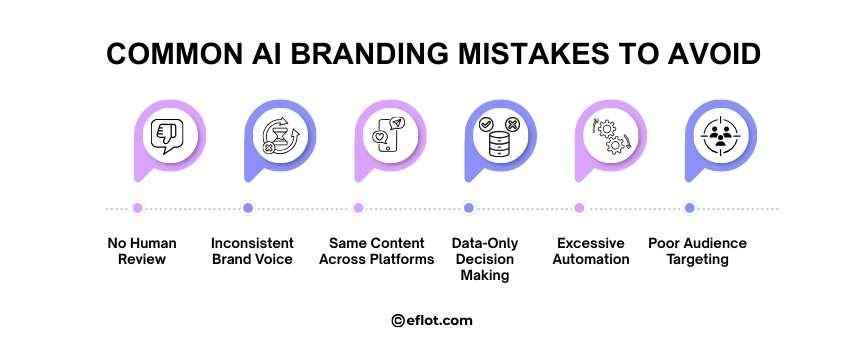
Common AI Branding Mistakes to Avoid
-
No Human Review: AI content can produce ideas quickly, but publishing without review can create messages that feel robotic, inconsistent, or off-brand. A human check ensures the tone, facts, and context are aligned with the brand’s overall strategy.
-
Inconsistent Brand Voice: The brand tone must be uniform across all platforms and campaigns. Switching voice or style between channels can confuse the audience and weaken brand recall over time.
-
Same Content Across Platforms: Using identical content on all channels reduces engagement and may make campaigns appear repetitive or irrelevant. Each platform has its own audience behavior, so content must be adapted for format, style, and context.
-
Data-Only Decision Making: Relying solely on AI metrics can overlook important brand elements like emotional connection, narrative, and positioning. While data provides guidance, human strategy ensures campaigns reflect brand values and audience needs.
-
Excessive Automation: Too much automation in posting or messaging can make communications feel impersonal. Automation should support efficiency, not replace creativity, planning, and human oversight.
-
Poor Audience Targeting: Sending messages to the wrong audience decreases engagement and ROI.An AI tool must be combined with audience segmentation, behavior analysis, and persona alignment for maximum effectiveness.
AI branding helps brands make decisions based on real data, not assumptions. It enables faster action, precise audience targeting, and relevant messaging. Brands using AI strategies can communicate clearly and maintain a strong presence in the market.
Digital Marketing services in Other Locations in India
Bangalore | Hyderabad | Chennai | Pune | Ahmedabad | Coimbatore | Mumbai | Kolkata | Patna | Amritsar | Indore | Kozhikode | Trivandrum | Jaipur | Nagpur | Gwalior | Dehradun | Noida | Vizag | Raipur | Agra | Gurgaon | Madurai | Udaipur | Thrissur |