















What is Pay Per Click Advertising and How does it work?
Learn what Pay Per Click (PPC) advertising on Google is, how it works, and how businesses use it to drive traffic and reach target audiences.
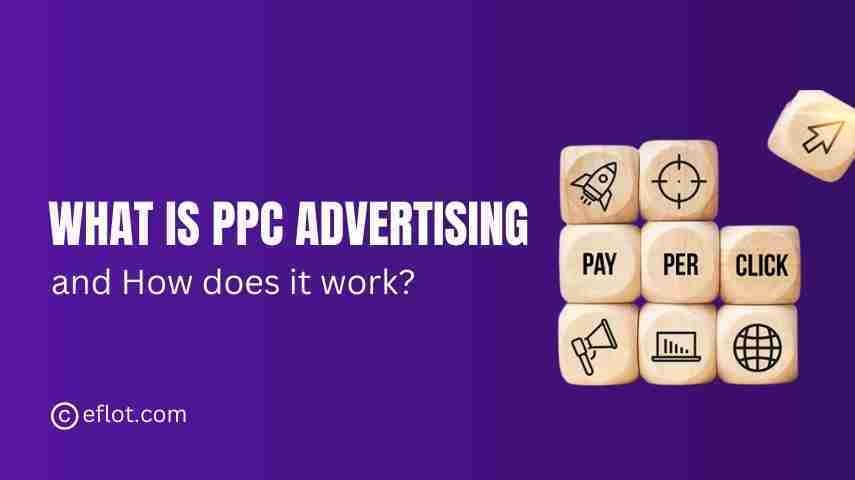
In the current quick digital marketing environment, businesses always look for new ways to reach their target audience and generate leads. Google pay-per-click advertising has been one of the most powerful technologies I've seen as a digital marketing worker. It is more than a phrase, when done effectively, it can change the game. Google's pay-per-click advertising provides another alternative for businesses wishing to increase their online visibility and attract new clients swiftly. But what is it, and how does it function?
When I first began using Google PPC advertising for one of my e-commerce clients, they had little web traffic and were battling to establish awareness in a crowded market. With some strategic planning, we began a PPC campaign, and the results were virtually instant. Within weeks, they had a huge increase in traffic and conversions. This experience has shown me how effective Google's pay-per-click advertising can be for businesses of all sizes and industries. Now, let's go into the details of how it works and why you should use it.
What is Pay-Per-Click Advertising Google?
Pay per click advertising google model requires businesses to pay a fee each time someone clicks on their ad. Essentially, it is a means to purchase visitors to your website rather than obtaining them organically. Google Ads, previously known as Google AdWords, is one of the most popular PPC platforms. Businesses can bid for ad placement in Google's search results using specified keywords. For example, if a user searches for "best running shoes," adverts for different shoe stores will appear at the top or side of the search results page.
The beauty of pay-per-click advertising on Google is that it allows businesses to reach users who are actively searching for products or services they offer. When done right, the cost of the click is far outweighed by the value of the customer conversion.
How Does Pay-Per-Click Advertising Google Work?

To understand how pay-per-click advertising Google works, it's essential to break down the process into manageable steps.
1. Keyword Research and Selection
The foundation of any successful pay-per-click advertising Google campaign is keyword research. Keywords are the terms that users type into Google when searching for products or services. By identifying the right keywords relevant to your business, you can ensure that your ads appear in front of the right audience.
2. Creating and Structuring Ads
Once you’ve chosen your keywords, the next step is to create compelling ads. Google Ads offers various ad formats, including text ads, shopping ads, and display ads. The key to success is crafting ad copy that resonates with your target audience, providing a clear call-to-action (CTA), and ensuring the ad is relevant to the keywords chosen. A well-structured campaign might consist of multiple ads targeting different keyword groups.
3. Bidding and Ad Rank
Google Ads operates on a bidding system. Advertisers bid on keywords, and the amount they are willing to pay per click determines their ad rank. Ad Rank is influenced by two factors, the bid amount and the quality score of your ad. Google rewards high-quality, relevant ads with better placement at a lower cost, meaning you don’t have to be the highest bidder to get the top spot.
4. Targeting and Audience Segmentation
Pay-per-click advertising Google allows businesses to target specific demographics, locations, and even user behaviors. You can fine-tune your ads to appear in front of users most likely to convert, whether that means targeting a particular geographic area or focusing on a specific age group.
5. Measuring and Optimizing Campaigns
One of the major benefits of pay-per-click advertising in Google is the ability to track and measure performance in real time. Google Ads provides in-depth analytics, allowing you to monitor clicks, conversions, and the return on investment (ROI) of your campaigns. Based on these insights, you can adjust your strategy, optimize keywords, and tweak your ad copy to improve results continually.
Benefits of Pay-Per-Click Advertising Google
Now that we understand how pay-per-click advertising Google works, let’s explore some of the key benefits it offers businesses.
1. Immediate Results
Unlike search engine optimization (SEO), which can take months to show results, PPC ads can drive traffic to your site almost instantly. Once your ad is approved, it can start appearing in search results, bringing qualified leads directly to your website.
2. Cost-Effective
With pay-per-click advertising on Google, you only pay when someone clicks on your ad. This means you’re not wasting money on impressions that don’t result in action. Additionally, with the ability to set daily or monthly budgets, you have full control over your spending.
3. Highly Targeted
PPC allows you to reach your ideal audience through targeted ads. Whether you're targeting users based on location, device, time of day, or user interests, pay-per-click advertising on Google gives you the flexibility to customize who sees your ads.
4. Performance Tracking
The comprehensive analytics available through Google Ads provide valuable insights into your campaign’s performance. You can track clicks, impressions, conversion rates, and more, allowing you to make data-driven decisions to optimize your ads.
5. Increased Brand Visibility
Even if users don’t click on your ads, appearing at the top of Google’s search results can increase brand awareness and credibility. Over time, this can lead to increased trust and recognition in your industry.
Tips for a Successful Pay-Per-Click Advertising Google Campaign
To make the most of your pay-per-click advertising Google efforts, here are a few expert tips.
1. Conduct Thorough Keyword Research
Using tools like Google Keyword Planner, identify high-intent keywords that are relevant to your business. Avoid overly broad keywords that may attract unqualified clicks.
2. Optimize Your Landing Pages
Ensure that the landing pages your ads direct users to are relevant to the ad copy and provide a clear path to conversion. A well-optimized landing page can improve your quality score and reduce your cost per click.
3. Test and Refine Ad Copy
Continuously A/B test different versions of your ad copy to see what resonates best with your audience. Small changes to headlines, CTAs, or descriptions can have a significant impact on your click-through rate.
4. Use Negative Keywords
Negative keywords prevent your ads from showing up for irrelevant searches. For example, if you sell premium watches, you might want to exclude terms like “cheap watches” to avoid wasting ad spend on users looking for bargain options.
5. Monitor and Adjust Bids
Keep a close eye on your campaign performance and adjust your bids based on what’s working. You may need to increase bids for high-performing keywords or lower bids for underperforming ones.
Pay-per-click advertising Google is a vital tool for organizations wanting to improve traffic, leads, and sales. Businesses may attract active consumers who are looking for their products or services by buying on relevant keywords and crafting high-quality advertising.
Pay-per-click advertising allows you to target specific audiences and monitor effectiveness in real-time. Google offers both flexibility and control, making it an excellent marketing choice for organizations of any size. Whether you're just getting started or looking to scale your efforts, adding PPC into your digital strategy can produce significant benefits.
Digital Marketing services in Other Locations in India
Bangalore | Hyderabad | Chennai | Pune | Ahmedabad | Coimbatore | Mumbai | Kolkata | Patna | Amritsar | Indore | Kozhikode | Trivandrum | Jaipur | Nagpur | Gwalior | Dehradun | Noida | Vizag | Raipur | Agra | Gurgaon | Madurai | Udaipur | Thrissur |