











Ultimate Guide to Digital Media Advertising for Business
Discover effective strategies and insights for businesses to succeed in digital media advertising, focusing on key platforms and techniques.

As a digital marketer, I’ve seen how digital media advertising can transform businesses of all sizes. Whether you’re running a small local shop or managing a large-scale enterprise, digital media advertising offers powerful opportunities to connect with your target audience, boost brand awareness, and drive sales.
In this guide, I’ll walk you through everything I’ve learned about digital media advertising—from understanding the platforms that matter, to creating effective ad campaigns, to measuring your success. I know the world of digital advertising can seem overwhelming, but my goal here is to break it down in a simple, practical way so you can start using these strategies to grow your business.
What is Digital Media Advertising?
Digital media advertising refers to the practice of promoting products or services through online channels such as search engines, social media platforms, websites, mobile apps, and email. These ads are delivered via digital mediums and target specific demographics, behaviors, and interests based on user data.
Unlike traditional media, digital media marketing allows businesses to measure performance in real time, providing invaluable insights into the effectiveness of their campaigns. This enables businesses to optimize their ad spend, targeting, and creative strategies based on data-driven results.
Why Digital Media Advertising Matters
Digital media advertising matters because it allows businesses to meet their audience where they already are: online. Today, people spend a significant portion of their day interacting with digital content. As a result, businesses that want to stay competitive must invest in digital advertising strategies that place their brand in front of potential customers.
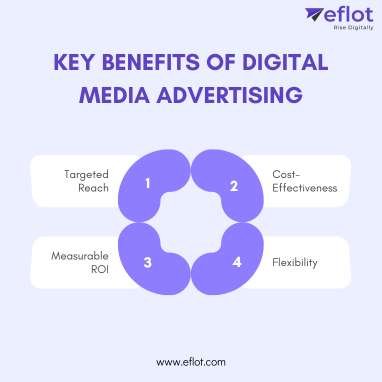
Key benefits of digital media advertising include:
-
Targeted Reach: Platforms like Facebook, Google, and LinkedIn offer detailed targeting options that allow businesses to reach their ideal audience based on demographics, interests, and behaviors.
-
Cost-Effectiveness: Unlike traditional advertising, digital media allows businesses to control their budget and pay only for the actions they want (e.g., clicks, impressions, or conversions).
-
Measurable ROI: Every aspect of digital advertising can be tracked and measured, from click-through rates (CTR) to return on ad spend (ROAS). This data helps businesses fine-tune their strategies.
-
Flexibility: Digital campaigns can be adjusted on the fly to accommodate changes in strategy, budgets, or goals, ensuring businesses stay agile and responsive.
Understanding Key Digital Advertising Platforms
There are several digital media advertising platforms businesses can utilize, each offering unique opportunities and challenges. Here’s a breakdown of the most important ones:
1. Google Ads
Google Ads is one of the most powerful digital advertising platforms, allowing businesses to reach potential customers through search engine marketing (SEM). Google Ads operates on a pay-per-click (PPC) model, meaning you only pay when someone clicks on your ad. The two primary formats are:
-
Search Ads: These are text-based ads that appear on Google’s search engine results pages (SERPs) when users search for specific keywords.
-
Display Ads: These are visually-driven ads that appear across the Google Display Network, which includes millions of websites and apps.
Social media platforms like Facebook, Instagram, LinkedIn, and Twitter have become dominant players in the digital advertising ecosystem. Each platform offers unique features and targeting capabilities:
-
Facebook and Instagram Ads: These platforms offer highly specific targeting options, including demographics, interests, behaviors, and even retargeting people who have interacted with your brand previously.
-
LinkedIn Ads: Particularly beneficial for B2B marketing, LinkedIn allows businesses to target professionals based on their job title, industry, skills, and more.
-
Twitter Ads: Twitter’s platform allows for real-time marketing opportunities and engagement with trending topics.
3. Programmatic Advertising
Programmatic advertising uses automated software to purchase digital advertising in real time. This method allows businesses to buy ad inventory across a wide range of websites and platforms without human intervention. Programmatic ads can appear on websites, apps, social media, and more.
4. Video Advertising
Video has emerged as one of the most engaging forms of content online, and video advertising is growing in popularity. Platforms like YouTube, TikTok, and even Instagram Reels are ideal for businesses looking to captivate audiences with visual storytelling.
-
YouTube Ads: These can be skippable or non-skippable ads that play before, during, or after video content on YouTube.
-
TikTok Ads: Short, engaging video content with a focus on creativity, ideal for targeting younger demographics.
5. Email Marketing
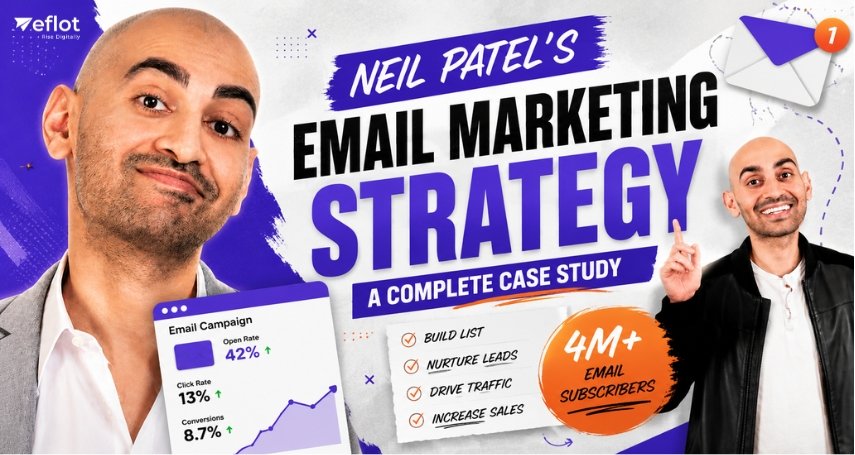
Though often overlooked, email marketing remains one of the most effective forms of digital media advertising. By using email campaigns, businesses can reach their audience directly in their inbox with personalized content, special offers, and newsletters.
-
Sponsored Emails: These are emails that appear in someone’s inbox as a promotional message but are paid placements. They often work well for eCommerce and content-driven businesses.
Developing a Digital Media Advertising Strategy
To succeed in digital media marketing, you need a solid strategy that aligns with your business goals, target audience, and budget. Here are the steps to build an effective strategy:
-
Define Your Goals: What do you want to achieve with your digital media advertising efforts? Your goals might include increasing brand awareness, driving traffic to your website, generating leads, or boosting sales. Defining your objectives will guide your overall strategy and help you choose the right platforms and ad formats.
-
Identify Your Target Audience: Understanding your audience is critical to successful digital advertising. Use customer data to create detailed buyer personas that outline your audience’s demographics, behaviors, and pain points. Once you know who your audience is, you can tailor your messaging and targeting accordingly.
-
Choose the Right Platforms: Selecting the right platforms depends on where your audience spends the most time. For instance, younger audiences may be more active on TikTok and Instagram, while professionals may spend more time on LinkedIn.
-
Create Engaging Content: Compelling creativity is the backbone of any successful digital advertising campaign. Your ads should be visually appealing, informative, and persuasive. Whether it’s a Google Search ad, a Facebook video, or an Instagram story, make sure your content captures attention and drives action.
-
Budgeting and Bidding: One of the key benefits of digital advertising is the flexibility it provides in terms of budgeting. Most platforms operate on a bidding system, allowing you to control your spending based on your goals (e.g., impressions, clicks, or conversions). Start by setting a budget for each platform and adjust it based on performance. Monitor your cost-per-click (CPC), cost-per-impression (CPM), or cost-per-acquisition (CPA) metrics to ensure you’re getting a good return on your investment.
-
Monitor and Optimize: Once your campaigns are live, it’s important to track their performance using tools like Google Analytics, Facebook Ads Manager, or your chosen platform’s built-in reporting features. Pay attention to key metrics such as click-through rates (CTR), conversion rates, and ROAS. By analyzing performance data, you can identify which aspects of your campaigns are working and which need improvement. Optimization is an ongoing process—be prepared to tweak your ads, targeting, and budget as you gather more insights.
Tips for Maximizing Digital Media Advertising Success
Here are some best practices to help you get the most out of your digital media advertising efforts:
-
A/B Testing: Test different versions of your ads to see which performs better. This can include variations in copy, images, or CTAs (call-to-actions).
-
Retargeting: Use retargeting ads to re-engage users who have previously visited your website or interacted with your brand. These ads can often yield higher conversion rates since they target people already familiar with your brand.
-
Mobile Optimization: With a significant portion of web traffic coming from mobile devices, ensure your ads are optimized for mobile viewing. This includes mobile-friendly designs, fast-loading pages, and clear CTAs.
-
Utilize Lookalike Audiences: Platforms like Facebook offer lookalike audience targeting, allowing you to reach new users similar to your existing customers.
Digital media advertising presents businesses with a wide array of opportunities to connect with their target audience. The possibilities are endless, from Google Ads to social media, email marketing to programmatic advertising. However, successful campaigns require careful planning, targeted messaging, and continuous optimization.
By defining clear goals, understanding your audience, choosing the right platforms, and monitoring your campaigns' performance, you can create effective digital media advertising strategies that drive results for your business. Remember, digital advertising is not static—keep testing, learning, and adjusting to stay ahead of the curve.
Digital Marketing services in Other Locations in India
Bangalore | Hyderabad | Chennai | Pune | Ahmedabad | Coimbatore | Mumbai | Kolkata | Patna | Amritsar | Indore | Kozhikode | Trivandrum | Jaipur | Nagpur | Gwalior | Dehradun | Noida | Vizag | Raipur | Agra | Gurgaon | Madurai | Udaipur | Thrissur |