












The Fundamental Principles of Digital Marketing for Growth
Explore essential digital marketing principles designed to help businesses achieve growth through strategic online marketing techniques and practices.

As a digital marketer, I’ve seen how the right strategies can transform a business, driving it from secret to success. Digital marketing isn't just about pushing out ads or posting on social media, it's about understanding the changing online market, knowing how to reach the right audience, and driving real, measurable growth. In the digital world, having a solid foundation in the principles of digital marketing is essential for any business looking to scale.
From search engine optimization (SEO) to email marketing and social media strategies, there are core practices that, when applied consistently, can generate impressive results. I’ll take you through the fundamental principles of digital marketing that I've found to be important for growth. These are not just theoretical concepts, they are practical steps that I’ve seen work time and time again, helping brands increase their visibility, engage their audiences, and ultimately grow their bottom line.
What is Digital Marketing?
Digital marketing refers to the use of online channels, platforms, and technologies to promote products or services. Unlike traditional marketing, which relies on physical media like print ads or billboards, digital marketing uses the Internet to connect with potential customers. This includes search engines, social media, email, websites, and more. The goal of digital marketing is to attract, engage, and convert customers using various online tactics.
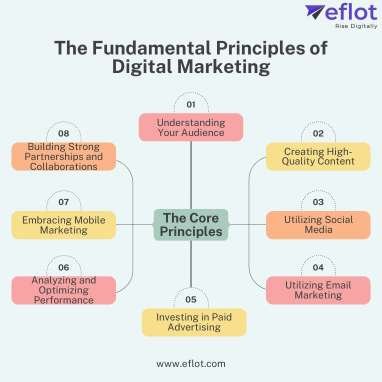
The Core Principles of Digital Marketing
1. Understanding Your Target Audience
The foundation of any successful marketing strategy, digital or otherwise, is a deep understanding of your target audience. Without this, your efforts are likely to fall flat, no matter how innovative or well-executed your campaigns might be.
-
Demographic Research: Start by gathering demographic data about your potential customers, including age, gender, location, income level, and education. This information helps in crafting messages that resonate with them.
-
Behavioral Insights: Understanding the behavior of your audience, such as their online habits, preferences, and purchasing behaviors, can provide invaluable insights. Tools like Google Analytics, social media insights, and customer surveys can be instrumental in gathering this data.
-
Buyer Personas: Create detailed buyer personas—fictional representations of your ideal customers. These personas should include demographic details, motivations, challenges, and what they value most in a product or service. Buyer personas help you tailor your marketing strategies to meet the specific needs and desires of different customer segments.
2. Creating High-Quality Content
Content is often referred to as the king of digital marketing, and for good reason. High-quality content attracts and engages your audience, establishes your brand as a thought leader, and drives conversions.
-
Content Strategy: Develop a content strategy that aligns with your business goals and addresses the needs of your target audience. This strategy should outline what types of content you will create (blog posts, videos, infographics, etc.), where it will be published, and how often.
-
Value-Driven Content: Your content should provide value to your audience—whether it’s educating them about your industry, solving a problem, or entertaining them. The more valuable your content, the more likely your audience is to engage with it and share it with others.
-
SEO Optimization: For your content to be discoverable, it needs to be optimized for search engines. Use relevant keywords, include meta descriptions, and ensure that your content is structured in a way that makes it easy for search engines to understand and rank it.
3. Utilizing Social Media
Social media platforms have become an essential component of digital marketing. They offer businesses a direct line of communication with their audience and an opportunity to build a community around their brand.
-
Platform Selection: Not all social media platforms are created equal, and not all will be suitable for your business. Choose platforms where your target audience is most active. For example, Instagram and TikTok are great for reaching younger audiences, while LinkedIn is ideal for B2B marketing.
-
Consistent Posting: Consistency is key when it comes to social media. Develop a content calendar that outlines when and what you will post. This helps maintain a steady stream of content that keeps your audience engaged.
-
Engagement: Social media is not a one-way street. Engage with your audience by responding to comments, participating in discussions, and even running polls or Q&A sessions. This interaction helps build trust and loyalty among your followers.
4. Utilizing Email Marketing
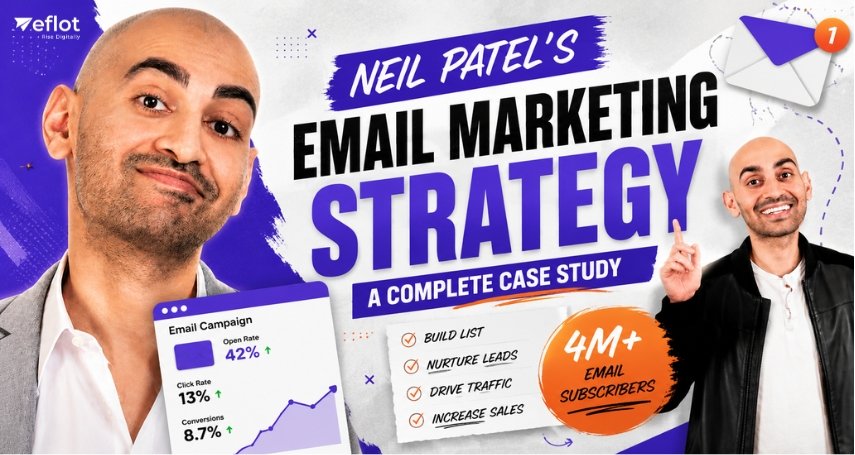
Despite the rise of social media, email marketing remains one of the most effective digital marketing channels. It allows you to reach your audience directly and provides a high return on investment (ROI).
-
Building an Email List: Start by building a high-quality email list. Offer incentives like free downloads, discounts, or exclusive content to encourage people to sign up. Make sure your email list is segmented based on factors like interests, purchase history, or demographics to ensure that your messages are relevant to each recipient.
-
Personalization: Personalization goes beyond just using the recipient’s name. Tailor your emails to each segment of your audience based on their preferences and behaviors. Personalized emails have higher open rates and engagement compared to generic messages.
-
Automated Campaigns: Use email marketing automation to nurture leads and convert them into customers. Set up automated campaigns that trigger based on specific actions, such as signing up for a newsletter, abandoning a shopping cart, or making a purchase. These automated emails keep your brand top of mind and guide customers through the buying journey.
5. Investing in Paid Advertising
While organic growth is important, investing in paid advertising can accelerate your growth and help you reach a broader audience.
-
Search Engine Advertising: Platforms like Google Ads allow you to place your ads in front of people who are actively searching for products or services like yours. This can be a highly effective way to drive targeted traffic to your website.
-
Social Media Ads: Paid social media advertising can amplify your reach and help you target specific demographics. Each platform offers different ad formats, from image and video ads to carousel and story ads. Experiment with different formats to see what resonates most with your audience.
-
Retargeting: Retargeting allows you to show ads to people who have previously visited your website but didn’t convert. This is a powerful way to bring potential customers back and encourage them to complete their purchase.
6. Analyzing and Optimizing Performance
Digital marketing is not a set-it-and-forget-it process. Continuous analysis and optimization are essential for maximizing your results.
-
Key Metrics: Identify the key performance indicators (KPIs) that align with your goals, such as website traffic, conversion rates, click-through rates, and ROI. Regularly monitor these metrics to track your progress.
-
A/B Testing: A/B testing, or split testing, involves running two versions of a campaign or webpage to see which one performs better. This helps you make data-driven decisions and optimize your campaigns for better results.
-
Adjusting Strategies: Digital marketing is constantly evolving, and what works today might not work tomorrow. Be prepared to adjust your strategies based on your performance data and changes in the market. This might involve trying new content formats, exploring different advertising platforms, or refining your messaging.
7. Embracing Mobile Marketing
With the majority of internet users accessing content on their mobile devices, mobile marketing has become a critical component of digital marketing strategies.
-
Mobile Optimization: Ensure that your website and all digital content are optimized for mobile devices. This includes responsive design, fast load times, and easy navigation.
-
SMS Marketing: SMS marketing allows you to reach customers directly on their phones with personalized messages, promotions, and alerts. This can be a highly effective channel for driving engagement and sales, particularly for time-sensitive offers.
-
Mobile Apps: If applicable, consider developing a mobile app for your business. Apps provide a direct channel to your customers and can enhance their experience with features like personalized content, push notifications, and in-app purchases.
8. Building Strong Partnerships and Collaborations
In the digital time, collaboration can be a powerful tool for growth. Partnering with other businesses, influencers, or content creators can help you reach new audiences and build credibility.
-
Influencer Marketing: Collaborate with influencers who align with your brand values and have a following that matches your target audience. Influencers can introduce your brand to their followers, driving awareness and credibility.
-
Affiliate Marketing: Consider setting up an affiliate marketing program where partners promote your products or services in exchange for a commission on sales. This can be a cost-effective way to expand your reach.
-
Co-Branding and Partnerships: Partner with other businesses in complementary industries to create co-branded content, products, or promotions. These collaborations can help you reach a wider audience and offer added value to your customers.
Digital marketing offers businesses unparalleled growth opportunities, but it requires a strategic approach to be effective. By understanding your target audience, creating high-quality content, utilizing social media and email marketing, investing in paid advertising, analyzing performance, embracing mobile marketing, and building strong partnerships, you can build a robust digital marketing strategy that drives sustainable growth.
Digital Marketing services in Other Locations in India
Bangalore | Hyderabad | Chennai | Pune | Ahmedabad | Coimbatore | Mumbai | Kolkata | Patna | Amritsar | Indore | Kozhikode | Trivandrum | Jaipur | Nagpur | Gwalior | Dehradun | Noida | Vizag | Raipur | Agra | Gurgaon | Madurai | Udaipur | Thrissur |