




















Key Steps in Website Design and Development
Learn the essential steps in website design and development, from planning and wireframing to launch and maintenance for a successful online presence.
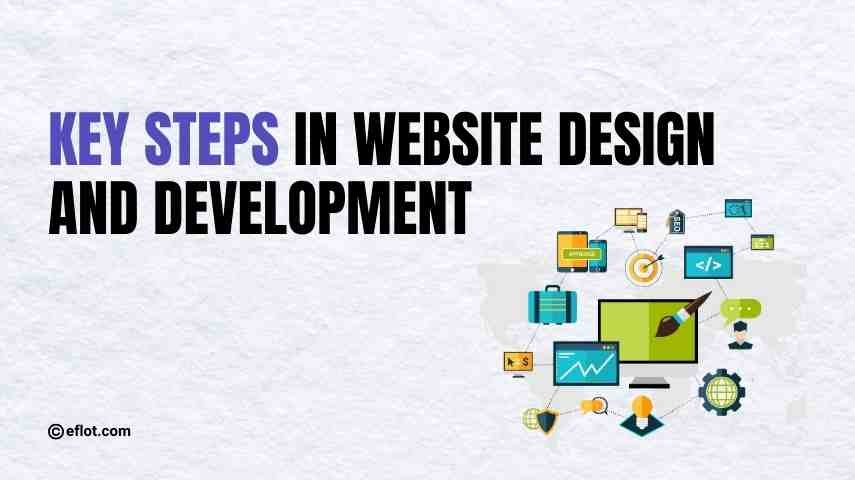
Understanding website design and development is critical for organizations seeking to have a strong online presence. Website design and development entail several strategic stages to guarantee that the finished product is not only visually appealing but also practical and user-friendly. From early planning to distribution and maintenance, all aspects of website design are critical to attracting and retaining visitors. As organizations focus more on their online platforms, understanding these crucial processes in website design becomes increasingly important for success.
As a digital marketing consultant with years of experience, I've helped many organizations with the complexity of website design. Throughout my journey, I've personally witnessed how a well-executed website can greatly increase a brand's visibility and trust. I once worked with a local startup that struggled with its web presence. By utilizing efficient website design and development methods, we were able to construct a site that not only showed their products but also engaged their target market. This experience demonstrated to me the critical significance that each step in the website design and development process plays in meeting company objectives.
What is Website Design and Development?
Website design and development refers to the comprehensive process of creating and maintaining websites. It encompasses both the decorative aspects (design) and the technical elements (development) that make a website functional and user-friendly.
Why is Website Design and Development Important?
Website design and development are critical components of establishing a successful online presence for businesses and individuals. Here are several key reasons why they are important.
1. First Impressions Matter
A well-designed website is often the first point of contact between a business and its potential customers. Visitors form an opinion about a brand within seconds of landing on a website. A visually appealing and user-friendly design can create a positive first impression, encouraging visitors to explore further and engage with the content.
2. Enhances User Experience
Effective website design prioritizes user experience (UX). A well-structured site that is easy to overcome helps users find the information they need quickly. Good UX design reduces bounce rates and keeps visitors engaged, ultimately leading to higher conversion rates.
3. Builds Credibility and Trust
A professional-looking website instills confidence in visitors. If a site appears outdated or is difficult to navigate, users may question the credibility of the brand. High-quality design and development can enhance trust, making users more likely to engage with the brand and make purchases.
4. Improves Search Engine Optimization (SEO)
Proper website development includes implementing SEO best practices, which can improve a site's visibility on search engines. A well-structured website with optimized content, fast loading times, and mobile-friendliness is more likely to rank higher in search results, driving organic traffic.
5. Facilitates Branding
Website design plays a crucial role in establishing and reinforcing brand identity. Consistent use of logos, colors, fonts, and imagery helps create a connected brand image across digital platforms. This consistency aids in brand recognition and helps convey the brand’s values and mission.
Key Steps in Website Design and Development
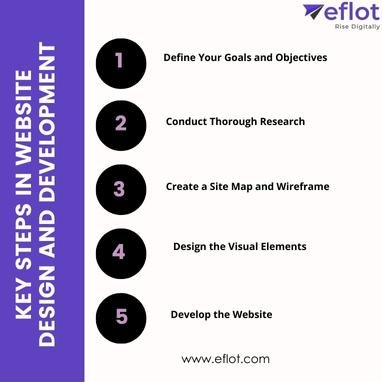
1. Define Your Goals and Objectives
Before diving into the website design and development process, it's crucial to define clear goals and objectives. Consider what you want to achieve with your website. Are you looking to generate leads, sell products, or provide information? By setting specific goals, you can tailor your website strategy accordingly. This step sets the foundation for all subsequent actions and decisions.
2. Conduct Thorough Research
Understanding your target audience and competitors is essential in the website process. Conduct market research to identify your audience's needs, preferences, and pain points. Analyze your competitors’ websites to gain insights into what works well in your industry. This information will help you make informed decisions during the website process.
3. Create a Site Map and Wireframe
Once you have a clear understanding of your goals and audience, the next step is to create a site map and wireframe. A site map outlines the structure of your website, including the main pages and their hierarchy. Wireframes are visual representations of the layout of each page, showcasing where elements like text, images, and buttons will be placed. This step is critical in the website process, as it allows you to visualize the user experience and flow of the site.
4. Design the Visual Elements
The visual design is one of the most important to choose a color scheme, typography, and imagery that aligns with your brand identity. Consistency in design elements enhances user experience and builds trust with your audience. Use design tools or collaborate with a professional designer to create visually appealing layouts that captivate visitors.
5. Develop the Website
With the design finalized, it’s time for the website development phase. This involves coding the site and integrating all the necessary features and functionalities. Depending on the complexity of your site, you may need to choose a content management system (CMS) like WordPress, Joomla, or custom development. This step is where the website design truly comes to life, as you build the functionality to meet user needs.
Difference Between Website Design and Development
Web design and development are two essential components of creating an effective online presence, but they encompass different aspects of the process. Here’s a breakdown of the key differences between the two.
|
Aspect |
Website Design |
Website Development |
|
Definition |
Focuses on the visual aesthetics and user interface of a website. |
Involves the technical implementation and functionality of the website. |
|
Main Goal |
To create an appealing and user-friendly interface that engages visitors. |
To build a fully functional website that operates smoothly and meets user needs. |
|
Skills Required |
Graphic design, UI/UX design, typography, color theory, and layout design. |
Programming languages (HTML, CSS, JavaScript, PHP, etc.), database management, and server-side scripting. |
|
Tools Used |
Design software like Adobe Photoshop, Figma, Sketch, or Illustrator. |
Development tools and environments like Visual Studio, code editors (VSCode, Sublime Text), and frameworks (React, Angular, etc.). |
|
Focus Areas |
Layout, color schemes, fonts, images, and overall user experience. |
Backend functionality, server management, database integration, and content management systems (CMS). |
Frequently Asked Questions (FAQs)
What is the first step in website design and development?
The first step is to define your website's goals and objectives. This helps guide the entire design and development process.
How long does it take to design and develop a website?
The timeline can vary widely based on the complexity of the project. A simple website might take a few weeks, while more complex sites can take several months.
What is the importance of responsive design?
Responsive design ensures that your website functions well on various devices, including smartphones and tablets, providing a seamless user experience.
How can I improve my website's SEO?
Focus on optimizing your content with relevant keywords, improving site speed, and ensuring a mobile-friendly design. Regularly update your content to keep it fresh and engaging.
What tools can I use for website design and development?
Popular tools include WordPress, Wix, Squarespace for building websites, and Google Analytics for tracking performance.
Understanding and applying the important procedures involved in website design and development is critical to establishing a successful online presence. From identifying your goals to continuous maintenance, each stage is critical to ensuring that your website satisfies the demands of your target audience and supports business success. As a digital marketing consultant, I advise businesses to invest time and resources in website design and development. By following these steps, you can design a website that not only attracts visitors but also converts them into loyal consumers, setting the way for your company's success in the digital environment.
Digital Marketing services in Other Locations in India
Bangalore | Hyderabad | Chennai | Pune | Ahmedabad | Coimbatore | Mumbai | Kolkata | Patna | Amritsar | Indore | Kozhikode | Trivandrum | Jaipur | Nagpur | Gwalior | Dehradun | Noida | Vizag | Raipur | Agra | Gurgaon | Madurai | Udaipur | Thrissur |