












How to Start a Digital Ad Campaign
Learn how to start a digital ad campaign with this step-by-step guide. Discover strategies, tools, and tips for effective online advertising.
As a business owner, you’ve likely heard of the immense potential that a Digital Ad Campaign can bring to your company. Whether you’re promoting a new product, building brand awareness, or targeting specific demographics, digital ads are a powerful tool to drive growth. But how exactly do you launch a successful campaign that gets real results? It’s not just about placing ads and hoping for the best it's about crafting a strategy that resonates with your target audience and converts views into sales.
I’ve had the privilege of working as a digital marketing specialist for years, and throughout my journey, I’ve seen the impact that a well executed Digital Ad Campaign can have on a business. With tools like Google Ads, Facebook Ads, and other digital platforms, the possibilities are endless. However, creating a campaign that aligns with your goals and engages your audience requires strategic planning, testing, and constant refinement.
What Is a Digital Marketing Campaign?
In simple terms, a digital marketing campaign is a series of coordinated online marketing efforts aimed at achieving specific business objectives, such as generating leads, increasing brand awareness, or driving conversions. These campaigns often use various online channels, such as search engines, social media platforms, email marketing, and more, depending on the target audience and campaign goals.
A successful digital ad campaign typically has a few key elements in common: a well-defined audience, a clear objective, and strategic placement of ads to maximize visibility and engagement.
What Does a Digital Marketing Campaign Include?
A digital marketing campaign is more than just running an ad. It’s a comprehensive strategy that involves several components working together to achieve a single goal. Let’s break it down:
-
Goal Setting: This is where it all starts. What do you want to achieve with your digital ad campaign? Common goals include increasing website traffic, generating leads, boosting sales, or enhancing brand awareness. A clear goal helps you stay focused throughout the process.
-
Target Audience: Knowing your target audience is critical. Who are you trying to reach? What are their needs, pain points, and online behaviors? A well defined audience helps you tailor your messaging and choose the right channels for your ads.
-
Platform Selection: Choosing the right platform is crucial. Are you targeting professionals on LinkedIn, younger audiences on Instagram, or consumers searching for products on Google? Each platform has its strengths, and knowing where your audience spends their time can greatly impact the success of your campaign.
-
Creative & Messaging: Whether it’s a video ad, banner ad, or text based PPC ad, your message should resonate with the audience. Strong, compelling ad copy and high-quality visuals are essential to capture attention and drive conversions.
-
Budget & Bidding Strategy: Setting a budget ensures that you don’t overspend. Platforms like Google Ads and Facebook Ads allow you to set daily or lifetime budgets. Additionally, choosing the right bidding strategy can help optimize your ad spend, ensuring you get the most value for your money.
-
Performance Tracking & Optimization: A digital ad campaign is not a "set it and forget it" effort. You need to track its performance using tools like Google Analytics, Facebook Insights, or other ad platform analytics to ensure it’s meeting your goals. If the campaign is underperforming, adjustments may be needed to optimize results.
What is the goal of a Digital Marketing Campaign?
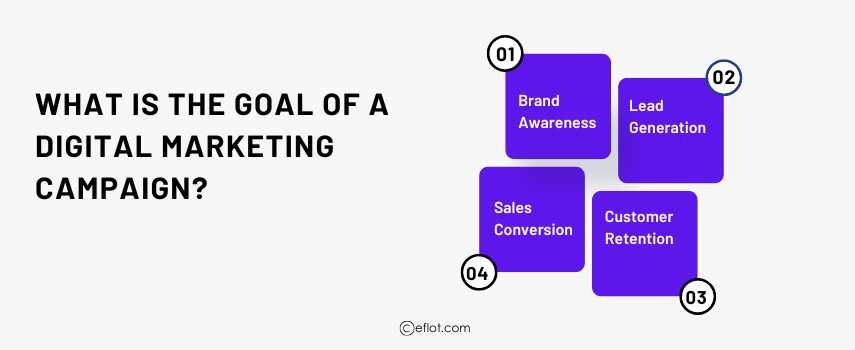
The ultimate goal of any digital ad campaign is to achieve specific, measurable results that align with business objectives. But these goals can vary greatly depending on the type of business and the campaign. Here are a few common objectives:
-
Brand Awareness: If you’re launching a new product or service, you might focus on creating awareness. The goal here is to get as many eyes on your brand as possible.
-
Lead Generation: For many businesses, generating leads is the primary goal. A lead might be someone who fills out a contact form, signs up for a newsletter, or downloads an ebook.
-
Sales Conversion: Many businesses run digital ad campaigns to convert potential customers into paying ones. This is where retargeting ads can come in handy, reminding potential customers who have shown interest in your product or service to complete their purchase.
-
Customer Retention: If you already have a customer base, you might run a digital advertising campaign to retain existing customers, offer discounts, or cross-sell complementary products.
How to Create Your Digital Marketing Campaign Plan?
Creating a digital marketing campaign plan involves several steps that require careful planning and execution. Here’s how you can get started:
-
Define Your Objectives: What do you want to achieve with your campaign? Whether it’s driving sales or gaining followers, setting clear goals is the first step.
-
Know Your Audience: Who are you targeting? Segment your audience based on demographics, interests, location, and behavior. The more specific you are, the better your targeting will be.
-
Select Your Platforms: Choose the right digital channels for your campaign. If you're targeting younger demographics, Instagram or TikTok might be ideal. For business professionals, LinkedIn could be a better fit.
-
Set Your Budget: Determine how much you are willing to spend and how you will allocate that budget across different platforms.
-
Craft Your Message: Develop compelling content and visuals that speak to your target audience’s needs, pain points, or aspirations.
-
Launch and Track: Once everything is set, launch your campaign and monitor its performance regularly. Use analytics to see which ads are performing best and make adjustments as necessary.
What Digital Marketing Channels Should You Target?
There are many different channels you can use for a digital ad campaign, each with its own advantages. Some of the most common digital marketing channels include:
-
Search Engine Marketing (SEM): Platforms like Google Ads allow businesses to bid on keywords related to their products or services, ensuring their ads appear when users search for specific terms.
-
Social Media Advertising: Platforms like Facebook, Instagram, LinkedIn, and Twitter offer powerful targeting options, allowing businesses to target users based on their interests, location, and behavior.
-
Display Ads: These are banner, video, or text ads that appear across websites and apps. They’re great for brand awareness.
-
Email Marketing: While not always classified as part of paid advertising, email marketing is a great way to nurture leads and convert them into customers.
-
Video Ads: Platforms like YouTube and TikTok offer opportunities for video ads, which can be incredibly effective for engaging audiences and driving brand awareness.
Case Studies
Case Study 1:
Wynk Music, one of India's leading music streaming platforms, had a vast user base but faced challenges in standing out amidst growing competition from international platforms like Spotify and Apple Music. To increase new subscriptions and re-engage dormant users, they needed to launch a targeted digital ad campaign that resonated with both existing Airtel customers and potential music lovers.
Challenge:
The challenge was to drive conversion by reaching the right audience with relevant messages. Wynk Music needed to optimize its ads for mobile users, especially those already using Airtel services, to highlight the value proposition of their service. The task was also to balance content appeal for both younger audiences looking for trendy music and older audiences who prefer regional and classic genres.
Solution:
Wynk Music launched a series of Facebook and Instagram ads that targeted Airtel users by offering exclusive music subscriptions through Airtel’s bundled plans. The campaign used catchy visuals, exclusive deals, and highlighted curated music playlists for different age groups. They created both video and carousel ads showcasing the benefits of Wynk’s music offerings, along with attractive pricing options for different audiences.
Case Study 2:
Wakefit is a well known home furniture and mattress brand in India, offering premium products designed for comfort and quality. The company operates primarily through its e-commerce platform, but with growing competition from established brands in the market, it needed to boost its online presence and effectively communicate the value of its products to a larger audience.
Despite strong customer feedback and rave reviews, Wakefit faced the challenge of standing out in the crowded home furnishing and mattress market. The company aimed to increase its customer base and scale its sales, but it lacked a structured approach to creating and launching digital ad campaigns.
Challenges:
Wakefit faced several challenges in executing a successful digital ad campaign. First and foremost, they were in a highly competitive market. The home furniture and mattress industry in India has numerous well-established players, and differentiating Wakefit’s premium products from others was no easy feat. They struggled with brand awareness as a smaller player and needed to break through the noise and ensure their ads reached the right target audience.
Solutions:
To address these challenges, Wakefit employed a multi channel digital marketing strategy, utilizing platforms like Google Ads, Facebook, Instagram, and YouTube to reach a wider audience. Their Google Search Ads focused on high-intent keywords like “best mattresses in India” and “buy mattress online,” which allowed them to capture users actively searching for sleep solutions. By bidding on these targeted keywords, they positioned their ads to appear in front of customers who were already looking to make a purchase.
Starting a Digital Ad Campaign may seem daunting at first, but by following these steps, you can create an effective, goal-oriented campaign that drives results. From defining your goals to optimizing your ads, every step is an opportunity to improve your strategy and achieve your business objectives. As digital marketing continues to evolve, keeping up with the latest trends, tools, and techniques will help you stay ahead of the competition and maximize your ROI. Remember, digital ads are not a one time effort, they require continuous analysis and adjustment to succeed. With a well executed Digital Ad Campaign, you’ll be well on your way to engaging your audience, increasing conversions, and achieving business growth.
Digital Marketing services in Other Locations in India
Bangalore | Hyderabad | Chennai | Pune | Ahmedabad | Coimbatore | Mumbai | Kolkata | Patna | Amritsar | Indore | Kozhikode | Trivandrum | Jaipur | Nagpur | Gwalior | Dehradun | Noida | Vizag | Raipur | Agra | Gurgaon | Madurai | Udaipur | Thrissur |