





How to Develop Winning Media Strategies
Learn how to develop effective media strategies to boost your brand's visibility and engagement. Follow our guide for practical tips and techniques.
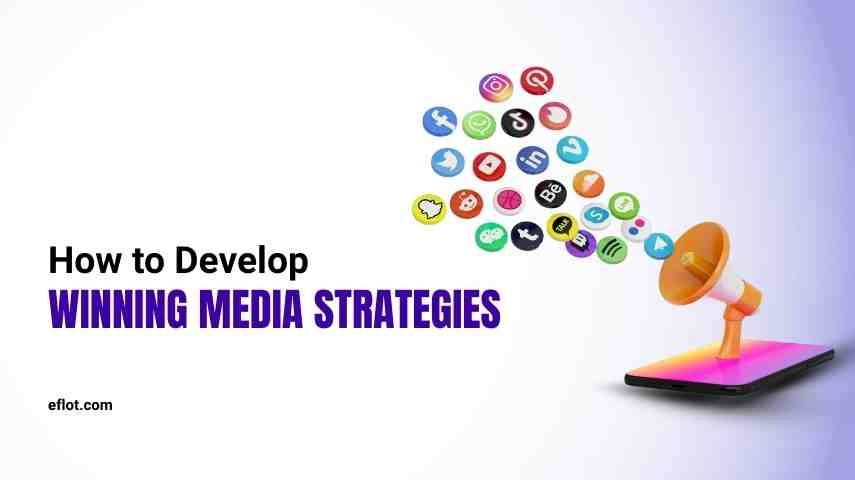
With businesses competing for attention on countless platforms, the real challenge is developing a strategy that stands out and gets noticed. Over the years, I've worked with brands of all sizes, helping them unlock the potential of the right media strategies to connect with their target audience, boost ROI, and achieve measurable growth. When it comes to building successful media strategies, there are a few key principles that every business should follow, no matter how big or small. First, it's crucial to know what you want to achieve. Are you aiming to increase brand awareness, drive traffic to your website, or generate sales? Your goals will guide the entire strategy, from the platforms you choose to the type of content you create. Once you have a clear understanding of your goals and audience, it's time to choose the right media channels.
Whether it's social media, search engines, influencer partnerships, or even traditional advertising, selecting the right mix of platforms is key. In short, building a winning media strategy isn’t about guessing, it’s about understanding your audience, setting clear goals, choosing the right platforms, and constantly measuring and adjusting your efforts. This is how you’ll position your brand for long-term success.
What Are Media Strategies and Why Do They Matter?
At its core, media strategies refer to the carefully planned efforts and tactics businesses use to promote their products, services, or ideas to the right audience. These strategies include selecting the appropriate channels (digital, print, social media, etc.), creating engaging content, and determining the best timing for distribution. The ultimate goal of any media strategy is to maximize reach and engagement while driving conversions, whether that’s increasing sales, building brand awareness, or expanding a customer base.
In an age where digital platforms dominate, media strategy needs to be data-driven, well-researched, and highly adaptable. It's not just about throwing content at any platform and hoping it sticks it's about understanding the unique characteristics of each channel and using them effectively. A successful media strategy isn't static, it evolves based on data, feedback, and changing market conditions.
Types of Media Strategies
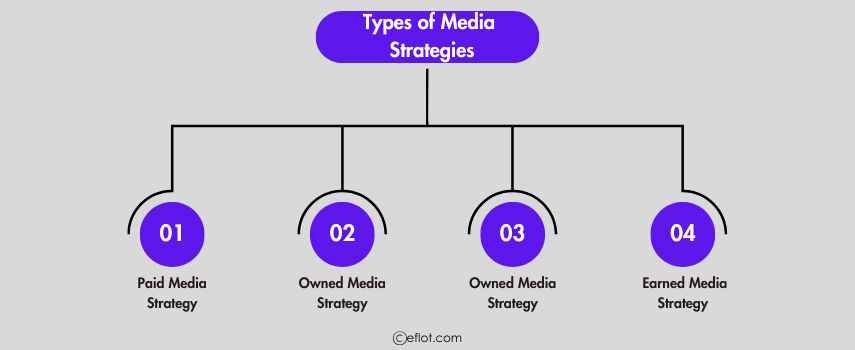
Media strategies can vary greatly depending on the goals, target audience, and resources of the company. Here are the key types of media strategies that businesses can employ:
1. Paid Media Strategy
Paid media refers to any form of advertising where a company pays to get its message in front of its audience. This includes platforms like Google Ads, social media ads (Facebook, Instagram, LinkedIn), display ads, and influencer partnerships. Paid media is highly effective for businesses looking to drive immediate traffic, generate leads, or promote a specific campaign.
Key Components of Paid Media Strategy:
-
Targeted Advertising: Using data analytics to refine targeting based on demographics, behaviors, and interests.
-
Budget Allocation: Determining the right budget for each platform to maximize ROI.
-
A/B Testing: Running multiple versions of ads to see which performs best.
2. Owned Media Strategy
Owned media refers to the content and channels that a company owns, such as its website, email lists, blogs, or social media profiles. Unlike paid media, owned media is free and offers companies complete control over the message and the distribution.
Key Components of Owned Media Strategy:
-
Content Marketing: Creating high-quality, valuable content that attracts and engages your target audience.
-
SEO Optimization: Optimizing owned platforms (especially websites and blogs) for search engines to increase organic visibility.
-
Email Marketing: Building a loyal customer base through targeted email campaigns and newsletters.
3. Earned Media Strategy
Earned media is publicity gained through organic means such as media coverage, press mentions, social media shares, and word-of-mouth. Earned media is considered the most credible because it’s not directly paid for or owned, but earned through positive brand experiences or press attention.
Key Components of Earned Media Strategy:
-
Public Relations: Managing relationships with journalists and media outlets to get positive coverage.
-
Influencer Partnerships: Leveraging influencers to create buzz around your brand.
-
Social Media Engagement: Encouraging social sharing and user-generated content.
4. Shared Media Strategy
Shared strategies for the Media revolve around creating content that is shared among your audience and their networks. It’s often a combination of owned and earned media, where businesses actively encourage audiences to engage with and share content on platforms like Facebook, Twitter, or Instagram.
Key Components of Shared Media Strategy:
-
Social Media Contests and Challenges: Creating interactive campaigns that encourage users to share their content or participate in challenges.
-
Engagement Tactics: Building a community around your brand by responding to comments, reposting user-generated content, and creating two way conversations.
-
Influencer Amplification: Encouraging influencers to share content with their followers for greater reach.
Key Steps to Developing Winning Media Strategies
1. Identify Your Objectives
The first step in creating effective strategies for the Media is clearly defining your objectives. Without knowing what you’re working towards, it’s easy to waste time and resources. Are you looking to raise brand awareness, drive traffic to your website, or increase sales for a particular product? Your goal will shape the type of media strategy you need to adopt.
2. Understand Your Target Audience
A media strategy is only effective when it’s tailored to the audience you want to reach. Whether you’re targeting Gen Z or baby boomers, each demographic behaves differently online. It’s critical to understand where your audience spends their time, what content they engage with, and the problems they’re looking to solve.
3. Choose the Right Media Channels
Not all media channels are created equal. There’s a vast array of platforms and mediums available, each with its advantages and limitations. Your choice of media channels should be aligned with both your audience and your objectives.
For instance, if your audience consists mainly of younger consumers, social media platforms like TikTok or Instagram are likely to be highly effective. If you’re targeting professionals, LinkedIn might be a better option. Traditional media, such as print and television, still have their place, but they require a much more extensive budget and often offer less granular targeting.
4. Develop a Strong Content Strategy
Content is the backbone of any successful media strategy. Your content should align with your audience's interests and your objectives. High-quality, relevant content not only engages your audience but also establishes your brand as an authority in your industry.
Develop a content calendar to map out the types of content you’ll create and when you’ll publish them. Consider mixing different formats blog posts, videos, infographics, podcasts, and even interactive content like quizzes or polls. Visual content, such as short videos or graphics, is particularly effective on social media, while long-form content like whitepapers or case studies can help establish your brand as a thought leader.
5. Leverage Data and Analytics
Effective media strategies are built on data. Without analyzing the performance of your media campaigns, you can’t know what’s working and what needs improvement. Make sure you’re tracking key performance indicators (KPIs) such as engagement rate, click-through rate (CTR), cost per click (CPC), and return on investment (ROI).
Challenges in Media Strategies
While crafting a media strategy is essential for success, it’s not without its challenges. Businesses often face multiple obstacles when trying to implement an effective media strategy. Here are some of the key challenges:
1. Audience Fragmentation
Consumers now spend their time across an array of platforms from social media and apps to traditional media like TV and radio. Each platform has its own unique audience, and reaching the right people in the right place can be a complex task. Understanding where your target audience spends their time and ensuring your media strategy aligns with those platforms is critical.
2. Managing Multiple Channels
With an abundance of media channels available, managing campaigns across multiple platforms can be overwhelming. Each channel has its own set of best practices, audience expectations, and metrics. It requires time, effort, and resources to ensure consistency across all platforms and that each channel is optimized for the specific goal.
3. Budget Constraints
For many businesses, especially small and medium enterprises (SMEs), budget limitations can make it difficult to invest in paid media or large scale campaigns. Allocating resources effectively to maximize ROI and prioritize the most valuable channels becomes essential. Ensuring that paid media and other media investments provide measurable returns is crucial to staying within budget.
4. Keeping Up with Trends
The media environment is constantly changing, with new platforms, technologies, and trends emerging all the time. From TikTok to voice search, businesses must remain agile, continuously adapting their Strategies for the media to keep up. Failing to stay current can result in missed opportunities while embracing new trends can offer a competitive advantage.
5. Measuring Effectiveness
Tracking the effectiveness of Strategies for the Media is often one of the biggest challenges. Different channels provide different metrics (e.g., clicks, impressions, engagement), and comparing results across platforms can be difficult. To truly measure the success of a media strategy, companies need a comprehensive analytics framework that takes into account various KPIs and aligns them with broader business goals.
6. Ad Fatigue
In the case of paid media, particularly on social platforms, consumers may experience ad fatigue from repetitive content. This can lead to lower engagement and increased costs. To combat this, businesses need to ensure that their ad creatives are fresh, relevant, and optimized for each stage of the customer journey.
Why Companies Need Media Strategies
Businesses can no longer afford to simply "wing it" when it comes to their media presence. A media strategy is essential for every brand, big or small, to ensure that its message reaches the right audience, through the right channels, and at the right time. Without a well-thought-out media strategy, companies risk wasting resources on ineffective campaigns, missing out on engagement opportunities, or failing to make the impact they desire.
1. Maximizing Reach and Visibility
With a well planned media strategy, companies can identify the most effective platforms and tactics to reach their target audience. Whether it’s digital, print, broadcast, or social media, a media strategy helps businesses leverage the right mix of channels to enhance visibility and ensure that their message is seen by the right people. This is especially critical in an age where consumer attention is fragmented across numerous platforms.
2. Building Brand Awareness and Credibility
Media strategies play a crucial role in shaping how the public see a brand. Through consistent, targeted media efforts, businesses can establish themselves as thought leaders, build trust, and increase brand recall. Whether through content marketing, influencer partnerships, or paid ads, Strategies for the Media are key to creating a brand presence that resonates with your audience.
3. Driving Engagement and Conversions
Effective media strategies are not just about increasing visibility but also about encouraging consumer action. Whether your goal is to drive traffic to your website, generate leads, or boost sales, a solid media strategy outlines the tactics and channels that will drive measurable results. By tailoring your content and approach to your audience’s preferences, you can ensure greater engagement and conversion rates.
4. Staying Ahead of the Competition
Every industry is competitive, and companies that fail to adapt to changing media trends risk falling behind. A strong media strategy keeps a brand agile, able to take advantage of new trends and technologies while ensuring its core message stays consistent. Without this strategy, companies may miss opportunities, making it easier for competitors to gain an edge.
5. Optimizing ROI
Media strategies help businesses optimize their spending by identifying the most effective platforms and tactics. Instead of throwing money at every channel or running ads without a clear plan, a data-driven media strategy ensures that every marketing dollar spent delivers the best return on investment (ROI). This is especially critical for companies with limited marketing budgets.
Case studies
Case Study1:
Zepto is a startup in the ultra-fast grocery delivery space in India, focusing on delivering groceries within 10 minutes of placing an order. In a market traditionally dominated by large players like BigBasket and Grofers, Zepto sought to disrupt the space with speed, convenience, and tech-driven solutions.
Challenges:
-
Brand Recognition in a Crowded Market: Zepto needed to differentiate itself in a market where those had already built strong customer loyalty and trust.
-
Convincing Consumers to Try a New Brand: The brand’s promise of “10-minute delivery” required building consumer confidence, especially in terms of logistics and reliability.
Solutions:
-
Hyperlocal Targeting & Digital Campaigns: Zepto adopted a hyperlocal media strategy, focusing on high-density urban areas where quick deliveries were most feasible. The brand used Google and Facebook ads targeted to specific neighborhoods, highlighting the speed of its service and targeting consumers with a propensity for online grocery shopping.
-
Influencer Marketing & Social Proof: To create buzz, Zepto collaborated with influencers, especially micro-influencers in the food and lifestyle niches, who created organic content about their fast delivery experiences. These influencers were pivotal in building brand awareness, particularly in the urban areas where Zepto wanted to expand its user base.
Case Study2:
Roposo is a homegrown Indian social media and video sharing platform that provides users with a space to share and discover videos, photos, and live streams. It gained popularity as "Made in India." an alternative to international apps like TikTok and Instagram. Over time, Roposo expanded its offerings, including e-commerce integration, creating a unique blend of social networking and online shopping.
Challenges:
-
Market Saturation in Social Media: As a new entrant in the highly competitive social media space, Roposo faced significant challenges in differentiating itself from major global platforms like Facebook, Instagram, and TikTok.
-
User Retention and Engagement: Attracting users was not enough, Roposo needed to build a loyal user base while ensuring consistent engagement to make the platform a daily habit for users.
Solutions:
-
Localized Content and Targeted Ads: Roposo understood the diversity of the Indian market, so it made efforts to provide content in multiple regional languages. This helped the platform reach users from various states and backgrounds, tailoring the experience to meet the cultural nuances of each region. Ads targeting regional audiences in different languages helped foster a sense of community, making users feel that the app was designed for them.
-
Influencer Partnerships for Credibility: To quickly gain credibility, Roposo collaborated with popular Indian influencers, YouTubers, and Bollywood celebrities to promote the platform. These influencers created content on Roposo, showcasing its features and encouraging their followers to join. Collaborations with creators who had a large base among youth helped the platform quickly gain traction among millennials and Gen Z.
Developing effective media strategies is a blend of creativity, data, and understanding your audience’s needs. Whether you’re a startup trying to make your mark or an established brand looking to scale, a solid media strategy can make all the difference in achieving your business goals. By setting clear objectives, understanding your target market, choosing the right media channels, and continuously optimizing your efforts, you’ll be on the path to success. Remember, a winning media strategy isn’t just about reaching as many people as possible it’s about reaching the right people in the right way with the right message. With careful planning, ongoing analysis, and adaptability, you can build media strategies that not only resonate with your audience but also drive meaningful business growth.
Digital Marketing services in Other Locations in India
Bangalore | Hyderabad | Chennai | Pune | Ahmedabad | Coimbatore | Mumbai | Kolkata | Patna | Amritsar | Indore | Kozhikode | Trivandrum | Jaipur | Nagpur | Gwalior | Dehradun | Noida | Vizag | Raipur | Agra | Gurgaon | Madurai | Udaipur | Thrissur |