

















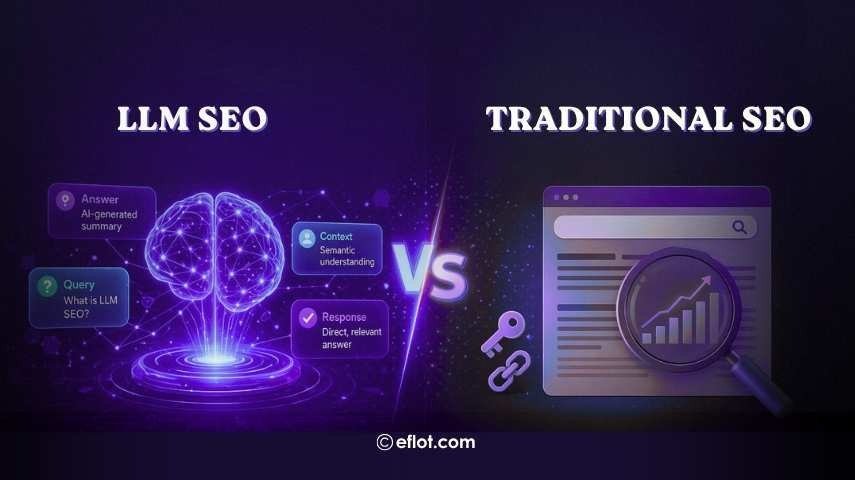







What is Content Marketing in Digital Marketing?
Content marketing is about creating and sharing valuable content online to attract people, boost sales, and enhance brand recognition.

As a digital marketing specialist, I've worked with a wide range of clients, from e-commerce startups to well established brands and one thing I've come to realize is the certain power of content marketing in digital marketing. Time and time again, businesses that embrace content marketing as a core part of their digital strategy experience significant growth, whether through increased website traffic, higher engagement on social media, or improved sales conversions.
But what exactly is content marketing in digital marketing? Simply put, it's a strategic approach that focuses on creating, distributing, and promoting valuable, relevant, and consistent content to attract and retain a clearly defined audience. Instead of interrupting potential customers with traditional ads, content marketing cultivates and educates, providing value first, building trust, and driving profitable customer action over time. The beauty of content marketing in digital marketing lies in its ability to build long term relationships and establish a brand as an authoritative voice in its industry.
What is Content Marketing in Digital Marketing?
Content marketing in digital marketing is a strategy that focuses on creating, publishing, and distributing valuable, relevant, and consistent content to attract and engage a target audience. Unlike traditional marketing techniques that push products or services directly to consumers, content marketing seeks to educate, inform, entertain, or solve problems for the audience. This approach helps build trust, establish authority, and nurture long-term relationships with customers.
In digital marketing, content can take many forms, such as blog posts, videos, podcasts, infographics, social media posts, and more. The primary goal is to provide content that is not only relevant but also aligns with the needs and interests of the audience, positioning the brand as a reliable source of information. By delivering value first, content marketing ultimately helps drive customer actions such as making a purchase, signing up for a newsletter, or sharing the content.
Elements of Content Marketing in Digital Marketing
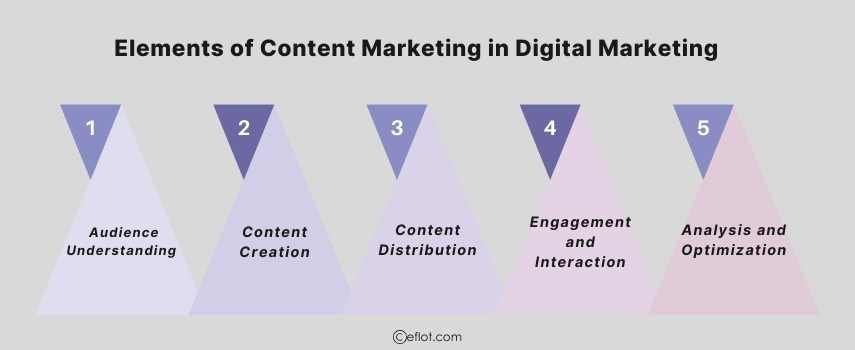
To understand why content marketing in digital marketing is such a powerful tool, it's essential to break down its core components. Successful content marketing strategies are built around several key pillars.
1. Audience Understanding
One of the most critical aspects of content marketing in digital marketing is understanding your audience. Successful content marketing isn't about pushing out generic content; it’s about crafting content that speaks directly to the needs, desires, and pain points of your target audience. This requires a deep understanding of who they are, what they’re looking for, and how they consume content. Whether it's blog posts, videos, or podcasts, content should be tailored to resonate with your audience.
2. Content Creation
Creating valuable content is the heart of content marketing in digital marketing. Content can take many forms, from written articles to videos, infographics, podcasts, and more. But regardless of the medium, it must be educational, entertaining, and relevant. The goal is to provide solutions, answer questions, or entertain while carefully aligning with the brand’s message.
The quality of content matters as much as its quantity. When done right, content marketing creates meaningful experiences that increase brand awareness, customer loyalty, and engagement.
3. Content Distribution
Creating excellent content is only half the battle. Content marketing in digital marketing also requires effective distribution. Without distribution, even the best content can go unnoticed. Whether through organic channels like social media, email newsletters, search engines, or paid advertising strategies, content must be strategically distributed to ensure it reaches the right audience at the right time.
In a digital environment, social media platforms and content-sharing sites play a massive role in how content is disseminated. SEO (Search Engine Optimization) plays a critical role in content visibility, ensuring your content ranks higher on search engines when your audience looks for related information.
4. Engagement and Interaction
Content marketing is not just about broadcasting your message, it’s also about engaging with your audience. This two way interaction can happen through comments, feedback, social media posts, or even direct communication. Content marketing in digital marketing encourages brands to establish a dialogue with their customers, building relationships that go beyond an Only transactional relationship.
Engagement creates a sense of community around your brand, fostering trust and loyalty. A brand that responds to customer queries values their feedback, and continues to deliver helpful content can turn a one-time visitor into a long-term customer.
5. Analysis and Optimization
One of the greatest advantages of content marketing in digital marketing is the ability to measure and analyze results. Unlike traditional advertising, digital content can be tracked, tested, and adjusted in real time. Metrics such as website traffic, time spent on a page, bounce rates, and social shares can provide valuable insights into how your content is performing.
By analyzing these results, digital marketers can refine content strategies and optimize future campaigns. A good content marketing strategy isn’t static, it changes based on data and audience behavior.
Measuring the Impact of Content Marketing on Digital Marketing
The beauty of content marketing in digital marketing is that results are measurable. Digital marketers can track how well their content is performing across various metrics. For instance:
-
Website traffic: How many people are visiting the website because of content?
-
Conversion rates: How many visitors are taking the desired action (signing up, making a purchase)?
-
Engagement rates: How many people are interacting with your content on social media platforms?
-
Lead generation: How many leads are being generated through content offers?
By tracking these metrics, businesses can optimize their content strategy to improve results continuously. This data driven approach to content marketing ensures that companies can stay ahead of trends and adapt to changing customer preferences.
Case Studies
Case Study 1:
Dove, the well-known personal care brand, faced the challenge of being seen as a brand that celebrated real beauty, rather than just promoting an unattainable standard of beauty. The company wanted to engage women and shift perceptions around beauty standards, offering something deeper than just product promotion.
Challenges:
Dove was operating in a saturated market, where many beauty brands focused on flawless, edited images of women that often alienated their target audience. The challenge was to create content that resonated with their customers on an emotional level while promoting self-esteem.
Solution:
Dove’s "Real Beauty" campaign was a groundbreaking content marketing strategy in the beauty industry. They created a series of videos, social media posts, and print ads featuring real women with diverse body types, skin tones, and ages. The centerpiece was a viral video campaign called "Real Beauty Sketches," which showed women describing themselves to a forensic artist, only to realize how differently others saw them. This moving content struck an emotional chord with viewers, highlighting Dove’s message of authenticity and self-love.
Results:
-
The "Real Beauty" campaign was viewed over 20 million times across various digital platforms.
-
Dove’s YouTube channel experienced a 60% increase in traffic after the campaign.
-
The content drove a 30% increase in brand trust and helped Dove boost its market share, especially among millennial women who identified with the brand’s authenticity.
Case Study 2:
Tesla
Tesla, the electric vehicle company, has built an immense following through innovative products and groundbreaking technology. However, the company faced a significant challenge in communicating its mission to a wider audience beyond early adopters and tech enthusiasts.
Challenges:
Despite having a highly disruptive product in the form of electric cars, Tesla’s challenge was twofold: educate a skeptical market about the benefits of electric vehicles (EVs) and differentiate itself from traditional car manufacturers who were also venturing into the electric car space.
Solution:
Tesla didn’t depend heavily on traditional paid advertising. Instead, they used content marketing in digital marketing by leveraging Elon Musk’s brand, storytelling, and a community-driven approach. Tesla used its website, blog, and social media channels to create content that was not only educational but also visionary. Through blog posts, videos, and social media updates, Tesla communicated its commitment to sustainability, technology, and the future of transportation.
Results:
-
Tesla’s content strategy helped the brand gain a loyal following, with over 40 million people watching their product debuts across digital platforms.
-
The company saw a 50% increase in social media mentions, with the majority of these being positive and driven by organic content.
-
Tesla’s market share in the electric vehicle segment grew significantly, and it became one of the most valuable companies in the automotive industry, all without traditional advertising.
Content marketing is not just a nice to have strategy it’s a necessity for businesses that want to grow. Content marketing in digital marketing helps brands attract, engage, and retain their audience, while simultaneously driving sales and building long-term relationships. From improving SEO to fostering trust and authority, content marketing offers endless benefits that businesses can leverage to achieve digital success. By investing in quality content creation, strategic distribution, and ongoing optimization, businesses can position themselves for long-term growth and sustained visibility in their industry.
Digital Marketing services in Other Locations in India
Bangalore | Hyderabad | Chennai | Pune | Ahmedabad | Coimbatore | Mumbai | Kolkata | Patna | Amritsar | Indore | Kozhikode | Trivandrum | Jaipur | Nagpur | Gwalior | Dehradun | Noida | Vizag | Raipur | Agra | Gurgaon | Madurai | Udaipur | Thrissur |