














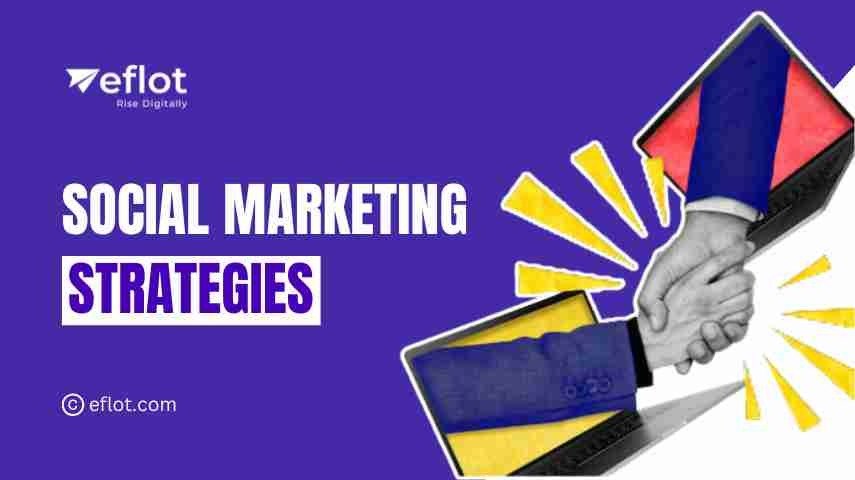
Key Features of Social Marketing Strategies for Success
Discover how to succeed with social marketing by understanding its key features and using them effectively in your campaigns.
Ever feel like you’re posting on social media but nothing really improves?
Many brands experience the same thing.
The issue isn’t how much you post, it’s the lack of clear direction.
People respond when the message feels genuine, relatable, and easy to connect with.
When your social media speaks in a human tone and stays consistent, engagement rises and your audience begins to trust your brand.
What Is Social Marketing, and Why Is It Important?
Social marketing uses social platforms to share ideas, products, or services with the right audience.
It focuses on real conversations, helpful content, and building trust, not just pushing ads.
Why It’s Important
-
People spend a huge part of their day on social platforms
-
Brands can reach audiences in real time
-
Conversations build relationships faster than traditional ads
-
Content feels personal and relatable
-
Helps audiences care about the message, not just notice it
Why Businesses Use It
-
Quick communication
-
Direct feedback from customers
-
More meaningful engagement
-
Consistent presence in their daily scroll
Key Features of Social Marketing Strategies
Successful social marketing strategies share several key features that set them apart. These elements ensure campaigns are impactful, measurable, and aligned with business objectives.
-
Audience Targeting
Understanding your audience is the cornerstone of any effective strategy. This involves identifying demographics, preferences, and behaviours to create content that resonates. -
Platform-Specific Content
Each social platform has its own unique culture and audience. Tailoring your content to fit the platform, for example, using professional content on LinkedIn versus entertaining videos on TikTok is essential. -
Engaging Visuals
Humans are visual creatures, and social platforms prioritize eye-catching images and videos. High-quality visuals increase the likelihood of engagement and shares. -
Consistency in Branding
Maintaining a consistent voice, style, and messaging across platforms builds trust and ensures that your audience recognizes your brand immediately. -
Interactive Elements
Polls, Q&A sessions, contests, and live streams are powerful tools for fostering engagement and building a sense of community.
Benefits of Social Marketing Strategies
Implementing effective social marketing strategies offers a multitude of benefits for businesses. Here’s how they can transform your brand’s online presence:
-
Increased Brand Awareness
Social media platforms provide access to billions of users worldwide. Consistent posting and engaging campaigns ensure that your brand remains visible, helping you reach new audiences and stay top of mind. -
Stronger Audience Engagement
Through interactive content like polls, quizzes, and live videos, you can foster two-way communication with your audience. This builds trust and keeps users engaged with your brand. -
Cost-Effective Advertising
Compared to traditional marketing, social media campaigns are highly cost-effective. With targeted ads, you can maximize your ROI by reaching specific demographics that align with your business goals. -
Improved Customer Insights
Social marketing allows you to analyze user behaviour, preferences, and feedback in real-time. These insights help you refine your strategies and create content that resonates with your audience. -
Higher Conversion Rates
By combining engaging content with clear calls to action (CTAs), social marketing drives traffic to your website and converts leads into customers. -
Boosted Search Engine Rankings
Social media activity, such as sharing blog posts or engaging with followers, indirectly impacts SEO by increasing visibility and driving traffic to your website.
Top 10 Social Media Marketing Strategies
To achieve social marketing success, here are 10 tried-and-tested strategies used by leading brands:
-
Storytelling Through Content
Create content that tells a compelling story, evoking emotions and encouraging users to connect with your brand on a personal level. -
User-Generated Content (UGC)
Encourage customers to share their experiences with your brand. UGC builds trust and authenticity, making your audience feel valued. -
Run Targeted Ad Campaigns
Use social media’s targeting capabilities to reach specific demographics. This ensures your ads are seen by users who are most likely to convert. -
Focus on Video Marketing
Video content, including reels, live streams, and tutorials, generates higher engagement rates than static images or text. -
Embrace Social Commerce
With platforms like Instagram Shopping and Facebook Marketplace, you can turn your social media profiles into online stores, making it easier for customers to purchase your products. -
Host Giveaways and Contests
Interactive campaigns like giveaways boost engagement, increase followers, and generate excitement around your brand. -
Stay Active on Stories
Platforms like Instagram and Facebook prioritize stories, making them a great way to share updates, behind-the-scenes content, and quick promotions. -
Watch Analytics
Use tools like Meta Insights and Google Analytics to track campaign performance and adjust your strategies for better results. -
Engage with Your Audience
Responding to comments, direct messages, and mentions builds trust and fosters loyalty. -
Experiment with New Features
Social media platforms frequently introduce new features like Instagram Reels or LinkedIn Newsletters. Early adoption can give your brand a competitive edge.
Case Studies
Case Study 1:
Zivame, a leading lingerie brand in India, successfully utilized Social Marketing Strategies to break societal taboos and create awareness about its products.
-
Challenge: Addressing the stigma around lingerie shopping in India.
-
Solution: Zivame launched social media campaigns featuring relatable content, live sessions with stylists, and customer testimonials.
-
Results: Increased brand visibility, engagement, and a 30% rise in sales during the campaign.
Case Study 2:
Paper Boat, a traditional Indian beverage brand, leveraged social marketing to connect emotionally with its audience.
-
Challenge: Competing against established beverage brands in India.
-
Solution: The brand created nostalgic content, including stories, illustrations, and engaging videos, evoking childhood memories.
-
Results: A loyal customer base and a significant boost in social media engagement and sales.
Digital Marketing services in Other Locations in India
Bangalore | Hyderabad | Chennai | Pune | Ahmedabad | Coimbatore | Mumbai | Kolkata | Patna | Amritsar | Indore | Kozhikode | Trivandrum | Jaipur | Nagpur | Gwalior | Dehradun | Noida | Vizag | Raipur | Agra | Gurgaon | Madurai | Udaipur | Thrissur |