






















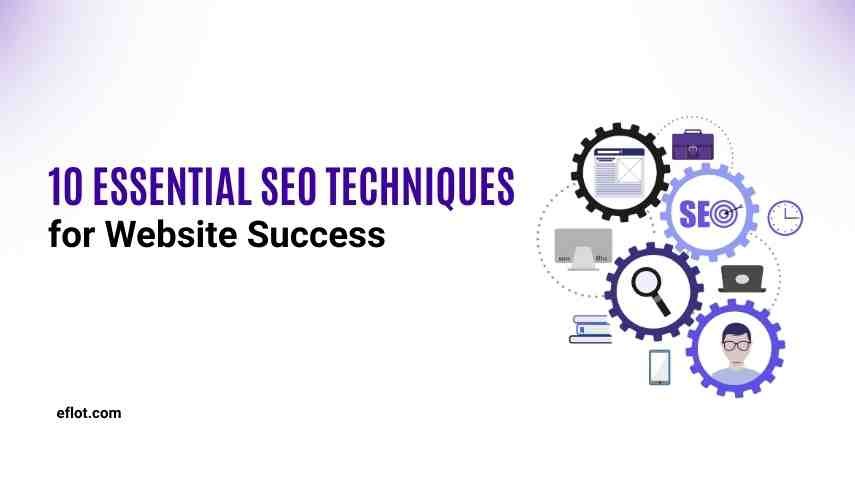
10 Essential SEO Techniques for Website Success
Discover 10 Essential SEO Techniques for Website Success to boost your online presence. Learn key strategies to improve search engine rankings and drive traffic.
As someone who has worked in digital marketing for years, I’ve seen how SEO can transform a struggling website into a growing online hub. I’ve helped clients recover from poor rankings and achieve measurable success by applying proven SEO techniques. Whether you’re a business owner or a content creator, you know how challenging it can be to stand out online. That’s where the right SEO techniques make all the difference.
In a competitive digital environment, search engines are not just tools they’re the backbone of online discovery. Implementing effective SEO techniques ensures your website not only ranks higher but also attracts the right audience. From enhancing user experience to creating valuable content, mastering these methods can boost your traffic and improve your site’s performance. Here, We’ll cover 10 essential SEO techniques that can elevate your website and set you up for success.
Understanding SEO Techniques
SEO techniques are strategies and practices designed to improve a website’s visibility and ranking on search engines like Google. These techniques are essential for ensuring your content reaches the right audience, drives organic traffic, and boosts overall online presence. Here's a closer look at the key aspects of SEO techniques:
1. On-Page SEO Techniques
On-page SEO focuses on optimizing individual web pages to rank higher and attract more relevant traffic.
-
Keyword Optimization: Using targeted keywords in content, titles, meta descriptions, and headers.
-
Content Quality: Creating high-value, engaging, and original content that addresses user queries.
-
Meta Tags and Descriptions: Writing compelling meta titles and descriptions to improve click-through rates.
-
Internal Linking: Linking to other pages on your website to enhance navigation and keep users engaged.
2. Off-Page SEO Techniques
Off-page SEO refers to actions taken outside your website to impact rankings.
-
Backlinks: Acquiring quality links from reputable websites to boost authority.
-
Social Signals: Promoting content on social media platforms to generate traffic and shares.
-
Brand Mentions: Increasing your online presence through PR strategies and collaborations.
3. Technical SEO Techniques
Technical SEO ensures search engines can crawl and index your site effectively.
-
Site Speed Optimization: Ensuring fast loading times for better user experience and ranking.
-
Mobile-Friendliness: Designing responsive websites that perform well on mobile devices.
-
Secure Protocols (HTTPS): Using SSL certificates to enhance security and trust.
-
XML Sitemaps: Submitting sitemaps to search engines for efficient crawling.
4. Local SEO Techniques
Local SEO is crucial for businesses targeting specific geographic areas.
-
Google My Business (GMB): Optimizing your GMB profile to rank in local searches.
-
Local Keywords: Using keywords specific to your city or region.
-
Customer Reviews: Encouraging positive reviews to build trust and improve rankings.
5. Content Optimization Techniques
-
Regular Updates: Keeping your content fresh and relevant to maintain rankings.
-
Visual Enhancements: Using optimized images, videos, and infographics to improve engagement.
-
Answering Search Intent: Creating content that directly answers user questions.
6. Analytical Techniques
Analyzing performance is a critical part of SEO.
-
Using Tools: Tools like Google Analytics and Search Console track metrics like traffic, bounce rates, and rankings.
-
Improving Weak Areas: Using data insights to enhance underperforming pages or keywords.
Importance of SEO in Achieving Website Success
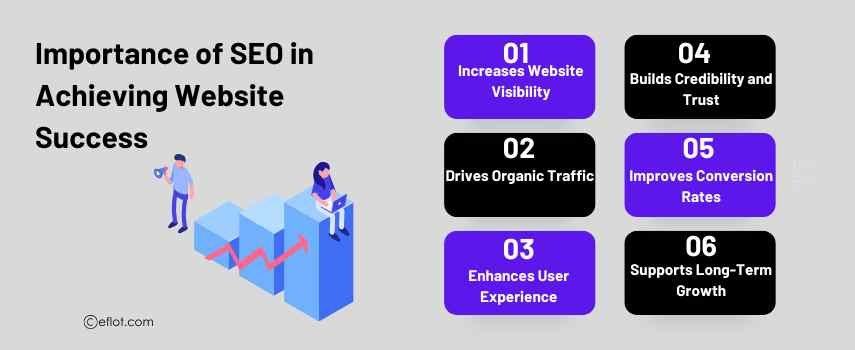
Search Engine Optimization (SEO) is the backbone of any successful online presence. It ensures that your website is visible to the right audience, at the right time, through search engines like Google. Here’s why SEO is vital for achieving website success:
-
Increases Website Visibility
With millions of websites competing for attention, SEO helps your site stand out by improving its rankings on search engine results pages (SERPs). Higher visibility means more traffic, which translates into better opportunities for engagement and conversions. -
Drives Organic Traffic
Organic search is often the primary source of website traffic. SEO focuses on optimizing content and structure to attract visitors without relying on paid ads, making it a cost-effective strategy for long-term growth. -
Enhances User Experience
SEO isn’t just about keywords; it’s also about providing a seamless experience for users. From fast-loading pages to mobile-friendly designs, SEO ensures that your site is easy to navigate and meets user expectations. -
Builds Credibility and Trust
Websites that rank higher are often perceived as more credible and trustworthy. By implementing SEO best practices, such as quality content and authoritative backlinks, your site gains credibility in the eyes of both users and search engines. -
Improves Conversion Rates
SEO targets users who are actively searching for your products or services, making them more likely to convert. With a focus on relevant keywords and valuable content, SEO ensures you’re reaching the audience most likely to take action. -
Supports Long-Term Growth
Unlike paid ads, the benefits of SEO are long-lasting. Once you establish a strong foundation, the efforts continue to yield results, making it a sustainable strategy for long-term success.
10 Essential SEO Techniques for Website Success
Mastering SEO techniques is essential for improving your website’s visibility, driving organic traffic, and ensuring long-term success. Here are ten crucial strategies to help your website grow in search engine rankings:
1. Comprehensive Keyword Research
-
Why It’s Important: Keywords are the foundation of SEO, helping you target what your audience is searching for.
-
How to Do It: Use tools like Google Keyword Planner, SEMrush, or Ahrefs to find high-volume, low-competition keywords. Incorporate long-tail keywords to capture specific user intent.
2. Optimize On-Page Elements
-
Why It’s Important: Properly optimized content helps search engines understand and rank your pages.
-
How to Do It:
-
Include keywords in title tags, meta descriptions, and header tags (H1, H2).
-
Use descriptive alt text for images.
-
Ensure URLs are clean and include relevant keywords.
3. Create High-Quality, Engaging Content
-
Why It’s Important: Content is king, and search engines prioritize content that satisfies user intent.
-
How to Do It:
-
Focus on originality, depth, and value.
-
Address common questions and provide actionable insights.
-
Update old content to maintain relevance.
4. Mobile-Friendly Website Design
-
Why It’s Important: Mobile-first indexing means Google prioritizes the mobile version of your site for ranking.
-
How to Do It:
-
Use responsive design.
-
Ensure quick loading times.
-
Test usability on various devices.
5. Improve Page Speed
-
Why It’s Important: Faster websites enhance user experience and reduce bounce rates.
-
How to Do It:
-
Compress images.
-
Enable browser caching.
-
Minimize CSS, JavaScript, and HTML.
6. Build Quality Backlinks
-
Why It’s Important: Backlinks from authoritative sites signal trust and relevance to search engines.
-
How to Do It:
-
Guest posts on reputable websites.
-
Use broken link building to replace dead links with your content.
-
Create link-worthy content like infographics or research.
7. Focus on Local SEO
-
Why It’s Important: For businesses targeting specific locations, local SEO attracts nearby customers.
-
How to Do It:
-
Optimize your Google My Business profile.
-
Include local keywords in your content.
-
Encourage reviews from satisfied customers.
8. Utilize Technical SEO
-
Why It’s Important: Search engines need to crawl and index your website efficiently.
-
How to Do It:
-
Submit an XML sitemap to search engines.
-
Ensure your site uses HTTPS for security.
-
Fix broken links and eliminate duplicate content.
9. Leverage Analytics and Metrics
-
Why It’s Important: Data-driven insights allow you to refine your strategies for better results.
-
How to Do It:
-
Use Google Analytics to track traffic, bounce rates, and conversions.
-
Identify top-performing pages and replicate their success.
-
Monitor keyword rankings with tools like SEMrush.
10. Stay Updated with Algorithm Changes
-
Why It’s Important: Google frequently updates its algorithms, which can affect your rankings.
-
How to Do It:
-
Follow reputable SEO blogs like Moz and Search Engine Journal.
-
Adjust your strategy to align with the latest updates.
-
Focus on user experience and quality content to stay resilient.
Case Studies
Case Study1:
GreenGro Wellness, a sustainable lifestyle brand offering eco-friendly products, struggled to attract organic traffic to its website. With growing competition in the eco-conscious market, they needed a robust SEO strategy to stand out and drive sales.
Challenges:
-
Poor keyword strategy that failed to align with audience search intent.
-
Lack of optimized content for product pages and blogs.
-
Low domain authority due to minimal backlinks.
Solutions:
GreenGro Wellness partnered with an SEO agency to implement essential SEO techniques. They conducted in-depth keyword research to target terms like "sustainable lifestyle products" and "eco-friendly home essentials." On-page optimization included rewriting product descriptions and blog content with relevant keywords. Additionally, the team focused on building backlinks through collaborations with green-living bloggers and eco-friendly communities. Technical SEO improvements such as enhancing site speed and creating a mobile-friendly design were also implemented.
Case Study2:
UrbanTech Solutions, a Bengaluru-based IT startup, aimed to capture local clients but faced challenges with visibility on search engines. Their website wasn’t optimized for local search terms, and their Google My Business profile was underutilized.
Challenges:
-
Minimal presence in local search results.
-
Limited content targeting location-specific queries.
-
Poor technical SEO, including slow page speeds and 404 errors.
Solutions:
The company implemented key SEO techniques, starting with optimizing their Google My Business profile by adding detailed descriptions, accurate NAP (Name, Address, Phone Number) information, and positive client reviews. They developed location-specific content, including blog posts like "Top IT Solutions for Startups in Bengaluru." Technical SEO fixes, such as resolving 404 errors and optimizing page load times, improved the website’s overall health. Local backlinks were secured through partnerships with Bengaluru-based tech blogs and community sites.
SEO is not a one-time effort but an ongoing process. By implementing these 10 essential SEO techniques, you can build a strong foundation for your website’s growth. Whether you’re looking to drive traffic, improve user experience, or boost conversions, these strategies will help you achieve your goals. If you’re just starting or need expert guidance, partnering with an experienced digital marketing agency can make all the difference. Begin optimizing your website and set yourself up for success in the ever-competitive digital Environment.
Digital Marketing services in Other Locations in India
Bangalore | Hyderabad | Chennai | Pune | Ahmedabad | Coimbatore | Mumbai | Kolkata | Patna | Amritsar | Indore | Kozhikode | Trivandrum | Jaipur | Nagpur | Gwalior | Dehradun | Noida | Vizag | Raipur | Agra | Gurgaon | Madurai | Udaipur | Thrissur |